Backlink impact analysis is the process of evaluating how the links pointing to your website affect your search engine rankings, authority, and organic traffic. Here's what you need to know:
Identify quality vs. toxic links - Determine which backlinks help your rankings and which could harm them
Benchmark against competitors - Understand how your link profile compares to sites outranking you
Find link-building opportunities - Find gaps in your profile and new sources for high-quality backlinks
Monitor profile health - Track new and lost links, anchor text distribution, and overall link velocity
Protect against penalties - Detect manipulative or spammy links before they trigger manual actions
Backlinks remain one of the most powerful drivers of organic traffic and domain authority. In fact, research shows that the first ranking page on Google has an average of 3.8x more backlinks than pages two to ten. These inbound links act as votes of confidence from other websites, signaling to search engines that your content is valuable and trustworthy.
But not all backlinks are created equal. A single high-quality link from a relevant, authoritative site can have more impact than hundreds of low-quality directory links. Some links can even harm your rankings if they come from spammy sources or violate Google's guidelines. That's why systematic backlink analysis is crucial for any SEO strategy.
For agency owners managing multiple client accounts, manual backlink analysis can be overwhelming. The sheer volume of data—from referring domains and anchor text to toxicity scores and competitor gaps—makes it difficult to scale your operations while maintaining quality. You need to quickly identify which links drive real results, which pose risks, and where the best opportunities lie for each client.
This is where a structured approach to backlink impact analysis becomes invaluable. Rather than drowning in spreadsheets or spending hours in multiple tools, you need a clear framework to audit your current profile, benchmark against competitors, identify toxic links, and find new link-building opportunities.
I'm Hansjan Kamerling, and I've worked with SaaS platforms and AI startups to build data-driven growth strategies, including comprehensive backlink impact analysis for scaling SEO operations. Throughout my career working with platforms serving millions of users, I've seen how systematic backlink analysis transforms SEO performance and helps agencies deliver consistent results.
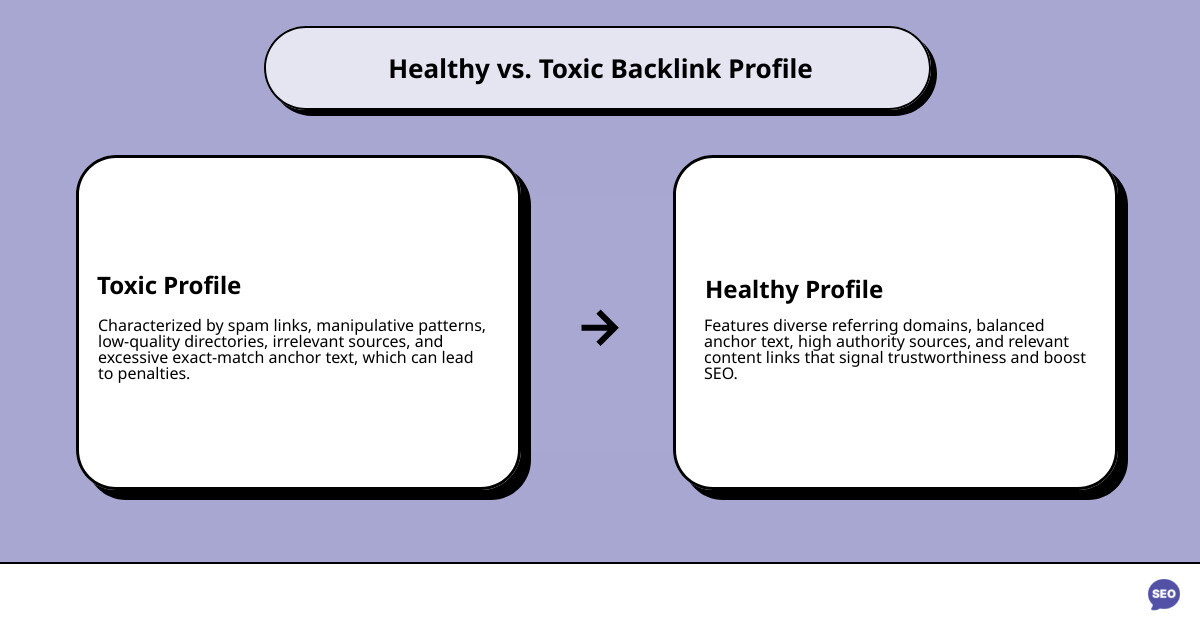
infographic showing healthy backlink profile with diverse referring domains, balanced anchor text, and high authority sources versus toxic profile with spam links, manipulative patterns, and low-quality directories - backlink impact analysis infographic cause_effect_text
What is Backlink Impact Analysis?
At its core, backlink impact analysis is like giving your website's external link profile a full medical check-up. It's the process of thoroughly examining all the links pointing to your website to understand their quality, quantity, relevance, and ultimately, how they influence your search engine rankings and overall SEO performance. My goal when performing this analysis is to identify what's working well, what needs improvement, and what might be actively hurting a site.
This evaluation goes beyond just counting links. I dive deep into the characteristics of each link to determine its real value. Does it come from a reputable source? Is it relevant to the content it links to? Is the anchor text natural? By answering these questions, I can accurately assess the current state of a website's backlink profile, uncover potential risks, and pinpoint valuable opportunities for growth. It's about making data-driven decisions to improve a site's digital presence.
How Google Uses Backlinks
Search engines like Google view backlinks as "votes of confidence." Think of it this way: if many respected websites link to yours, Google interprets this as a strong signal that your content is authoritative, trustworthy, and valuable. This concept is rooted in Google's original PageRank algorithm, which essentially measured the importance of web pages based on the quantity and quality of links pointing to them.
Today, Google's algorithms are far more sophisticated, but the fundamental principle remains. Backlinks are a critical factor in determining a website's authority and rankings, directly impacting its E-E-A-T (Experience, Expertise, Authoritativeness, and Trustworthiness) signals. Google's systems are constantly evaluating the context, relevance, and quality of these links to ensure they accurately reflect genuine endorsements rather than manipulative tactics.
Google is smart. Their algorithms and manual actions aim to nullify unnatural links at scale. This means that links created purely to manipulate rankings are often devalued or ignored. My job is to ensure that the links pointing to a site are seen as legitimate votes, not attempts at manipulation.
Key Metrics & Tools for a Thorough Backlink Impact Analysis
To truly understand the impact of backlinks, I rely on specific data points and powerful tools. Without these, you're essentially flying blind in the vast world of SEO. Making data-driven decisions here is paramount.
Core Metrics to Evaluate
When I'm digging into a backlink profile, these are the metrics I pay closest attention to:
Domain Authority (DA) / Domain Rating (DR): These are proprietary metrics (Moz and Ahrefs, respectively) that predict how well a website will rank on search engines. They give me a quick understanding of the linking domain's overall strength.
Referring Domains vs. Total Backlinks: This is crucial. While total backlinks might seem impressive, a high number of unique referring domains is generally a much stronger indicator of a healthy, diverse, and valuable backlink profile. It shows that your content is valuable enough to be cited by a wide range of sources.
Authority Score (AS): Tools like Semrush use this metric to quantify a website's overall authority. A backlink from a high-AS site can significantly boost your website's authority. However, I always remember that relevance trumps pure authority. A backlink from a high-AS but unrelated site might not contribute as much to your SEO efforts as a link from a moderately-rated but highly relevant site.
Trust Flow & Citation Flow: Majestic's metrics, Trust Flow measures the quality of a backlink profile based on the quality of sites linking to it, while Citation Flow measures the quantity of links. I look for a good balance, with Trust Flow being ideally higher than Citation Flow.
Anchor Text Distribution: This refers to the visible, clickable text in a hyperlink. I analyze the variety and relevance of anchor texts to ensure they look natural and avoid over-optimization, which can signal manipulation.
Follow vs. Nofollow Ratio: This tells me whether a link passes "link juice" (ranking power). While "follow" links are generally preferred for SEO, a healthy profile includes a natural mix. I typically aim for a ratio of around 60% Follow to 40% Nofollow links to appear organic.
Link Relevance: Perhaps the most important metric. Is the linking website and the specific page relevant to your content? A relevant link sends strong topical signals to Google, enhancing your authority in that niche.
Essential Backlink Analysis Tools
Performing a thorough backlink analysis requires robust tools that can crawl the web and present vast amounts of data in an understandable way. Here are some of my go-to resources:
Semrush: My top pick for backlink analysis. Semrush provides comprehensive data on backlinks, referring domains, and authority scores. Its Backlink Audit tool is excellent for identifying toxic links, and the Network Graph helps visualize link relationships. Semrush boasts a quality backlink database of trillions of links.
Ahrefs: Another industry leader, Ahrefs offers an extensive link database and powerful features for competitive analysis, content research, and identifying link-building opportunities.
Majestic: Majestic stands out with its unique Trust Flow and Citation Flow metrics, as well as Topical Trust Flow, which helps understand the thematic relevance of linking domains. The Majestic API empowers agencies, SEO specialists, and consultancies to build time-saving bespoke apps, allowing for deep integration and custom analysis. You can even find their connectors on Github.
Google Search Console: This is a free and essential tool provided by Google. It gives me direct access to how Google views a website's backlinks, including a sample of linking sites and any manual actions. While it shows a limited sample, it's invaluable for understanding Google's perspective.
Moz Link Explorer: Offers Domain Authority, Link Profile Distribution, and Spam Score to evaluate the quality of inbound links.
These tools, collectively, form the backbone of any serious backlink impact analysis, allowing me to gather the necessary data to make informed decisions.
A Step-by-Step Guide to Performing a Backlink Analysis
Now that we understand the "what" and "why," let's dive into the "how." Performing a backlink analysis is a systematic process, and I approach it with a clear, actionable workflow.
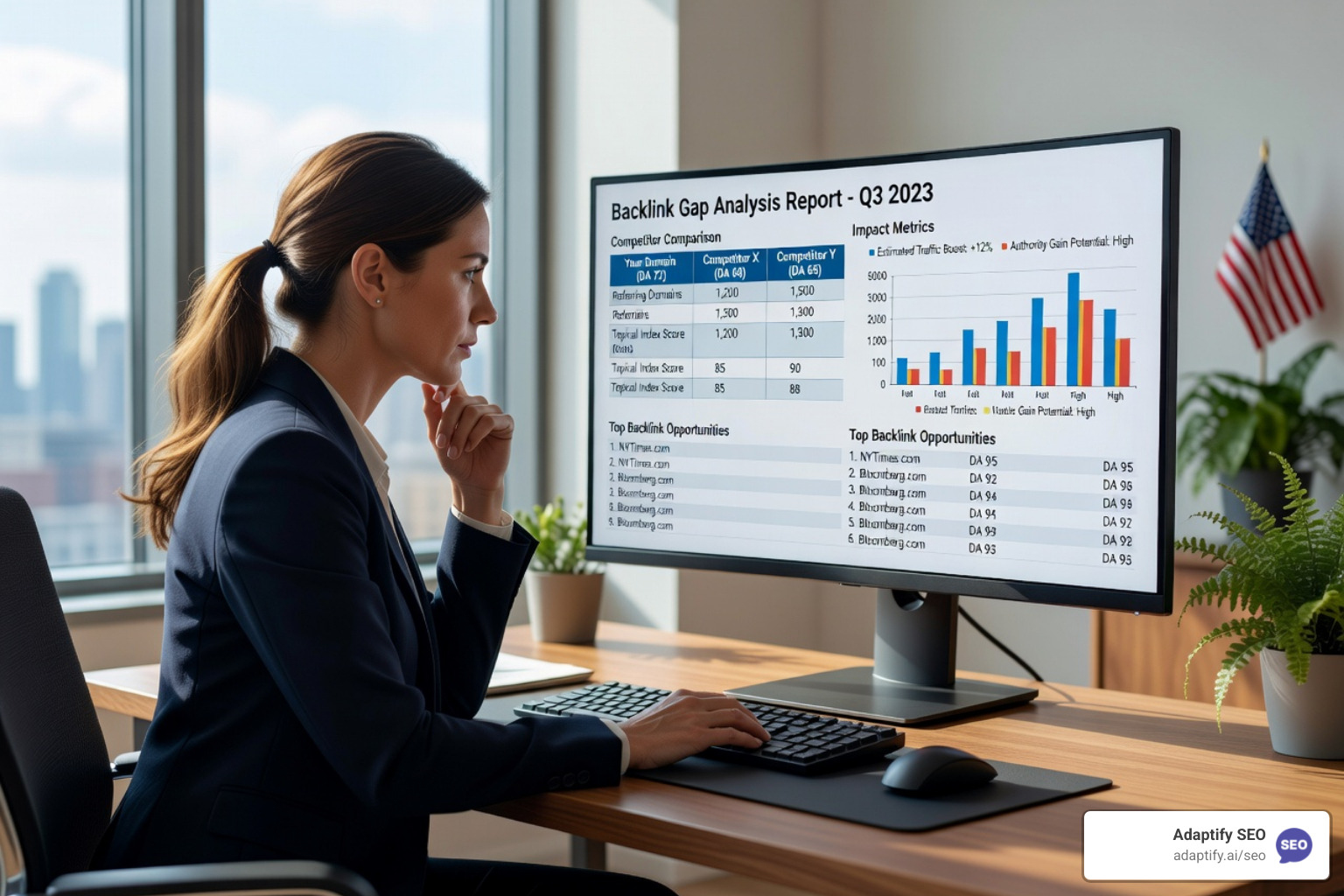
competitor backlink gap analysis report - backlink impact analysis
Step 1: Audit Your Own Backlink Profile
The first step is always to understand your starting point. I begin by comprehensively gathering all available data on a website's existing backlinks.
Gathering Your Data: I start by pulling backlink data from multiple sources. Google Search Console provides a sample of your backlinks and is crucial for checking any manual actions. However, Google Search Console shows a limited sample of your backlinks, which makes this process time-consuming and incomplete for a full picture. For a more exhaustive view, I turn to third-party tools like Semrush's Backlink Analytics or Ahrefs. These tools have massive databases and can uncover a far greater number of links.
Establishing a Baseline: Once I have the data, I look at the overall numbers: total backlinks, unique referring domains, and the historical growth trend. This establishes a baseline of your current backlink profile's health and helps me identify any unusual spikes or drops.
Step 2: Perform a Competitor Backlink Impact Analysis
Understanding your own profile is good, but truly gaining a competitive edge means understanding your rivals. This is where competitive intelligence comes into play.
Identifying Top Competitors: If you're unsure who your top competitors are, a quick trick is to type your primary target keywords into a search engine and research the sites that consistently rank for them. Tools like Semrush also provide a list of competitors based on common keywords.
Analyzing Competitor Link Profiles: I plug their domains into my chosen backlink analysis tool (like Semrush or Ahrefs) and scrutinize their metrics. I look at their Domain Rating/Authority Score, the number of referring domains, and their growth patterns.
Finding the "Link Gap": This is a critical part of backlink impact analysis. I use features like Semrush's Backlink Gap tool to identify domains that link to your competitors but not to you. These are often prime opportunities for link building.
Uncovering Their Link-Building Strategies: By observing the types of links your competitors acquire (e.g., guest posts, directory listings, press mentions) and the anchor text they use, I can deduce their successful link-building strategies and adapt them for my clients. For more insights into how content plays a role, I often refer to strategies on content.
Step 3: Identify New Link-Building Opportunities
With a solid understanding of your own and your competitors' backlink profiles, it's time to go hunting for new, high-quality links.
Replicating Competitor Links: The "link gap" analysis from Step 2 directly feeds into this. I identify the best links your competitors have and then strategize how to earn similar links for your site. This might involve creating better content, offering unique value, or direct outreach.
Broken Link Building: This is a classic but effective tactic. I look for broken links on authoritative websites. If a page they're linking to no longer exists, I contact the webmaster, inform them of the broken link, and suggest replacing it with a link to relevant, high-quality content on my client's site.
Unlinked Brand Mentions: Sometimes, people mention your brand or product online without linking to your website. I track these mentions and reach out to the authors, politely asking them to convert the mention into a clickable link.
Finding High-Authority Resource Pages: Many authoritative websites compile lists of valuable resources. If your content fits the bill, I reach out to these webmasters to suggest including your site as a relevant resource.
Identifying and Managing Toxic Backlinks
Just as important as building good links is identifying and neutralizing bad ones. Toxic backlinks can seriously harm a website's SEO performance, potentially leading to ranking drops or even Google manual actions.
What Constitutes a 'Toxic' Backlink?
Toxic backlinks are essentially incoming links that violate Google’s link spam guidelines. They are typically created to manipulate search rankings rather than provide genuine value to users. Google's spam policies on manipulative links are clear: "Links obtained primarily for artificial manipulation of Search rankings are link spam."
Here are some common sources of these problematic links:
Link Schemes: Any attempt to manipulate PageRank or a site's ranking in Google's search results through links. This can include excessive link exchanges ("link to me and I'll link to you") or large-scale article marketing with keyword-rich anchor text.
Private Blog Networks (PBNs): These are networks of websites created solely for the purpose of building links to another site. Links from Private Blog Networks (PBNs) carry a high risk of being ignored or treated as link spam by Google.
Paid Links Without Proper Attributes: If you pay for a link, Google expects it to be qualified with a nofollow or sponsored attribute. If it's not, it's considered manipulative.
Hacked Sites: Links from legitimate, high-authority websites that have been compromised by hackers. These often contain hidden footer links or injected spam pages that point to your site without your knowledge.
Expired Domain Redirects: If you acquire a domain that was previously used in schemes like PBNs, its toxic backlink history can be inherited through redirects, potentially impacting your site.
Low-Quality Directories: Listing your business on directories that offer little value to users and exist purely for link building can produce toxic backlinks.
Link Building Bots & Unnatural Links: Links generated by automated programs or placed on irrelevant forums, comment sections, or social media solely for SEO purposes are generally considered spam.
Mandating Backlinks Through Contracts: Requiring a backlink as part of a contract, terms of service, or similar agreement—without allowing the publisher to qualify the link—is considered link spam.
These types of links can weaken trust signals, and when they appear at scale, they can trigger a manual action penalty from Google, meaning some or all of your pages might not appear in search results.
How to Find and Handle Toxic Links
My approach to finding and handling toxic links is meticulous, as missteps here can be costly.
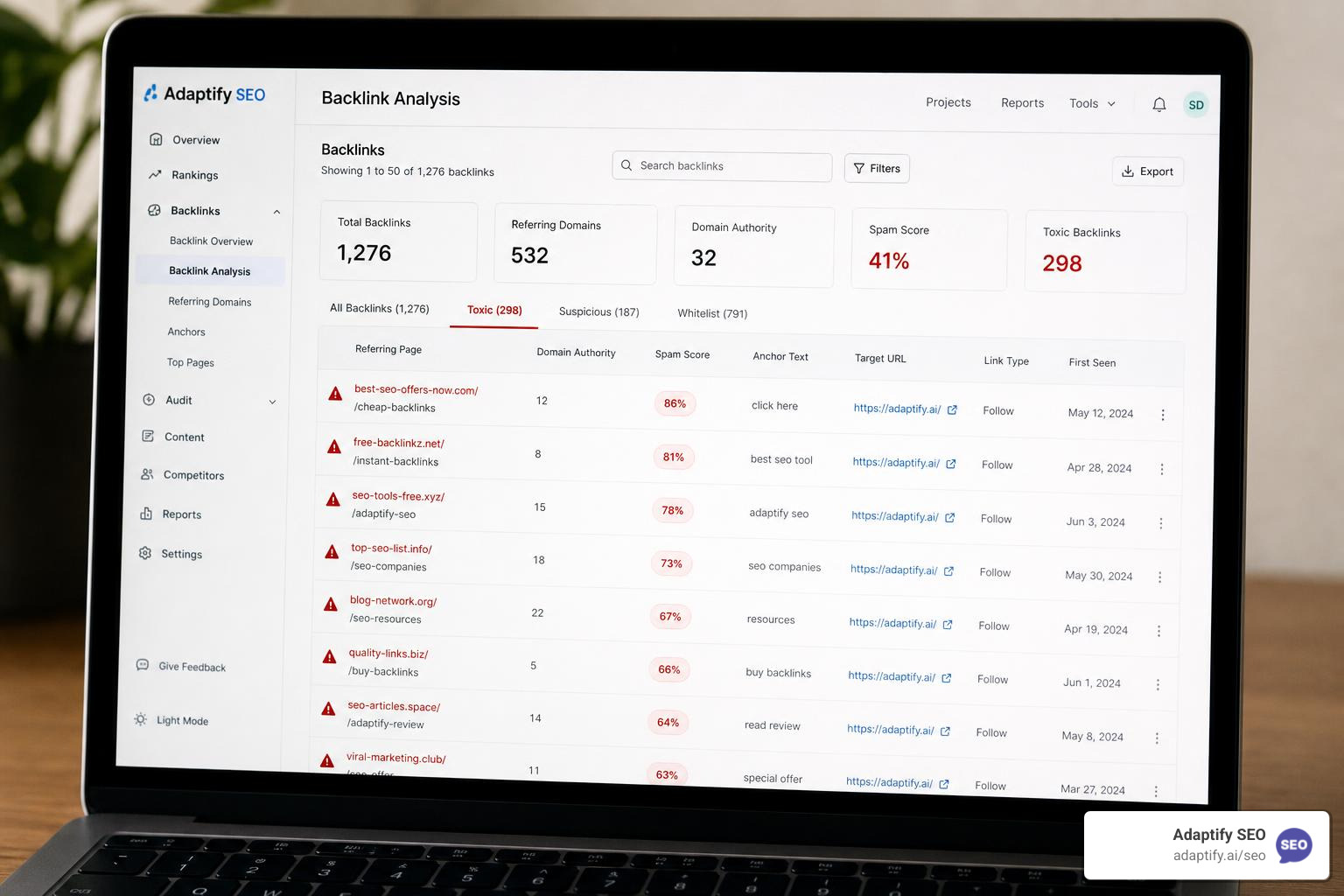
Using a Backlink Audit Tool: I begin by running a comprehensive audit using a tool like Semrush's Backlink Audit. These tools analyze your entire backlink profile and assign a "Toxicity Score" to each link, helping me quickly surface potentially risky backlinks. The Toxicity Score typically ranges from 0 to 100, where a higher score indicates lower link quality.
Manual Review Process: While tools are great for flagging potential issues, no tool can determine toxicity with complete certainty; human review is required to interpret intent and context accurately. Google recommends prioritizing manual review of backlinks starting with domains that link most frequently or focusing on recently created links. I manually examine flagged links for relevance, anchor text, and overall quality.
Requesting Link Removals: My preferred first step for any toxic backlink is to request its removal from the referring site. I reach out to the webmaster, explain the situation, and ask them to either remove the link or add a nofollow or sponsored attribute.
Using the Google Disavow Tool: If I'm unable to get a link removed, or if I'm facing a Google manual action penalty due to unnatural links, I then consider using Google's Disavow Tool. This tool tells Google to ignore specific links when evaluating your site. However, it's a powerful tool that should be used with extreme caution. Disavow files can sometimes do more harm than good when they're used unnecessarily or too broadly. Most toxic backlinks don’t require action, because Google often ignores low-quality links without affecting your rankings. I only use the disavow tool when I have a manual action or clear evidence of past manipulative link building.
Building and Maintaining a Healthy Backlink Profile
Building a strong, healthy backlink profile is not a one-time task; it's an ongoing, long-term strategy that prioritizes quality over quantity and emphasizes diversification.
Strategies for Building High-Quality Links
My strategy focuses on earning links that genuinely contribute to a website's authority and relevance:
Guest Posting on Relevant Sites: I identify authoritative websites in the same niche as my client and offer to write high-quality, valuable content for their audience. This allows me to earn a relevant backlink within the content.
Digital PR and Outreach: This involves creating compelling content (e.g., unique research, infographics, expert guides) that naturally attracts links. I then proactively reach out to journalists, bloggers, and influencers who might find the content valuable and link to it.
Creating Link-Worthy Content: The best way to earn links is to have content that people want to link to. I work with clients to develop evergreen resources, in-depth studies, or innovative tools that become go-to references in their industry. This also directly contributes to improving content strategy and website authority.
Building Relationships: Networking with other webmasters, industry experts, and content creators can naturally lead to legitimate link opportunities. When you provide value, links often follow.
The Importance of Anchor Text and Link Attributes
Managing anchor text and understanding link attributes is crucial for maintaining a natural and effective backlink profile.
Managing Anchor Text Distribution: Anchor text serves as a guide for both users and search engines, indicating the relevance of linked content. A balanced mix of various anchor text types is essential. I aim for a diverse distribution that includes:
Partial Match: Anchor text that includes a keyword but isn't an exact match (e.g., "our SEO services")
Exact Match: Anchor text that is a precise target keyword (used sparingly to avoid over-optimization).
The Role of Follow vs. Nofollow Links: "Follow" links pass PageRank and contribute to SEO. "Nofollow" links generally do not, but they can still drive referral traffic and contribute to a natural-looking link profile. As I mentioned, I aim for a ratio of around 60% Follow to 40% Nofollow links.
Using rel="sponsored" and rel="ugc":Google recommends qualifying user-generated content (UGC) links with the rel="ugc" attribute. Similarly, rel="sponsored" should be used for advertisements or paid placements. These attributes help Google understand the nature of the link and prevent manipulative practices.
Monitoring Your Profile and the Role of AI
A healthy backlink profile is not static; it requires continuous monitoring and maintenance.
Setting Up Alerts for New and Lost Links: I configure tools to alert me to new backlinks (both good and potentially bad) and lost links. This allows me to quickly react, whether it's pursuing a new opportunity or investigating a lost high-value link.
Tracking Link Velocity: I monitor the rate at which new links are acquired. Unnatural spikes can sometimes signal manipulative practices (either by you or a negative SEO attack) and warrant investigation.
The Evolving Role of AI in Backlink Analysis: AI is rapidly changing how we approach SEO. AI-powered search experiences often surface answers by evaluating authority, trust signals, and source credibility at a broader level than traditional rankings. This means that while Google’s algorithms may ignore many low-quality backlinks for ranking purposes, large or persistent patterns of manipulative links can still affect how trustworthy a site appears to AI systems. AI tools can now automate much of the analysis, identifying patterns, suggesting opportunities, and flagging risks much faster than I could manually.
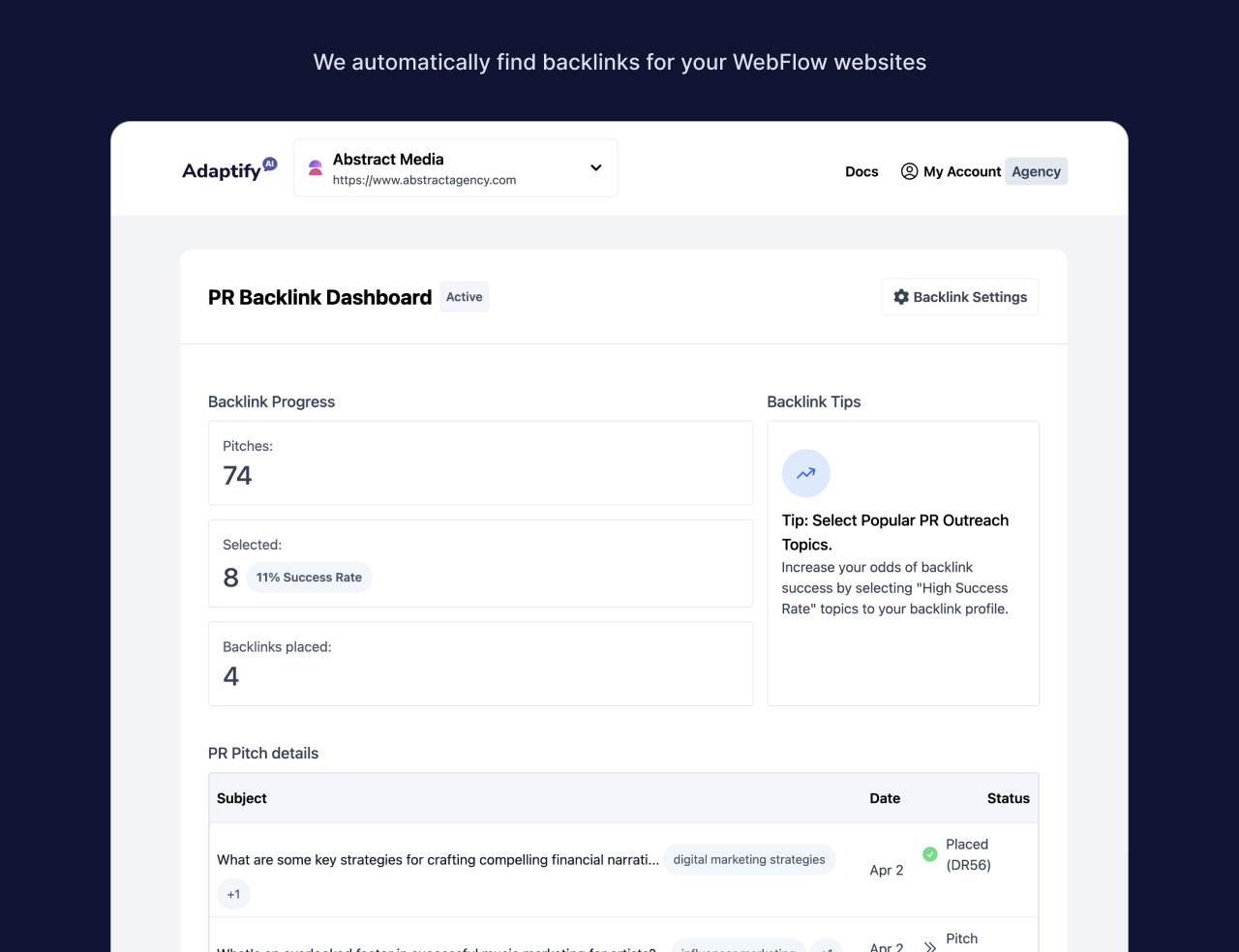
Automating Monitoring Tasks: For agencies, this is a game-changer. Automated platforms can continuously monitor backlink profiles, alert you to issues, and even suggest link-building prospects, freeing up valuable time for strategic planning and execution.
Frequently Asked Questions about Backlink Impact Analysis
How often should I perform a backlink analysis?
The frequency depends on your website's activity and goals. For established sites with a stable backlink profile, I recommend a full analysis quarterly. However, for sites actively engaged in link-building campaigns or those recovering from a penalty, a monthly review is more appropriate. Continuous monitoring for new and lost links should ideally happen weekly or even daily via automated tools.
Can a single bad backlink hurt my rankings?
Generally, no. Google's systems are quite sophisticated. Most toxic backlinks don’t require action, because Google often ignores low-quality links without affecting your rankings. However, if a single link is part of a larger pattern of manipulative link building, or if it's exceptionally egregious and leads to a manual action, then yes, it could. My focus is always on identifying patterns and preventing widespread issues.
What is a good number of backlinks to have?
There's no magic number, as quality always trumps quantity. A single high-quality, relevant backlink from an authoritative domain can be more valuable than hundreds of low-quality, irrelevant ones. However, research does show that sites with more backlinks tend to rank higher; for example, the first ranking page on Google has an average of 3.8x more backlinks than pages two to ten. So, while I don't chase numbers, I do strive for a diverse and growing profile of high-quality referring domains.
Conclusion: Turn Analysis into Action and Authority
Backlink impact analysis is more than just a technical exercise; it's a strategic imperative for any website aiming to succeed in today's competitive search landscape. From understanding how Google weighs your links to identifying toxic threats and uncovering golden opportunities, this comprehensive guide provides the framework I use to optimize backlink profiles for maximum SEO impact.
Backlink analysis is an ongoing process. The digital landscape is constantly evolving, and your backlink profile needs continuous attention, refinement, and strategic growth. By consistently performing these analyses, you transform raw data into actionable insights, ultimately building greater website authority and driving sustainable organic traffic.
For agencies looking to streamline this complex process and deliver consistent, high-impact results for their clients, platforms like Adaptify.ai offer automated solutions. My experience shows that leveraging AI can significantly reduce manual effort in strategy formulation, content creation, and PR link building, allowing agencies to scale their operations efficiently.
Ready to take control of your backlink profile and lift your SEO strategy? Get a complete overview of your backlink profile with Adaptify.ai's automated insights.
Join 1,000+ agencies already delivering SEO and AI visibility from a single platform without increasing their headcount.Join 1,000+ agencies already delivering SEO and AI visibility from a single platform without increasing their headcount.