Adaptify Finds What Changed While Everyone Was Offline


Hello there,
The first newsletter of the year always feels a little like turning the lights back on.
There is inbox dust to be shaken off, dashboards to reopen, and everyone quietly checking to see what shifted while we were half-offline in December. January is usually when patterns start to become clearer, and this year, as 2026 opens, those patterns are already pointing in a familiar direction…
This week’s stories all circle the same idea from different angles: Google and AI systems are getting much better at understanding what people actually mean, not just what they type.
🔎 Need help finding wins for your client's SEO? Start a 7-day free trial, or book a demo to discover how easy it is to wow your clients and close more deals—faster! Get started today! 🔎
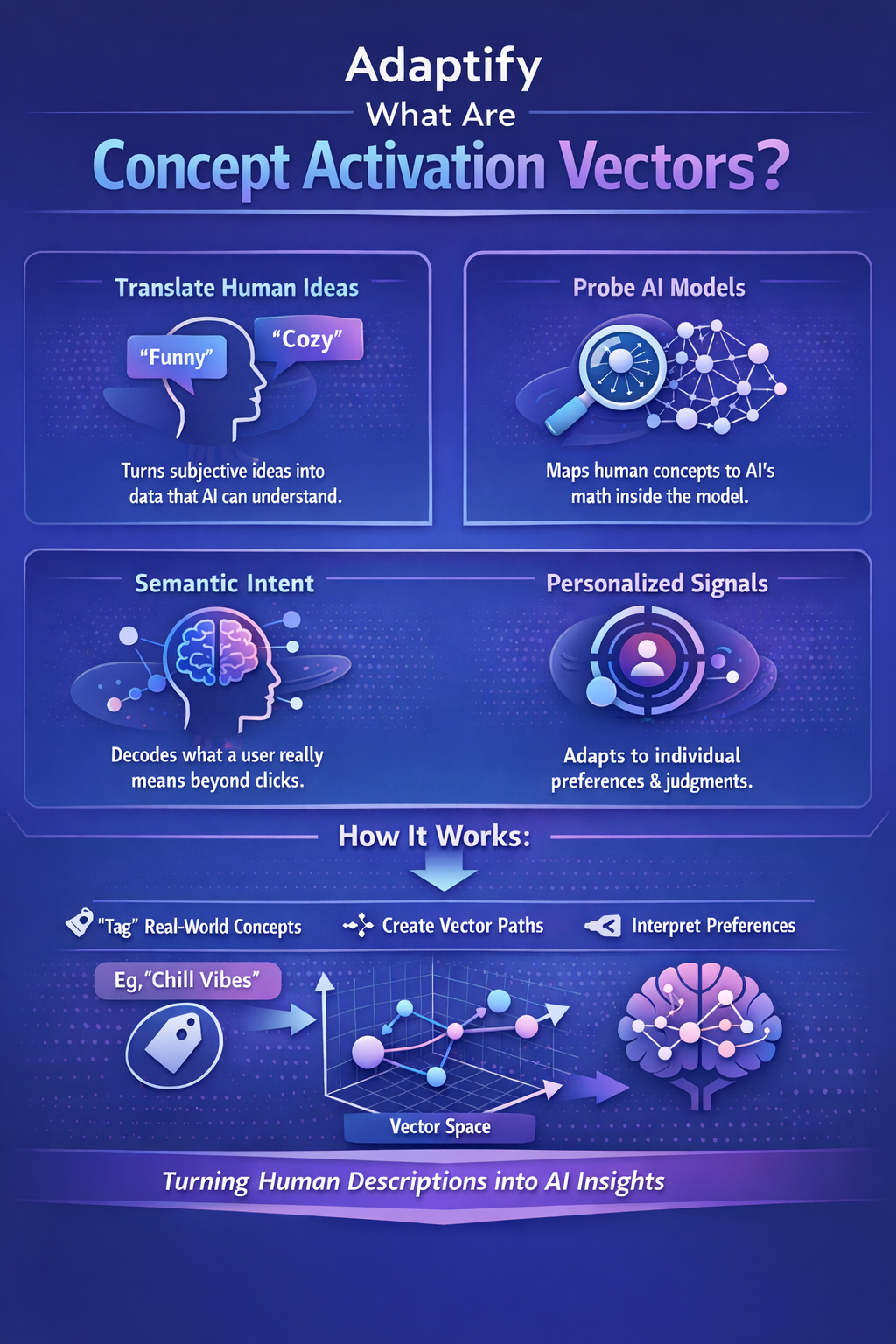
Google’s Recommender Systems Are Learning “What You Meant,” Not Just What You Clicked Google quietly published new research on how its recommender systems interpret semantic intent, especially for subjective ideas like “funny,” “cozy,” or “boring.” The write-up was covered in detail by Search Engine Journal, but the short version is this: clicks and watch time are no longer enough.
Recommender systems like Discover and YouTube historically relied on what the researchers call “primitive feedback.” What you clicked, watched, or skipped. The new approach uses Concept Activation Vectors to translate vague, human descriptions into something machines can understand, without retraining the entire system.
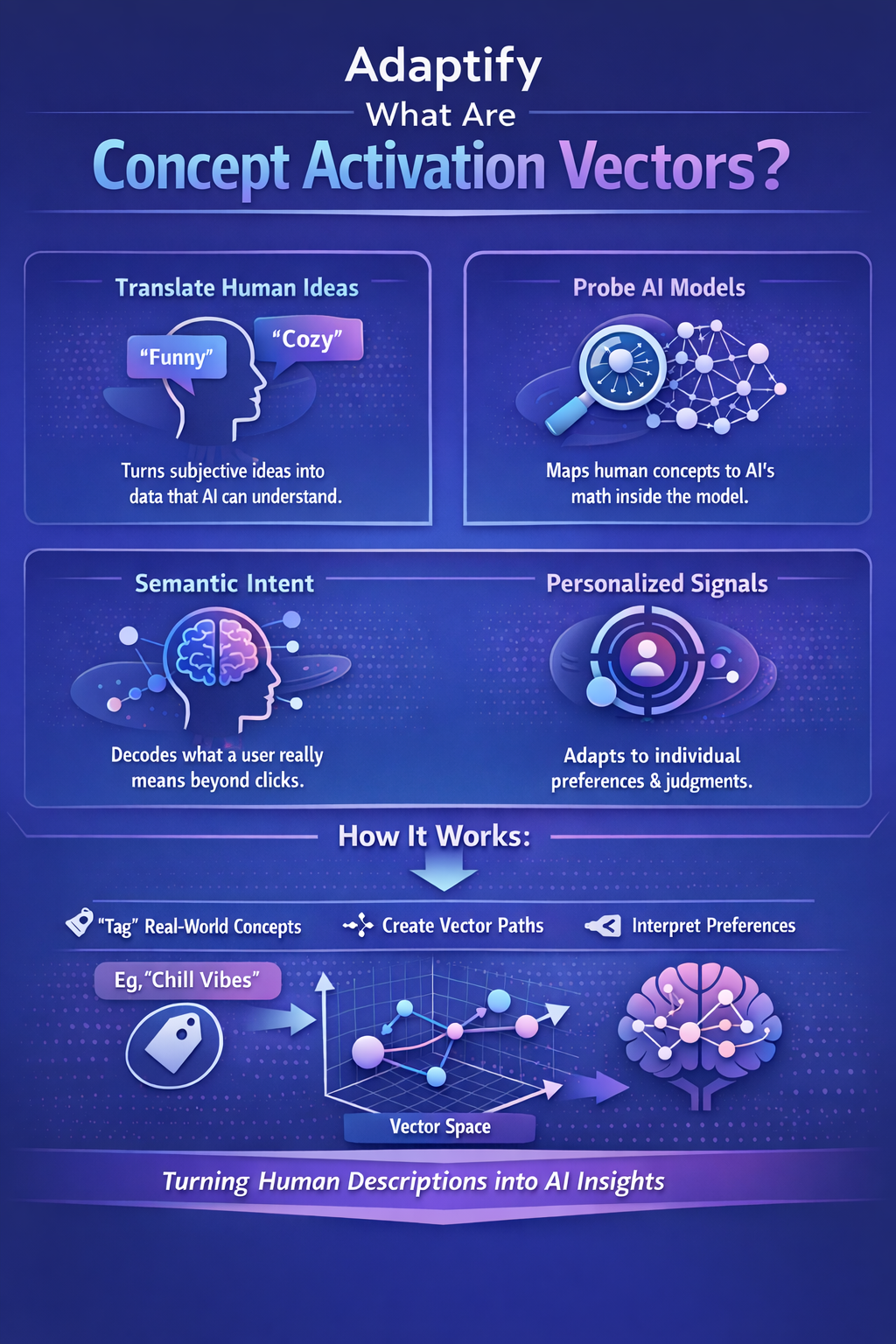
That matters because Discover, News, and recommendation surfaces sit closer to search than most people realize. If Google can better interpret soft intent at an individual level, content that matches how something feels, not just what it is, becomes easier to surface.
For agencies, this reinforces why surface-level optimization is losing steam. When content is written with clear intent, consistent themes, and a defined audience, it gives systems more to work with.
This is exactly where Adaptify’s topic clustering and persona-driven content help quietly do their job. By structuring content around intent and relevance rather than isolated keywords, you’re already feeding these systems signals they can actually interpret. Keep an eye out for an update later this quarter that will make these concepts and tags even easier to visualize and choose with custom category pickers, tagging, and multiple author persona updates.
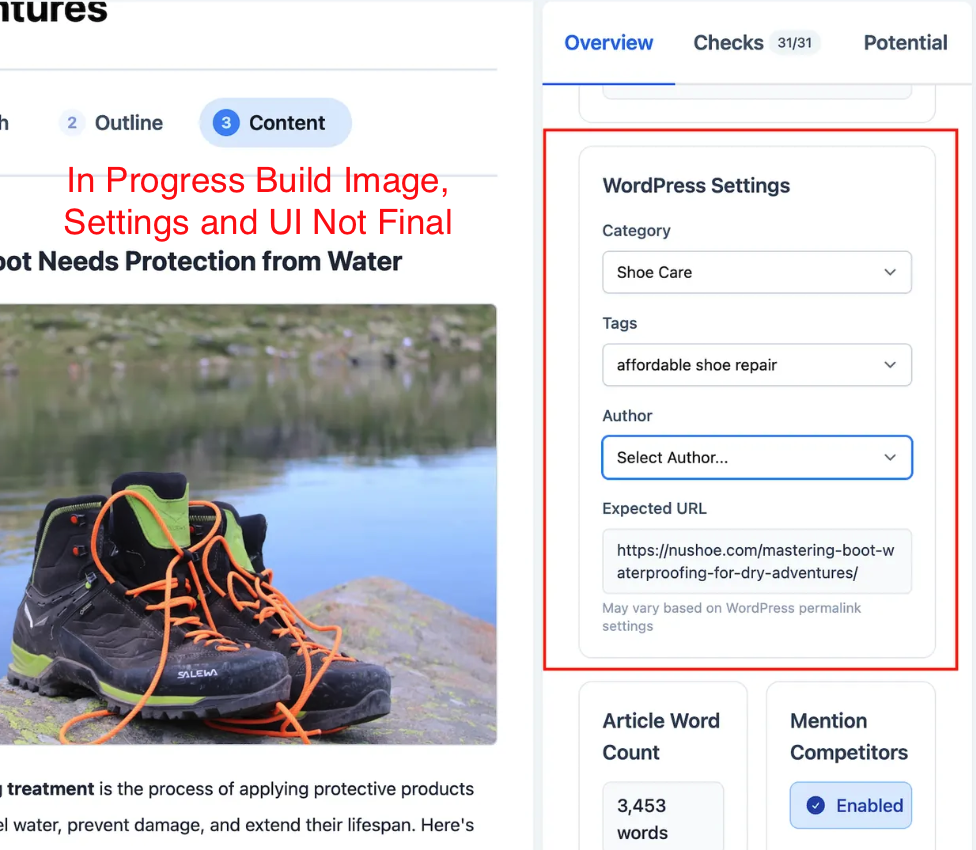
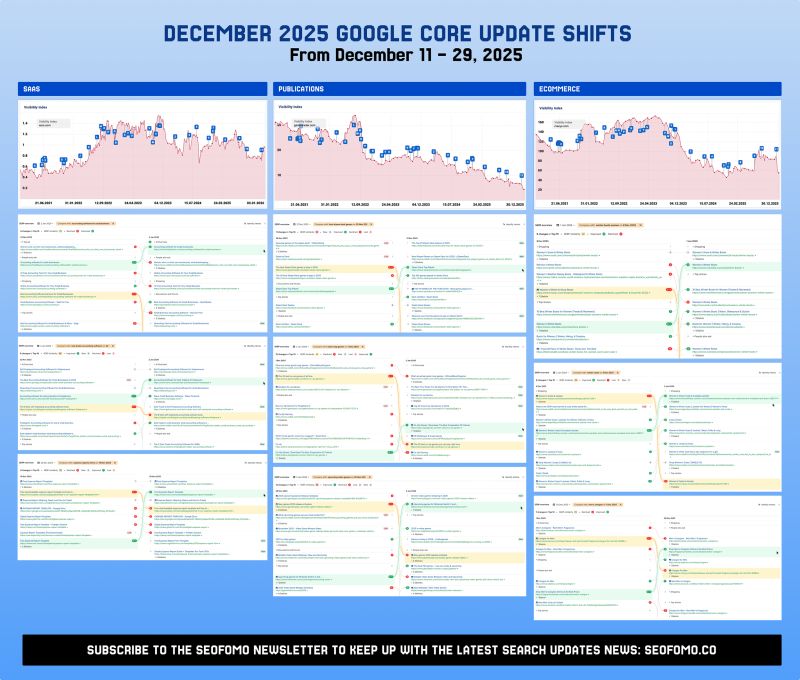
*Image from Aleyda Solis's Post. Read the whole thing here.
“Best of” queries shifted toward brands with direct authority. Mid-funnel product terms favored specialists over massive retailers. Even SaaS searches leaned toward platforms with dedicated landing pages instead of catch-all comparisons.
What’s especially notable is how much volatility news publishers saw across Search, Discover, and Google News. Discover traffic, in particular, proved fragile when specialization signals weren’t strong enough.
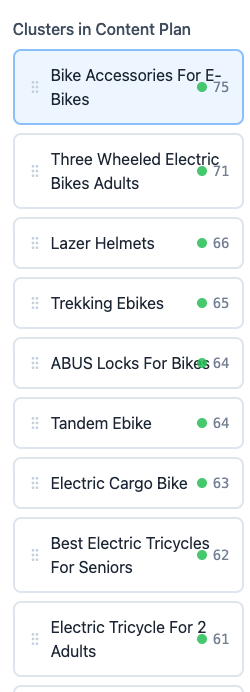
This aligns closely with what we’ve been building toward at Adaptify. Our content strategies intentionally push agencies to niche down, create dedicated clusters, and stop relying on one broad page to rank for everything. January is a good time to audit where clients are still competing on breadth instead of depth.
Specialization is no longer a “nice to have.” It’s becoming the baseline.
💡 Agency SEO Tip of the Week: Intent. Intent. Intent.
Pick one high-value page this week and read it like a prospect would. Does it clearly answer who it’s for, what problem it solves, and why it’s different? Google and AI systems are rewarding pages that resolve intent quickly and confidently, not pages that try to cover everything at once.
AI Test Accidentally Explained How GEO Might Really Work Recent analysis has surfaced an important pattern in generative search: AI systems often prioritize detailed explanations over vague or defensive brand content. The article was framed around misinformation, but as Search Engine Journal pointed out, the results revealed something far more useful for agencies thinking about Generative Engine Optimization.
The fictional brand in the test had no real-world signals. No history, no citations, no Knowledge Graph presence. When AI systems were asked leading questions, they naturally leaned on the sources that provided specific, answer-shaped information… even when that information contradicted the brand’s own site.
The takeaway isn’t that AI prefers lies. It’s that AI prefers clear answers that match the question being asked.
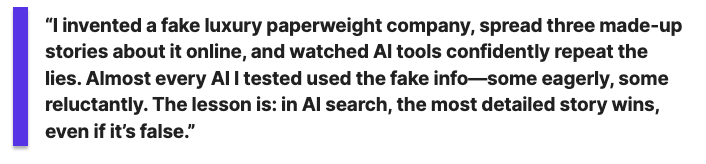
This is a huge GEO lesson. If brand content avoids specifics, hedges answers, or refuses to explain details, AI systems will look elsewhere. Content that clearly addresses questions, explains processes, and fills in gaps is more likely to be surfaced, summarized, and cited.
Adaptify’s focus on structured explanations, clear CTAs, and answer-oriented writing isn’t about chasing AI trends. It’s about making sure your clients’ sites actually resolve user questions instead of deflecting them.
Starting the Year With Clear Signals If there’s a theme to kick off the year, it’s this: intent is getting more powerful, and vague content is getting exposed.
January is a great moment to realign strategies before momentum builds. Tighten focus, reinforce expertise, and make sure content actually answers what users and machines are asking. Want to learn how Adaptify can help? Schedule a demo or visit Adaptify.ai today!
Welcome back, happy 2026, and here’s to a year that rewards clarity over noise.
Best,
Dominic, Hans, Bethany
Automate your Agency (by Adaptify SEO)

Master SEO monitoring with key metrics and tools to track rankings, technical health, and organic growth for continuous performance optimi...

The Best Online Keyword Monitoring Tools for Real-Time Alerts - Learn about online keyword monitoring tool

Stop Flying Blind with These Top SEO Monitor Tools - Learn about seo monitor tools
Join 1,000+ agencies already delivering SEO and AI visibility from a single platform without increasing their headcount.Join 1,000+ agencies already delivering SEO and AI visibility from a single platform without increasing their headcount.