Adaptify’s SEO Solutions for Agencies: Speed Up and Stand Out!

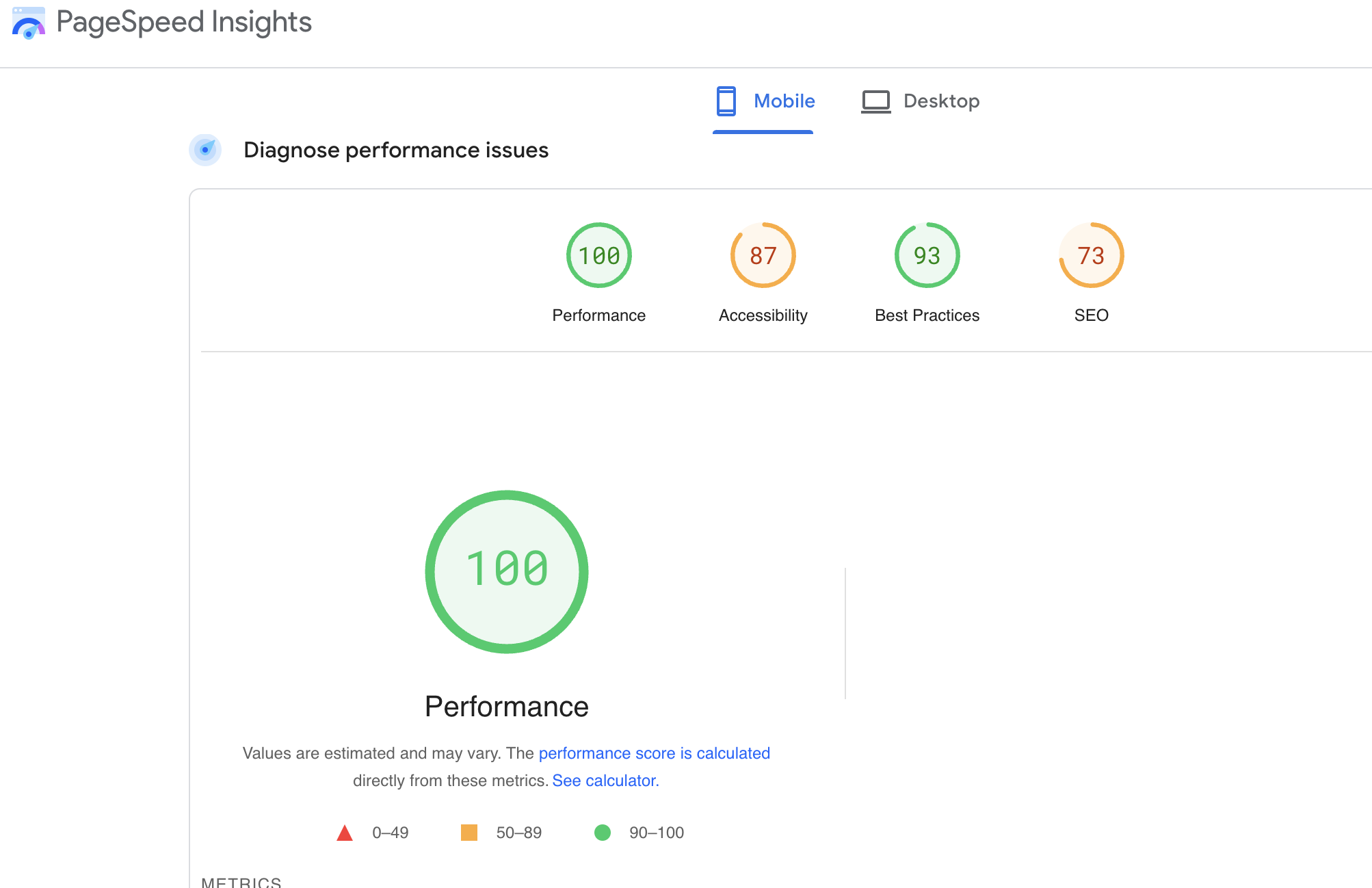

Slow sites, shifting metrics, and smarter searches—this week’s SEO landscape has plenty to unpack.
Imagine losing 90% of your clients site visitors simply because their site takes an extra few seconds to load. Or navigating Google’s analytic tools only to find a key report has vanished. And then there’s Bing, the sometimes forgotten underdog raising the bar with intent-driven search capabilities powered by AI. These changes aren’t just tweaks—they’re shaping how agencies like yours help clients stay visible and competitive online. Here’s what’s been happening this week and how your agency can stay ahead.
Page Speed Optimization: The High Cost of Slow Websites
A fast-loading website isn't just a luxury—it's become a necessity for today’s Google run SEO world. Slow websites not only frustrate users but also hinder your SEO performance. As Ludwig Makhyan explains on Search Engine Land, slow websites face a steep penalty, with Google reporting that pages taking over five seconds to load can see up to 90% of users leaving without interacting. This creates a negative feedback loop consisting of less readers = lower ranking = less readers.
So why does speed matter so much for SEO? Beyond the immediate user experience, page speed impacts Core Web Vitals (CWV), a crucial factor in Google’s evaluation of website usability. CWVs measure:

Slow websites don’t just frustrate users—they signal to search engines that the site isn’t delivering value, and maybe isn’t even worth ranking. But improving page speed doesn’t have to be daunting. Here are some key strategies to implement:
Why This Matters for SEO Agencies:
As SEO professionals, ensuring that client websites are optimized for speed is crucial. Slow websites not only impact user experience but also hinder conversion rates and search engine rankings.
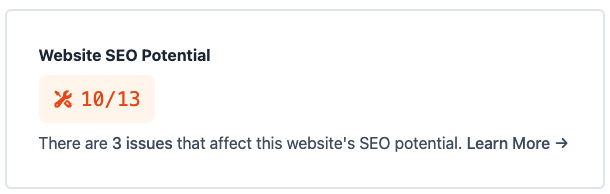
Adaptify’s Solution:
Adaptify helps you stay on top of your technical SEO by providing up-to-date website information through each site's "Website SEO Potential" dashboard. This tool offers a clear overview of what's performing well and highlights areas needing improvement. It also assists in identifying solutions to issues that might prevent Google from ranking your clients' content effectively by giving you access to Google’s developer pages - making site updates a breeze.
Note: If you install plugins such as WP Rocket or W3 Total Cache, check with us to find out how to change your settings to ensure Adaptify is still able to provide content, while your site speeds through those rankings.
Adaptify Minute Mastery: Why Speed = Better Rankings and Happy Users
Google Retires the Page Experience Report: What It Means for SEO
All good things must come to an end and for Google this includes the recently announced removal of the Page Experience report from Search Console, a move designed to streamline the interface and reduce clutter. While the Page Experience report combined Core Web Vitals (CWV) and HTTPS data into a single dashboard, site owners will now need to monitor these metrics through separate reports.
Search Engine Journal explains that while the consolidated report is gone, its importance remains. CWVs continue to measure essential performance factors, including:
Google’s decision underscores a shift in focus: prioritizing tools that give site owners detailed, actionable insights over high-level summaries. But this change raises questions for SEO professionals: How can agencies ensure they continue to monitor these metrics effectively?
The answer lies in focusing on the tools that remain. The CWV report offers a granular breakdown of performance issues, while the HTTPS report ensures secure connections are maintained. Together, these tools provide the information you need to optimize user experience.
As Barry Schwartz of Search Engine Land notes, the move reflects Google's broader strategy of encouraging SEOs to prioritize actionable elements, like CWVs and security, over less tangible metrics like "page experience."
For Adaptify users, this shift further reinforces the importance of tools such as our white label reporting features, which consolidate critical insights into a single view. This allows agencies to monitor their clients’ technical SEO health and overall ranking factors without missing a beat—even as Google’s tools start to play offtune.

This week in Meta news, the company has standardized “views” as the primary content performance metric across Facebook, Instagram, and Threads, according to Search Engine Land.
This shift offers creators and brands a unified way to measure reach, with some key takeaways:
For SEO agencies, this could simplify cross-platform strategies while emphasizing the need for metrics like click-through rates and conversions to measure true success.
Bing's Intent-Driven SEO
Microsoft’s Bing Generative Search leverages AI and Natural Language Processing (NLP) to deliver hyper-personalized search results that align with user intent.
This shift makes intent-based content strategies on the platform more crucial than ever. Some actionable tips for Bing focused users:
Adaptify’s Smart Keyword Top-Up feature ensures that agencies can easily stay ahead by refining keyword strategies and aligning content with searcher intent—helping you craft campaigns that resonate and convert.
Ready to Optimize Your Agency’s SEO Strategy?
With tools like Adaptify’s Website SEO Potential dashboard, White Label Reporting and Smart Keyword Top-Up, your agency can tackle everything from page speed and Core Web Vitals to intent-driven content that really delivers.
Ready to try us out? Visit Adaptify.ai for more information and book a demo today! Let’s build an SEO strategy that your clients will rave about!

Master SEO monitoring with key metrics and tools to track rankings, technical health, and organic growth for continuous performance optimi...
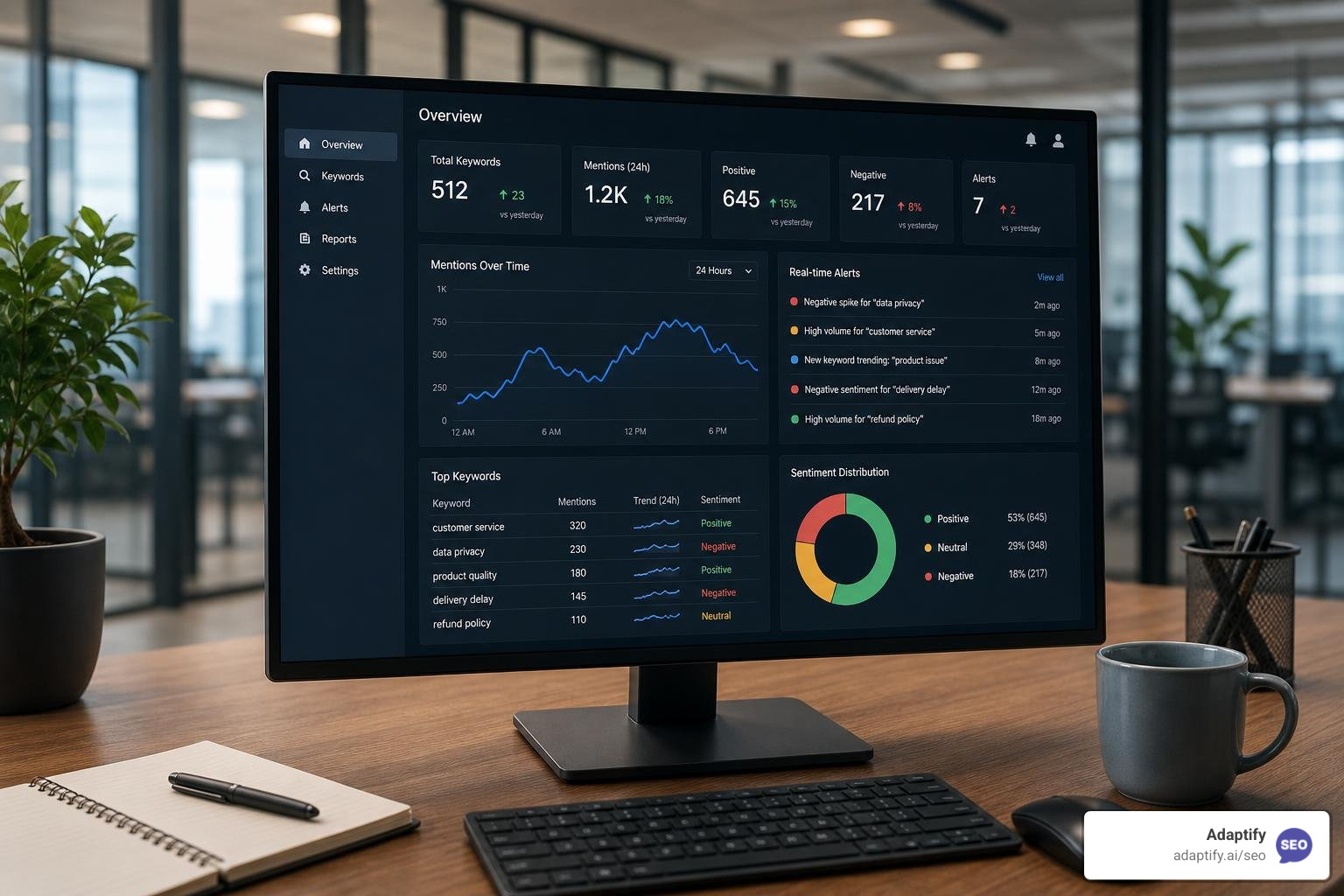
The Best Online Keyword Monitoring Tools for Real-Time Alerts - Learn about online keyword monitoring tool
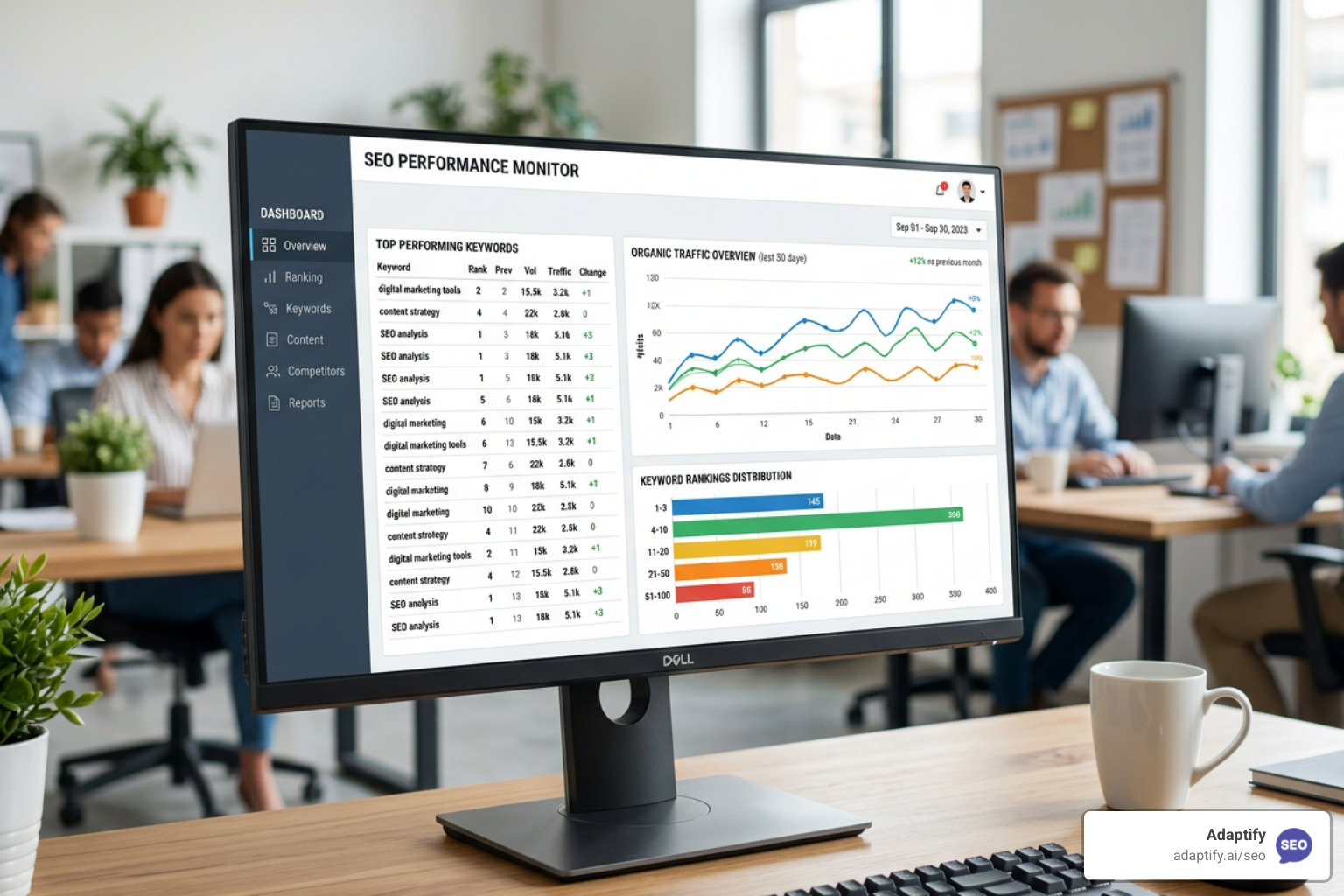
Stop Flying Blind with These Top SEO Monitor Tools - Learn about seo monitor tools
Join 1,000+ agencies already delivering SEO and AI visibility from a single platform without increasing their headcount.Join 1,000+ agencies already delivering SEO and AI visibility from a single platform without increasing their headcount.