Beyond the Basics: Advanced AI Strategies for SEO Success

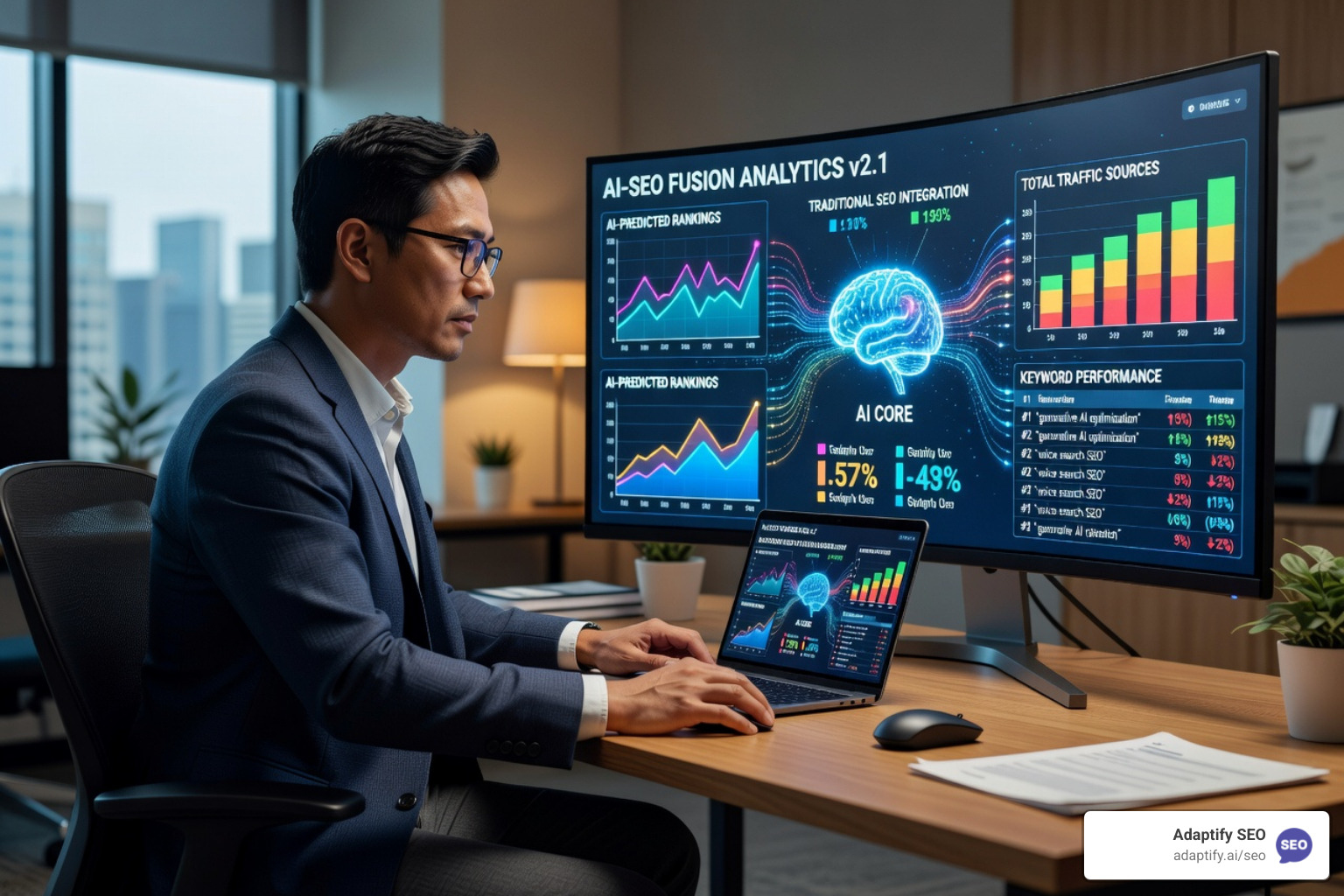

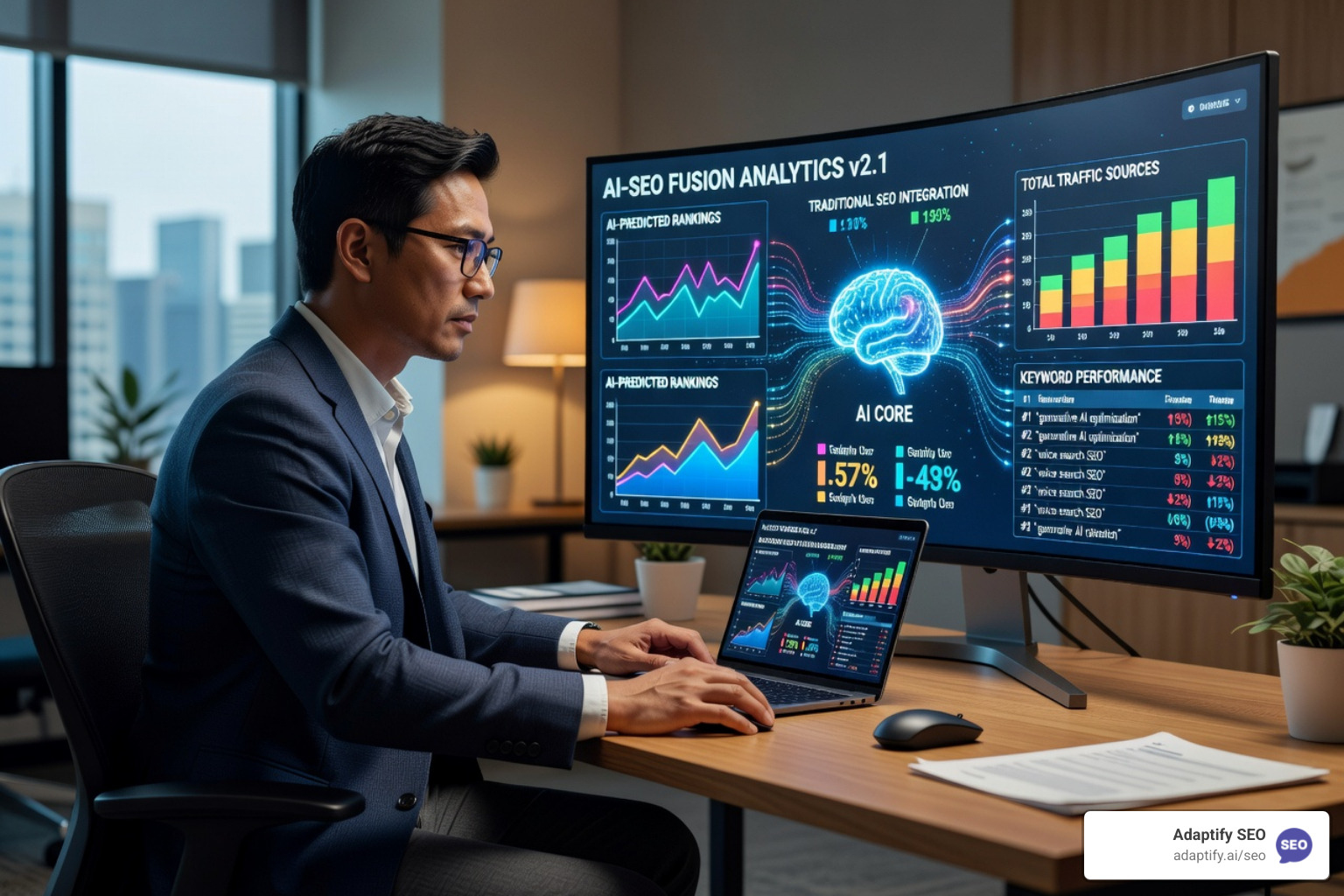
Best practices for combining ai analytics with traditional seo strategies have become essential as search engines evolve beyond simple keyword matching to understand user intent and context. The modern digital landscape demands a sophisticated, hybrid approach. Here's your quick guide to getting started:
Key Integration Strategies:
The search landscape is experiencing a fundamental shift. Every minute, 5.9 million searches are processed on Google, and with the introduction of Google's Search Generative Experience (SGE) and AI Overviews, traditional SEO approaches alone are no longer sufficient. Modern search engines use advanced artificial intelligence to deliver personalized, contextual results that go far beyond basic keyword matching, aiming to answer complex queries directly on the results page.
Yet while AI is changing how we approach SEO, the core principles that have always mattered—quality content, user experience, and authentic expertise—remain crucial. The winning strategy isn't about choosing between AI and traditional methods, but rather creating a powerful synergy that amplifies the strengths of both. It's about using technology to improve human capability, not replace it.
Having worked with AI-powered platforms and scaled SaaS solutions, I've seen how best practices for combining ai analytics with traditional seo strategies can dramatically improve efficiency and results. My experience leading product design for AI data platforms confirms that integrating AI-driven features serves real user needs, changing raw data into actionable strategic insights.
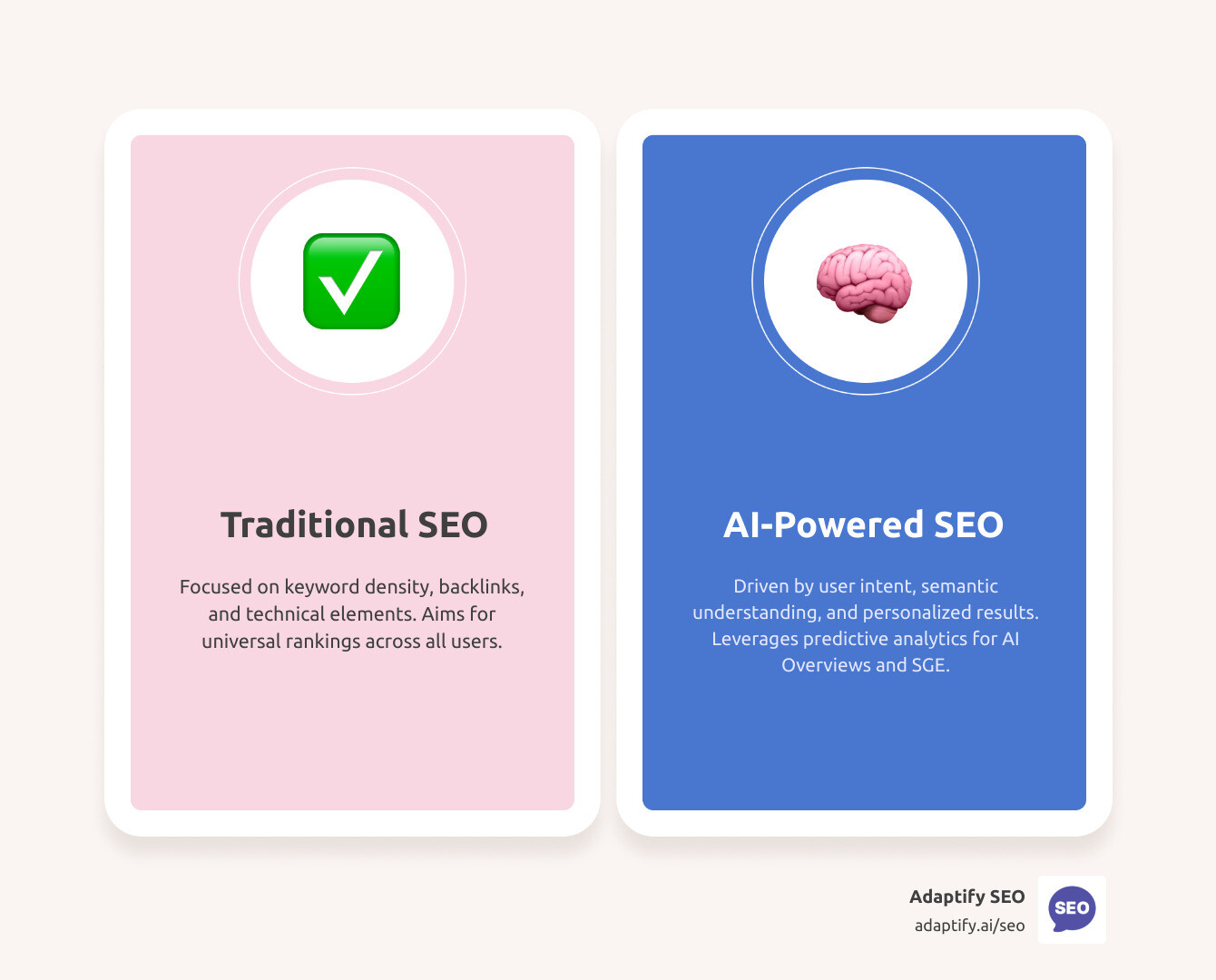
The digital world is dynamic. For years, SEO focused on a predictable set of tasks: find keywords, build backlinks, and apply technical fixes. While still foundational, these elements are no longer enough to guarantee success. AI has fundamentally reshaped how search engines deliver information by evaluating context, user intent, and historical behavior to provide highly personalized results. Features like Google's Search Generative Experience (SGE) and AI Overviews deliver AI-generated answers directly within the SERP, making old strategies that relied solely on ranking in the top ten blue links less effective.
This new paradigm means that, as one expert noted, "thin, templated articles won’t perform well in an environment where search engines reward real insight." Your content must now be scannable, immediately relevant, and use conversational language to match the natural queries people use when speaking to voice assistants or typing into AI chatbots. Adapting to this AI-driven search ecosystem isn't just an option; it's essential for maintaining visibility and relevance in a crowded digital space.
Despite AI's advancements, core SEO principles remain the bedrock of any successful strategy. Prioritizing these is a key best practice for combining AI analytics with traditional SEO strategies.
At the heart of it all is E-E-A-T: Experience, Expertise, Authoritativeness, and Trustworthiness. Google's quality raters are trained to prioritize content that demonstrates real-world expertise and builds trust. Your content must be high-quality, original, and genuinely helpful for people, not just optimized for algorithms. AI can help you research and structure information, but it cannot replicate the nuance of genuine human experience or build the kind of trust that comes from authentic, first-hand knowledge.
User experience (UX) is also paramount. Fast, mobile-friendly, and easy-to-steer sites are consistently favored by search engines. Key metrics like page speed (including Core Web Vitals), mobile responsiveness, and a logical site architecture directly impact your rankings. AI can be incredibly effective at identifying UX issues at scale, but it takes human designers and developers to implement thoughtful, user-centric fixes.
Backlinks remain a critical ranking factor, acting as votes of confidence from other reputable sites in your niche. Building a strong backlink profile still requires strategic outreach and relationship-building. Finally, a solid technical SEO foundation—ensuring your site is crawlable, indexable, and free of critical errors—is non-negotiable. AI complements these proven techniques by making them more efficient and data-driven; it doesn't replace them. As the history of SEO shows, its constant evolution means adapting new technologies while holding firm to timeless quality standards.
The real magic happens when you view AI and traditional SEO as partners. AI doesn't replace human expertise—it amplifies it. Best practices for combining AI analytics with traditional SEO strategies are about creating a workflow where AI handles the heavy data lifting while humans focus on strategy, creativity, and nuanced decisions that machines can't replicate.
Think of it this way: AI can process millions of data points, spot patterns invisible to the human eye, and predict trends with startling accuracy. But it can't understand your brand's unique voice, make a strategic pivot based on market intuition, or build the genuine relationships that lead to high-authority backlinks and brand loyalty.
AI has revolutionized keyword research, turning it from a manual, often repetitive task into a predictive science. While traditional tools like Ahrefs and Semrush provide robust keyword data, AI-powered keyword research goes deeper by understanding semantic relationships, revealing entire constellations of content opportunities that manual research often misses. For instance, it connects a primary query like "best pizza recipes" to related subtopics like "homemade Italian cuisine," "sourdough pizza crust," and "best ovens for home pizza," allowing you to build comprehensive topical authority.
A major breakthrough is predictive trend analysis, which uses machine learning models to forecast emerging search patterns. This allows you to create content before a topic starts trending, positioning your brand as a forward-thinking leader. Furthermore, AI excels at topic clustering. Instead of targeting individual keywords, AI tools like MarketMuse or Clearscope help you organize related keywords into comprehensive content pillars and clusters. This approach signals deep expertise to search engines and provides more value to users.
Finally, AI makes finding high-intent, low-competition long-tail keywords effortless. It can analyze forum discussions, "People Also Ask" sections, and social media chatter at scale to uncover the specific, conversational questions your audience is asking right before they are ready to convert.
Adaptify.ai's platform leverages advanced AI to identify these high-value keyword opportunities and emerging trends, helping agencies stay ahead of the competition and build content strategies that dominate their niche.
Content creation is now a collaborative process where AI handles the groundwork and humans add the magic. This partnership is where some of the most effective best practices for combining AI analytics with traditional SEO strategies shine. Tools like SurferSEO and Frase.io offer AI-assisted content briefs and real-time editing suggestions, but the key is to use them as a guide, not a mandate.
AI-assisted content briefs provide comprehensive outlines with target keywords, competitor analysis, word count recommendations, and identified content gaps, freeing writers to focus on crafting compelling narratives. While Natural Language Generation (NLG) tools can produce initial drafts, human insight is crucial to infuse personality, storytelling, and an authentic voice that resonates with your audience.
The rise of Google's Search Generative Experience means content must be structured for inclusion in AI-generated summaries. This requires exceptional clarity, purpose, and conversational language. Content should be broken down with clear headings (H2s, H3s), bullet points, and concise definitions that can be easily extracted and repurposed by AI models.
Content personalization through AI can dynamically adjust website content based on user behavior, location, or past interactions, creating a more relevant experience. Meanwhile, readability analysis tools evaluate sentence structure, complexity, and tone to ensure your content resonates with your target audience while maintaining its SEO effectiveness.
With Adaptify.ai, agencies can generate content outlines customized to user intent and optimize for both traditional and generative search experiences, ensuring maximum visibility.
AI has democratized technical SEO, making comprehensive site analysis accessible while freeing up human experts for high-level strategic implementation. While a tool like Screaming Frog remains a staple for manual crawls, AI-powered crawlers can analyze thousands of pages simultaneously, identifying everything from broken links and redirect chains to complex issues with Core Web Vitals.
AI-powered site crawlers don't just list problems; they often prioritize them based on potential impact on traffic and revenue. Page speed analysis becomes surgical, with AI offering specific optimization insights (e.g., "compress these three images," "defer this specific JavaScript file") and predicting the impact of those changes on load times.
AI also provides smarter schema markup recommendations. By analyzing your content's context, it can suggest the most appropriate structured data types (e.g., FAQPage, HowTo, Product), increasing your chances of earning valuable rich snippets in the SERPs. Internal linking suggestions from AI consider your entire site architecture, identifying orphaned pages and suggesting links that create a more logical structure for both users and search engines.
Here's the key insight: AI can identify issues, but human expertise is needed to fix them. The automated audit is just the beginning; implementation requires human-led strategic thinking to ensure changes align with broader business goals.
Adaptify.ai's automated audits flag technical issues and provide actionable recommendations, while our SEO experts ensure solutions are implemented effectively.
Link building has always been part art, part science. AI tips the balance toward science while leaving crucial room for the human-centric relationship-building skills that seal the deal.
Backlink profile analysis through AI can reveal patterns invisible to manual review. It can identify which types of content earn the most authoritative links and which competing domains are most influential in your space. Link-building opportunity identification becomes more sophisticated. Instead of just scraping competitor backlinks, AI can analyze their strategies to find similar, replicable high-value opportunities that you've missed.
AI-powered outreach personalization, when used ethically, can transform generic email templates into custom messages that resonate with target sites by referencing their recent content or social media activity. AI also helps predict link value, prioritizing outreach efforts based on a blend of factors like domain authority, site relevance, and potential referral traffic.
Finally, brand mention tracking through AI acts as a tireless research assistant, constantly monitoring the web for unlinked mentions and potential partnership opportunities. Human expertise remains essential for nurturing the relationships needed to capitalize on these AI-identified opportunities.
Adaptify.ai's AI-driven analysis uncovers high-value backlink opportunities and tracks brand mentions to strengthen your clients' authority.

Implementing AI into your SEO workflow isn't about flipping a switch; it's about creating a thoughtful framework that maximizes ROI while maintaining an authentic human touch. The goal is to build a bridge from your current processes to an AI-improved future, amplifying your team's capabilities with clear metrics for success.
Successful AI integration requires a strategic, phased approach to avoid overwhelming your team and ensure buy-in. Rushing the process can lead to confusion and misuse of powerful tools.
Start by assessing your current processes to identify the most repetitive, time-consuming tasks that are ideal for automation. Good candidates include initial keyword research, weekly technical audits, or generating first-draft content outlines. When selecting appropriate AI tools, choose based on your specific needs, team expertise, and budget—not just industry hype. Establish clear guidelines for AI use so your team knows precisely when to rely on AI and when human judgment is non-negotiable. For example, AI can create data-driven content outlines, but a human strategist must refine the angle and ensure it aligns with the brand voice. Create feedback loops for continuous improvement; the more your team interacts with and corrects AI models, the better they learn your specific needs and stylistic preferences. Finally, invest in training your team on interpreting AI outputs. The value isn't in the raw data AI provides, but in the ability to translate those insights into actionable, winning strategies. Successful integration requires patience, clear communication, and proper team training.
Adaptify.ai's onboarding process includes dedicated team training and workflow integration support, ensuring a smooth and effective transition to AI-improved SEO.
Measuring the success of best practices for combining AI analytics with traditional SEO strategies requires an expanded toolkit. While traditional KPIs are still important, AI opens up new dimensions of performance tracking that provide a more holistic view of your impact.
Your familiar metrics like organic traffic growth, keyword rankings, conversion rates, and click-through rates (CTR) remain foundational. But AI introduces new, more nuanced metrics for deeper insights.
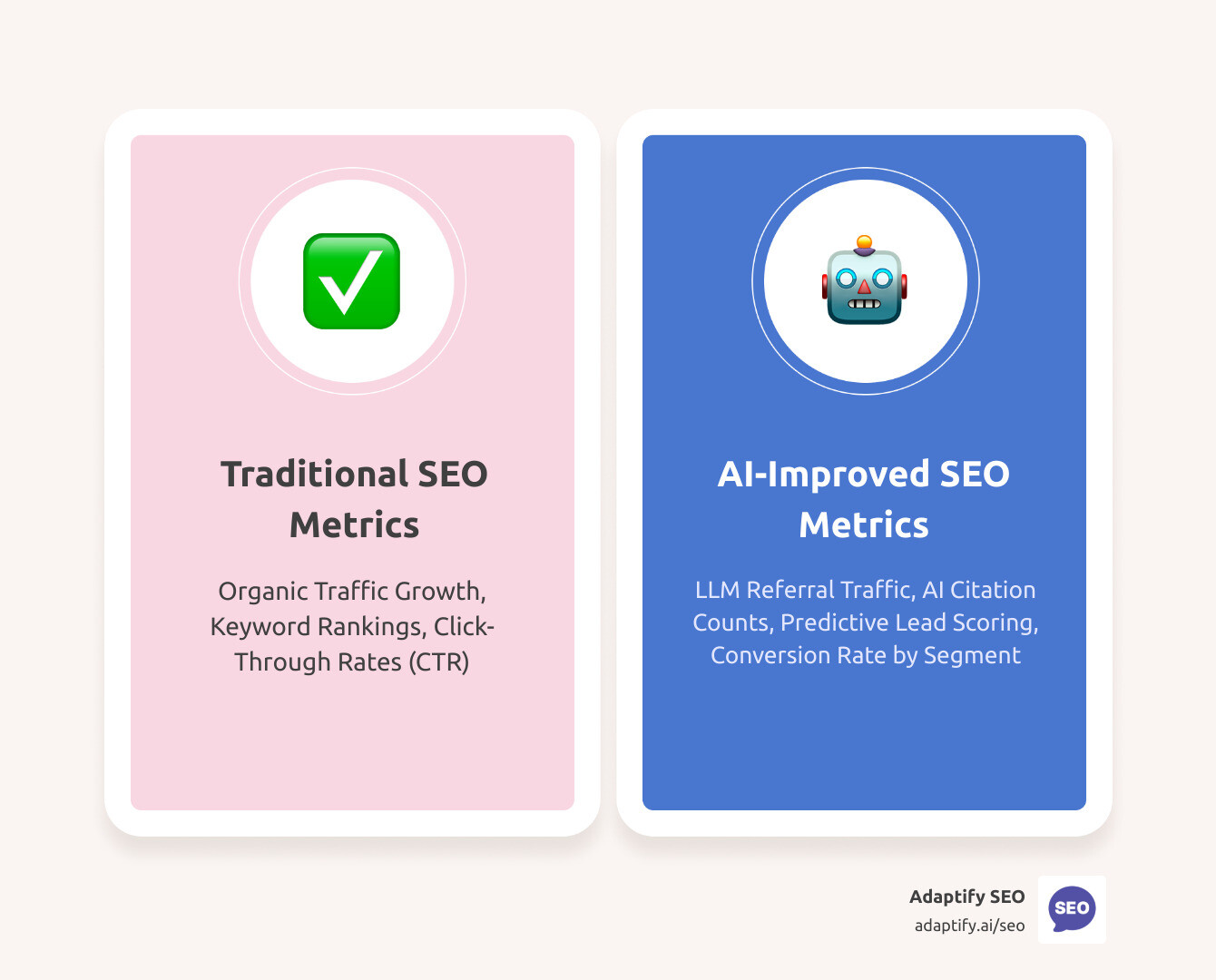
LLM referral traffic is becoming increasingly important as AI chatbots and search assistants grow in popularity. Tracking when your content is cited in AI-generated summaries is a new form of visibility. Citation counts in AI answers signal strong authority and build brand recognition, even without a direct click. While direct tracking is still evolving, this can be monitored through advanced brand monitoring tools and by manually checking key queries in generative models.
Predictive lead scoring uses AI to analyze user behavior and forecast which prospects are most likely to convert, allowing your sales and marketing teams to focus their efforts on high-value opportunities. Conversion rate by segment analysis, powered by AI, can reveal which personalized content strategies work best for different audience groups, enabling hyper-targeted optimization.
Cost Per Acquisition (CPA) often improves dramatically when AI handles repetitive tasks, freeing up your team for high-impact strategic work. One SaaS company I consulted with saw a 50% increase in organic traffic and a 25% improvement in conversion rates within four months by using an AI-driven content strategy. They measured success by tracking not only traditional traffic and conversion indicators but also the increase in their content's citation rate within leading AI models.
Adaptify.ai's reporting dashboard provides both classic and AI-driven metrics, giving agencies a comprehensive, 360-degree view of performance.
AI is a powerful assistant, but it is not a replacement for human expertise, creativity, and empathy. The most successful and sustainable SEO strategies combine AI's analytical power with irreplaceable human insights.
AI excels as an assistant, not a replacement. It can process vast amounts of data and identify patterns, but it lacks the emotional and cultural intelligence to truly connect with an audience. It can tell you what content to create, but a human tells you how and why it will resonate.
Human creativity and empathy are essential for building authentic connections. A human writer can infuse content with personality, humor, and personal anecdotes that make readers feel seen and heard. This is what turns casual visitors into loyal customers and brand advocates.
Brand voice and authenticity require diligent human oversight. AI-generated content, without a final human review, can often feel generic or slightly off-brand. Audiences are becoming increasingly adept at spotting the difference, and authenticity is a key driver of trust.
Strategic decision-making remains firmly in human hands. Setting long-term goals, adapting to sudden market changes, and making complex strategic decisions that weigh multiple qualitative factors require human intuition and experience. The focus of the modern SEO professional is shifting from data collection toward strategic planning, with AI handling the tactical analysis.
As one industry expert put it, "The key to long-term growth is balancing AI efficiency with human insight, creativity, and trust." This balance is what we strive for at Adaptify.ai. Our teams ensure that every AI-generated recommendation is reviewed for brand alignment and audience resonance before it goes live.
Our teams ensure that every AI-generated recommendation is reviewed for brand alignment and audience resonance.

The search landscape is evolving at breakneck speed. As someone deep in AI development and SEO strategy, I can tell you that what we're seeing now is just the beginning. Understanding emerging trends isn't just about staying current—it's about survival. The brands and agencies that prepare now will thrive when these changes fully take hold.
The future of search is more conversational, personalized, and intelligent. Preparing for it is a core best practice for combining AI analytics with traditional SEO strategies.
Agentic Search represents a significant leap forward. This involves AI agents that don't just analyze data but can act on it automatically—booking appointments, comparing products, and completing multi-step tasks on behalf of the user. This means SEO will evolve to optimize for actions and task completion, not just information retrieval. The rise of AI-powered chatbots like ChatGPT and Perplexity means users are asking complex, conversational queries. Your content must be structured to answer these questions like a helpful human expert, providing clear, direct, and well-supported information.
We're also seeing a continued shift to "zero-click" content, where answers appear directly in search results or AI summaries. While this may reduce direct clicks, being the featured source builds immense credibility and brand authority. This highlights the importance of being a cited source. When AI systems like Google's AI Overviews or Perplexity cite your content, they are vouching for your expertise. Our teams have noticed that brands consistently cited by AI see a halo effect of increased trust and authority across all channels.
So, will SEO exist in 5 or 10 years? Absolutely, but it will be far more sophisticated. The focus will be on deep user intent analysis, structured data optimization for AI agents, and providing verifiably authoritative content, while the fundamentals of providing value remain constant.
Adaptify.ai’s roadmap includes features for optimizing content for emerging search experiences, ensuring agencies stay ahead of industry shifts.
With great AI power comes great responsibility. The ethical considerations around AI in SEO are not just a matter of compliance but of long-term brand integrity. We all need to take them seriously.
Transparency in AI use should be your starting point. Being upfront with clients and audiences about using AI to assist with content creation or data analysis builds trust. The key is to frame AI as a tool that improves human expertise, not a machine that replaces it.
Avoiding manipulative tactics is crucial. Flooding the internet with low-quality, mass-produced, AI-generated articles is ethically questionable and a fast track to search engine penalties. The goal must always be to provide genuine value, not to game the algorithm with scaled-up mediocrity.
Ensuring data privacy is paramount, as AI systems often require large amounts of data to function effectively. We've implemented strict protocols to ensure that all client data is handled responsibly, anonymized where possible, and in full compliance with privacy regulations like GDPR and CCPA. As noted in publications like the Harvard Business Review, building transparency into AI projects isn't just ethical—it's good business.
Combating AI-generated misinformation is a major challenge for the entire industry. AI models can "hallucinate" and generate plausible-sounding but false information. This is why rigorous human oversight is critical. Every piece of AI-assisted content must be fact-checked and reviewed for accuracy by a subject matter expert before publication.
Maintaining brand integrity requires clear and consistently enforced guidelines. An AI can mimic a brand voice, but it can't understand the nuanced context, cultural sensitivities, and core values that make a brand unique. That's where human creativity, judgment, and empathy are irreplaceable.
Adaptify.ai is committed to ethical AI practices, with clear guidelines on responsible use and robust privacy safeguards for all clients.
The digital marketing world is at a pivotal turning point. Best practices for combining AI analytics with traditional SEO strategies are no longer a competitive advantage—they are the new standard for staying relevant. While some competitors are still manually sifting through spreadsheets and struggling to keep pace, AI-powered agencies are delivering faster, more accurate, and more strategic insights to their clients.
This isn't about replacing the human touch; it's about amplifying it. The most successful agencies of tomorrow will be those that master the hybrid approach. They will use AI for the data-heavy, time-intensive tasks of analysis, monitoring, and initial content generation. Meanwhile, their human experts will be freed up to focus on what they do best: leading high-level strategy, fostering creativity, building client relationships, and providing the final review that ensures quality and authenticity. This approach creates strategies that are not only efficient and scalable but also deeply resonant with human audiences.
The role of the SEO professional is evolving from a technician into a strategic orchestrator—a leader who guides both human talent and artificial intelligence to achieve business goals. Your team can focus on high-level thinking while AI handles the granular data analysis, content optimization, and technical audits that form the foundation of success.
For agencies seeking a seamless transition into this new era, platforms like Adaptify.ai offer a comprehensive solution that automates the entire SEO workflow, from research to reporting. Our teams have seen how this integrated approach transforms both agency efficiency and client results.
The future of SEO is a powerful partnership between human expertise and artificial intelligence. The agencies that master this synergy won't just survive; they will lead the way in the years ahead.
Ready to future-proof your SEO services? Book a Demo to see how our AI-powered platform can transform your agency's efficiency and client outcomes.

Stop being invisible: discover what the best local SEO strategies for small businesses are to dominate Google Maps, reviews, and AI search...
Master localized SEO to rank your local business in Google Maps and drive more in-store visits.
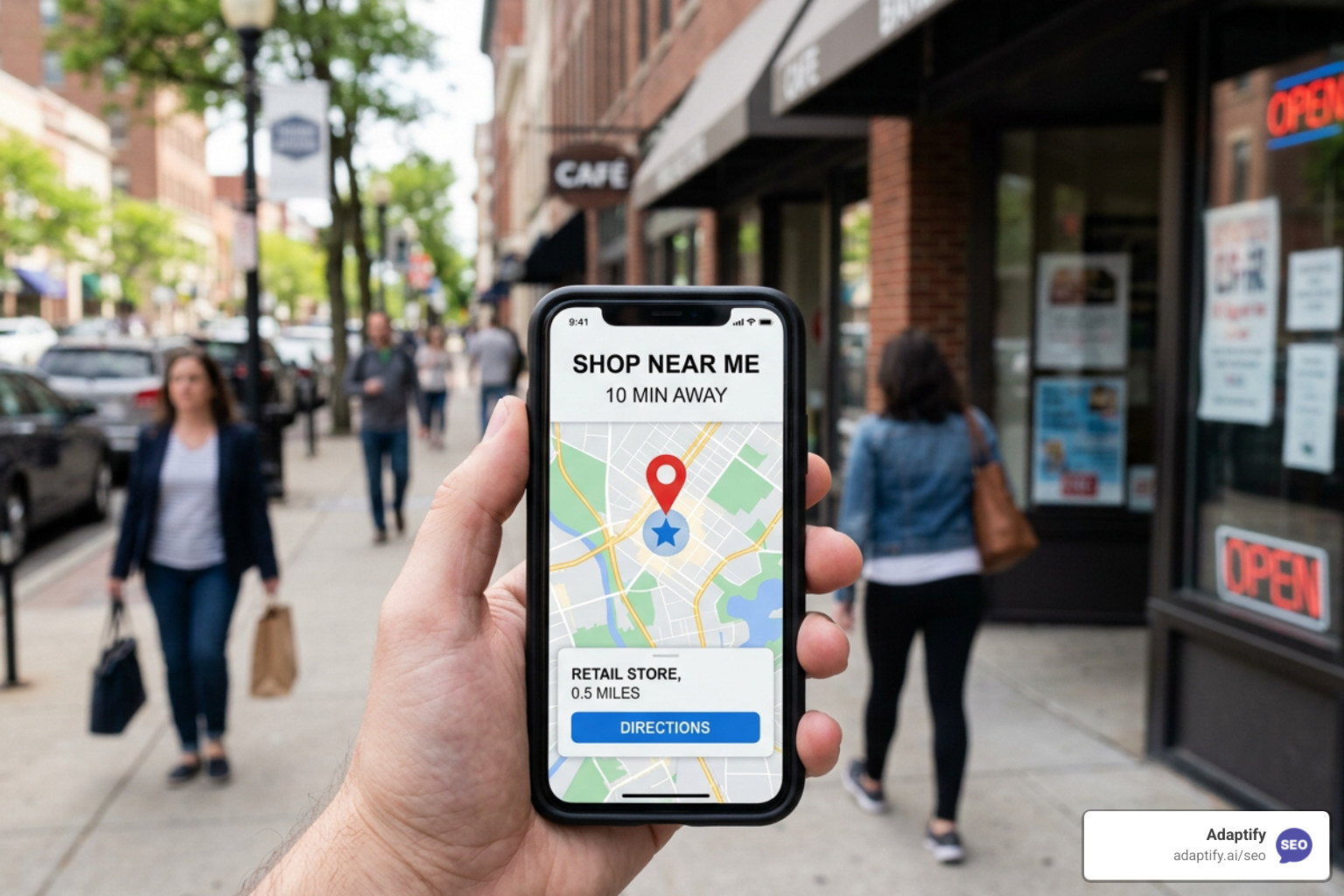
Master local retail SEO to drive foot traffic from Google with proven strategies for GBP, reviews, and AI search optimization.
Join 1,000+ agencies already delivering SEO and AI visibility from a single platform without increasing their headcount.Join 1,000+ agencies already delivering SEO and AI visibility from a single platform without increasing their headcount.