Digital PR Backlinks Uncovered – How to Win Google's Heart


Digital PR backlinks are editorial links earned through strategic media outreach and newsworthy content creation. Unlike traditional link building, these links come from journalists and publishers who naturally reference your brand in their articles.
Key Benefits of Digital PR Backlinks:
The numbers speak for themselves. IBM's Cost of a Data Breach Report generated backlinks from 9,200 domains, while creative campaigns like "The Future Gamer" secured over 200 backlinks from sites like BuzzFeed and The Daily Mail. These aren't just links - they're endorsements from trusted sources that Google values most.
For agency owners drowning in manual SEO tasks, digital PR backlinks offer a scalable solution. Instead of chasing hundreds of low-quality guest posts, you can earn a few high-authority editorial links that move the needle on rankings and traffic.
I'm Hansjan Kamerling, and I've helped AI startups and SaaS platforms earn digital PR backlinks through data-driven campaigns and strategic media relationships. Over the past seven years, I've seen how digital PR backlinks transform SEO results when done right.
Google's March 2024 update focused on eliminating spammy, low-quality content - exactly the kind that traditional link building often relies on. Meanwhile, high-quality editorial links continue to drive organic traffic and rankings because they represent genuine credibility signals.
I've watched agencies waste thousands of dollars on link schemes that get penalized, while smart operators pivot to digital PR backlinks that compound in value over time. The difference isn't just in the links themselves - it's in the brand authority, referral traffic, and user experience improvements that come with genuine media coverage.
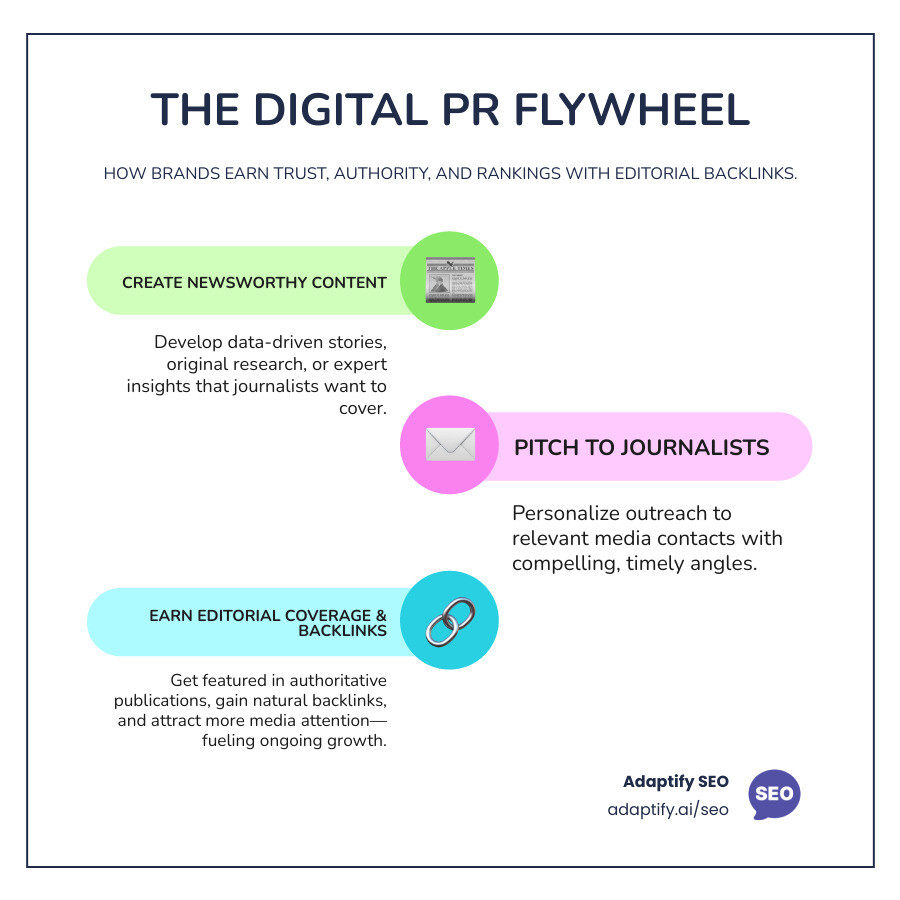
This guide will show you exactly how to earn these valuable editorial links, from creating newsworthy content to building relationships with journalists who can amplify your message.
Digital PR backlinks are earned editorial links that come from journalists, bloggers, and publishers who reference your brand, data, or expertise in their articles. Unlike traditional link building where you directly request links, these backlinks are earned through strategic media outreach and newsworthy content creation.
The key difference lies in the source and context. Traditional link building focuses on guest posts, directories, and direct link exchanges. Digital PR backlinks come from earned media coverage - when a journalist at TechCrunch writes about your industry report, or when a local news outlet covers your company's community initiative.
Google treats these differently because they represent genuine third-party endorsements. When The Wall Street Journal links to your research study, it's not because you asked for a link - it's because your content provided value to their readers and supported their story.
The research shows that 85% of SEO professionals believe link building plays a crucial role in establishing brand authority and trust. But here's what most miss: it's not about the quantity of links, it's about the quality of the sources and the context in which they appear.
Let me break down the fundamental differences between these two approaches:
Traditional Link Building:
Digital PR Backlinks:
The scope of outreach differs dramatically too. Traditional link building targets website owners and bloggers. Digital PR targets journalists, editors, and industry influencers who can amplify your message to thousands of readers.
This creates a perception shift that's crucial for long-term success. Instead of being seen as someone asking for favors, you become a valuable source of information and expertise that journalists want to work with.
Google's E-E-A-T framework (Experience, Expertise, Authoritativeness, Trustworthiness) is central to how search engines evaluate content quality. Digital PR backlinks directly strengthen all four pillars:
Experience: Media coverage demonstrates real-world application of your expertise. When a journalist covers your company's innovative approach or quotes your insights, it shows practical experience in your field.
Expertise: Editorial links from industry publications establish subject matter authority. A backlink from a respected trade publication carries more weight than dozens of generic blog links.
Authoritativeness: High-domain rating news sites and established publications transfer authority to your website. This isn't just about metrics - it's about being recognized by authoritative sources in your industry.
Trustworthiness: Editorial coverage provides third-party validation that can't be bought or manipulated. When journalists independently verify and reference your information, it creates powerful trust signals.
I've seen domain ratings increase by 5-10 points within six months of consistent digital PR campaigns. But the real impact goes beyond metrics - it's the credibility that comes from being featured in respected publications.
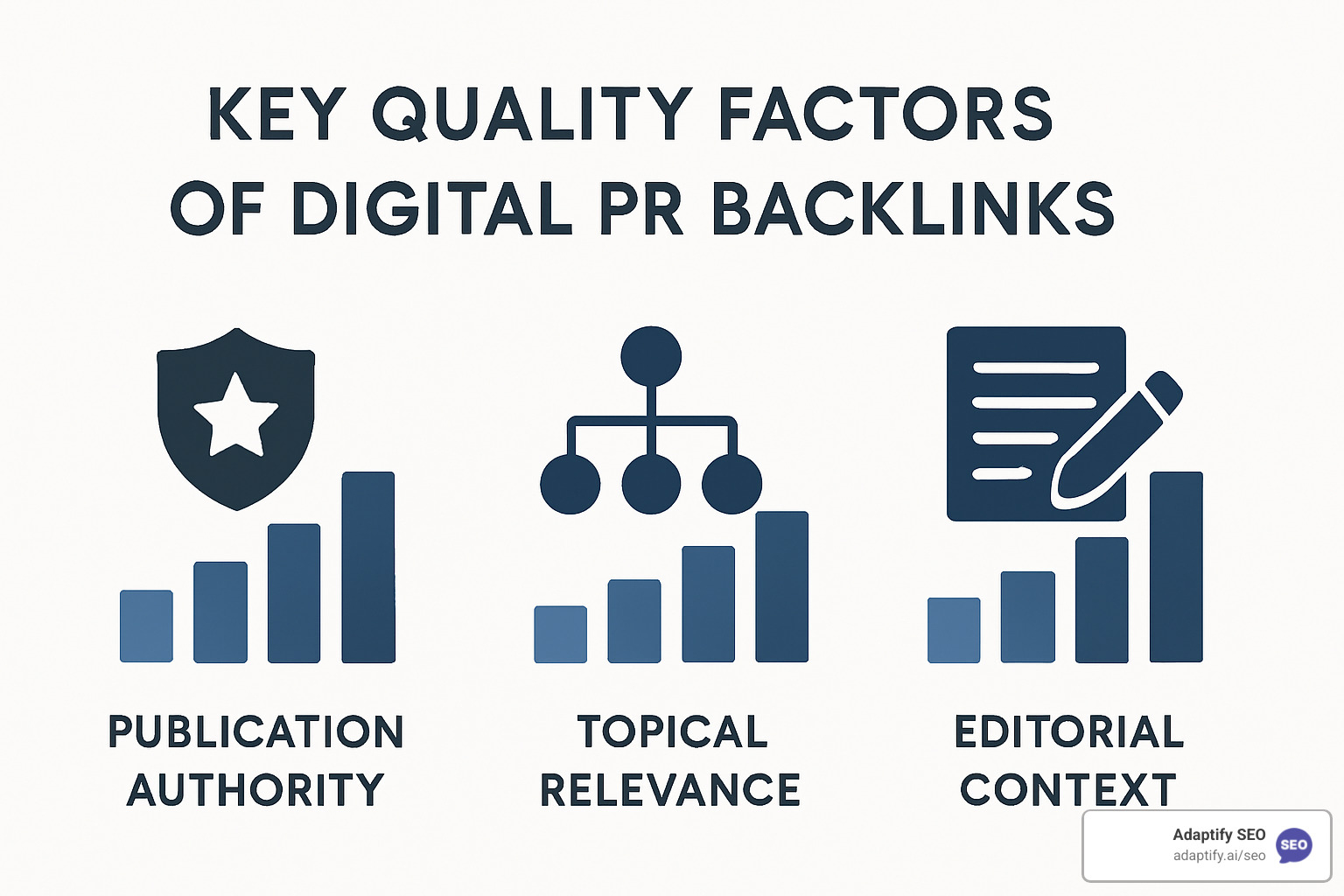
Not all digital PR backlinks are created equal. Understanding quality signals helps you focus your efforts on links that actually move the needle for SEO and business growth.
Quality Signals to Look For:
The research shows that journalists evaluate stories based on six news values: timeliness, impact, prominence, proximity, conflict, and human interest. Your digital PR backlinks should come from coverage that hits at least one of these criteria.
The most valuable digital PR backlinks share specific characteristics that amplify their SEO impact:
Publication Authority: Links from domain rating 50+ sites carry significantly more weight. But don't ignore niche publications with engaged audiences - a backlink from a respected industry trade publication can be more valuable than a generic mention in a high-DR news site.
Contextual Placement: The link should appear naturally within the article content, not in author bios or footer sections. When journalists reference your data to support their story, that contextual placement signals relevance to search engines.
Unique Data Reference: The most powerful PR backlinks come from coverage of original research or proprietary insights. When Angi's home maintenance cost study earned 115 backlinks, it wasn't just because of outreach - it was because they provided unique data that journalists needed for their stories.
Natural Anchor Text: Avoid optimized anchor text like "best SEO services." Instead, look for natural references like "according to a recent study by [Company Name]" or "data from [Company Name] shows..."
| Link Type | Follow Status | SEO Value | Traffic Value |
|---|---|---|---|
| Editorial Follow | Dofollow | High | High |
| Editorial Nofollow | Nofollow | Medium | High |
| Press Release | Nofollow | Low | Medium |
| Sponsored Content | Nofollow | Low | Low |
Avoid these common pitfalls that can hurt your SEO efforts:
Press Release Farms: Automated distribution to hundreds of low-quality sites provides no SEO value. These syndicated links are typically nofollow and carry no editorial weight.
Paid Links: Any link that involves payment for placement violates Google's guidelines. This includes sponsored posts, paid reviews, and link exchanges.
Irrelevant Domains: A backlink from a gambling site to your B2B SaaS company sends mixed signals to search engines about your topical authority.
Link Schemes: Reciprocal linking, private blog networks, and other manipulative tactics risk manual penalties that can tank your rankings.
The research shows that 9 out of 10 traditional digital PR agency campaigns yield fewer than 10 links, often because they focus on quantity over quality or use tactics that don't align with editorial standards.
The most successful digital PR backlinks come from campaigns that provide genuine value to journalists and their audiences. Here are the strategies that consistently deliver results:
Original research is the holy grail of digital PR. Journalists crave unique data points that support their stories and provide exclusive insights to their readers.
IBM's Cost of a Data Breach Report is a perfect example - it generated backlinks from 9,200 domains because it provided authoritative data that journalists needed for cybersecurity stories. The key was conducting rigorous research with a clear methodology that journalists could trust and reference.
How to Execute Data-Driven Campaigns:
Vena's SaaS statistics study increased clicks by 113% and impressions by 48% because it provided comprehensive data that filled a gap in the market. The study became a go-to resource for journalists covering the SaaS industry.
Visual content increases sharing potential by 40%, making it a powerful tool for earning digital PR backlinks. Interactive content is 93% effective at educating potential buyers compared to 70% for static content.
The "Future Gamer" campaign picked up over 200 backlinks from sites like BuzzFeed and The Daily Mail by creating compelling 3D visualizations that showed the potential health impacts of gaming. The creative approach made complex health data accessible and shareable.
Types of Interactive Content That Earn Links:
Pinrose's fragrance quiz ranks in the top 3 for "perfume quiz" with 2.3K monthly searches, converting bottom-funnel traffic while earning backlinks from publications like Self and Teen Vogue.
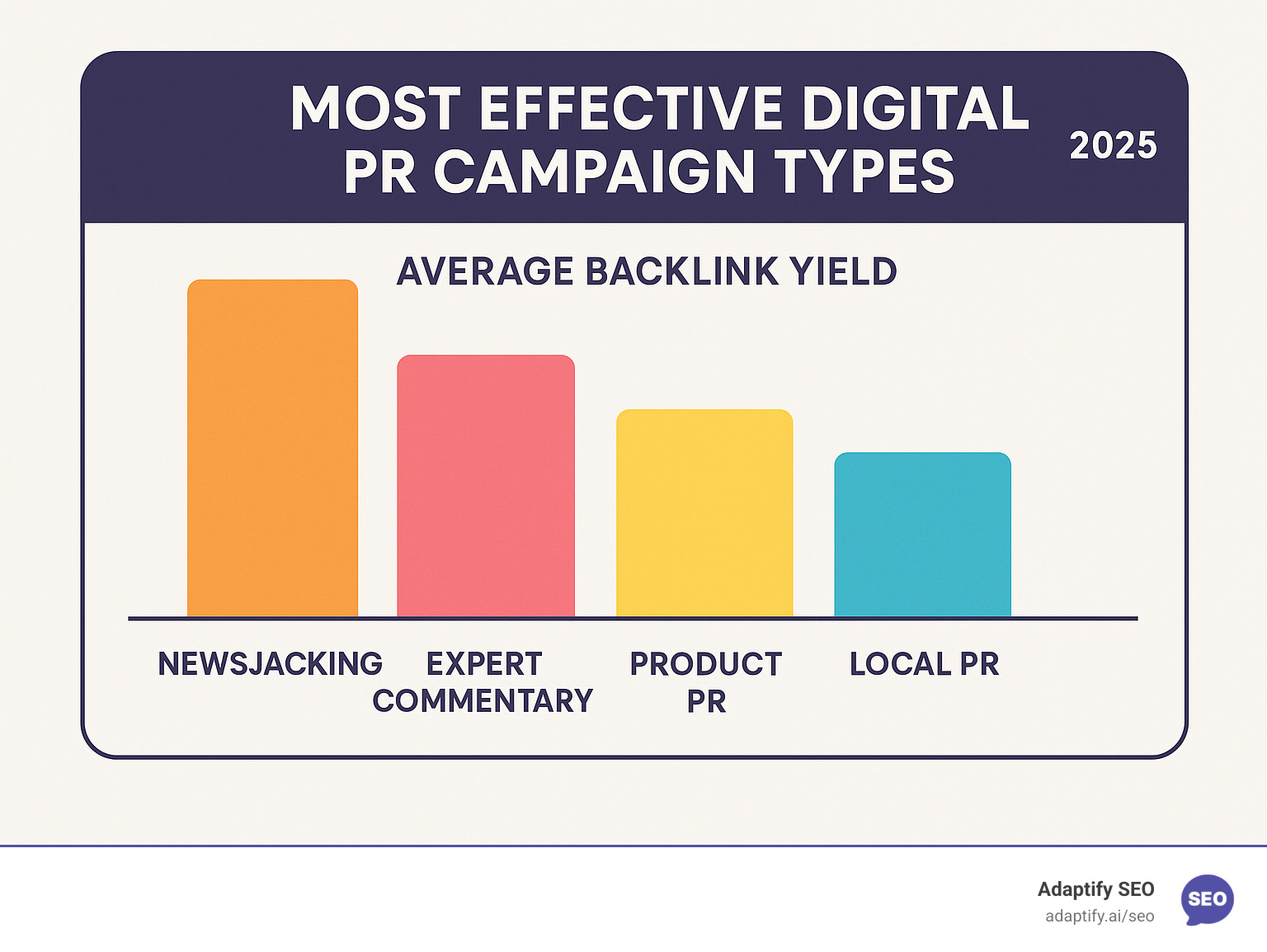
Newsjacking involves inserting your brand into breaking news stories by providing expert commentary or relevant data. The key is speed - you need to respond within hours of a story breaking to be included in follow-up coverage.
Effective Newsjacking Strategies:
The Trump Tax Fraud Timeline campaign picked up over 150 backlinks by providing a neutral, data-focused timeline during a highly covered news event. The campaign succeeded because it offered a factual resource that journalists could reference and link to.
Platforms like HARO (Help a Reporter Out) and Connectively connect journalists with expert sources. This creates opportunities to earn digital PR backlinks by providing valuable quotes and insights.
Building Expert Authority:
The research shows that positioning a trustworthy spokesperson increases the likelihood of earning links. Having credentialed experts (MDs, lawyers, industry veterans) provide commentary adds credibility that journalists value.
Product launches, regional studies, and community initiatives provide natural PR opportunities that can earn valuable digital PR backlinks.
Local PR Strategies:
Homebuyer.com's affordability index study earned coverage from local and national outlets by providing city-specific data that local journalists could use for their coverage areas.
The difference between successful and failed digital PR backlinks campaigns often comes down to outreach execution. You can have the most newsworthy content in the world, but if your pitch doesn't resonate with journalists, it won't get covered.
Quality trumps quantity when building your media list. I'd rather pitch 50 highly relevant journalists than blast 500 generic contacts.
Research Strategies:
Segmentation Approach:
Start with Tier 2 and 3 publications where you're more likely to get coverage, then use that coverage to pitch Tier 1 outlets.
The most effective pitches follow the inverted pyramid structure - lead with the most newsworthy information and provide supporting details afterward.
Pitch Structure:
Example Subject Lines That Work:
Keep pitches concise - journalists receive hundreds of emails daily. Embed visuals directly in the email so they can see your data without clicking through to attachments.
The most successful digital PR backlinks campaigns come from ongoing relationships with journalists, not one-off pitches.
Relationship Building Strategies:
Building rapport with journalists leads to consistent media coverage over time. When you become a trusted source, journalists will reach out to you for quotes and commentary.
As your digital PR backlinks campaigns grow, you need systems to maintain quality while increasing volume.
Scaling Strategies:
At Adaptify, we've developed automated workflows that help agencies scale their digital PR efforts while maintaining the personal touch that journalists value. The key is balancing efficiency with authenticity.
Tracking the right metrics ensures your digital PR backlinks campaigns deliver measurable business results, not just vanity metrics.

Primary Metrics:
Secondary Metrics:
The research shows that high-authority placements are typically considered 50+ domain authority. But don't ignore lower-authority sites with engaged, relevant audiences - they can drive valuable referral traffic and brand awareness.
Quantity Over Quality: Chasing hundreds of low-quality links instead of focusing on a few high-authority editorial placements. One link from The Wall Street Journal is worth more than 100 links from press release sites.
Weak Story Angles: Pitching generic company news instead of newsworthy insights. Journalists need stories that provide value to their readers, not promotional content.
Cold Blast Emails: Sending identical pitches to hundreds of journalists without personalization. This approach destroys your sender reputation and burns bridges with media contacts.
Ignoring Nofollow Links: While nofollow links don't pass direct SEO value, they still drive traffic and brand awareness. Don't dismiss coverage just because the link is nofollow.
Campaign Launch to Coverage: 4-6 weeks for initial media pickup Ranking Improvements: 2-3 months to see SEO impact Full Campaign ROI: 4-6 months for complete results
The research shows that successful campaigns often follow a distribution pattern: 2/10 have low impact, 5-6/10 generate moderate results (10-20 backlinks), and 2-3/10 go viral (100-300 backlinks).
This is why consistency matters more than individual campaign success. Run multiple campaigns to increase your chances of hitting those viral wins that dramatically lower your average cost per link.
Digital PR backlinks typically start influencing rankings within 2-3 months, but the timeline depends on several factors:
I've seen immediate traffic spikes from referral visits, but SEO impact usually compounds over time. The key is consistency - regular digital PR campaigns build momentum that accelerates results.
Absolutely. While nofollow links don't pass direct SEO value, they provide significant indirect benefits:
The research shows that nofollow links bring valuable visitors and brand visibility, even without direct SEO impact. Don't dismiss coverage just because the link is nofollow.
Essential Tools:
At Adaptify, we integrate these tools into automated workflows that track campaign performance and identify new opportunities without manual monitoring.
Digital PR backlinks represent the future of sustainable SEO growth. While traditional link building becomes increasingly risky and expensive, editorial links from trusted publications provide lasting value that compounds over time.
The results speak for themselves: IBM's data breach report earned 9,200 backlinks, creative campaigns like "The Future Gamer" secured 200+ high-authority links, and companies consistently see 5-10 point domain rating increases within six months of consistent digital PR efforts.
The strategic fit is clear - digital PR backlinks align with Google's quality guidelines while building genuine brand authority. Instead of chasing algorithmic loopholes, you're creating content that journalists and audiences actually value.
The long-term ROI extends beyond SEO metrics. Media coverage drives referral traffic, increases branded search volume, and builds the credibility that converts visitors into customers. When prospects see your brand featured in respected publications, it removes friction from the sales process.
For agencies looking to scale their SEO services, digital PR offers a competitive advantage that manual link building can't match. While competitors chase guest posts and directory listings, you can deliver high-authority editorial links that actually move the needle for client results.
Ready to transform your link building strategy with digital PR backlinks? Adaptify's automated SEO platform streamlines the entire process from campaign ideation to journalist outreach, helping agencies deliver better results with less manual effort.
Book a Demo to see how our AI-powered workflows can help you earn high-authority editorial links that drive real business results.

Discover how backlink automation software streamlines outreach, saves time, and scales your SEO strategy safely and effectively.
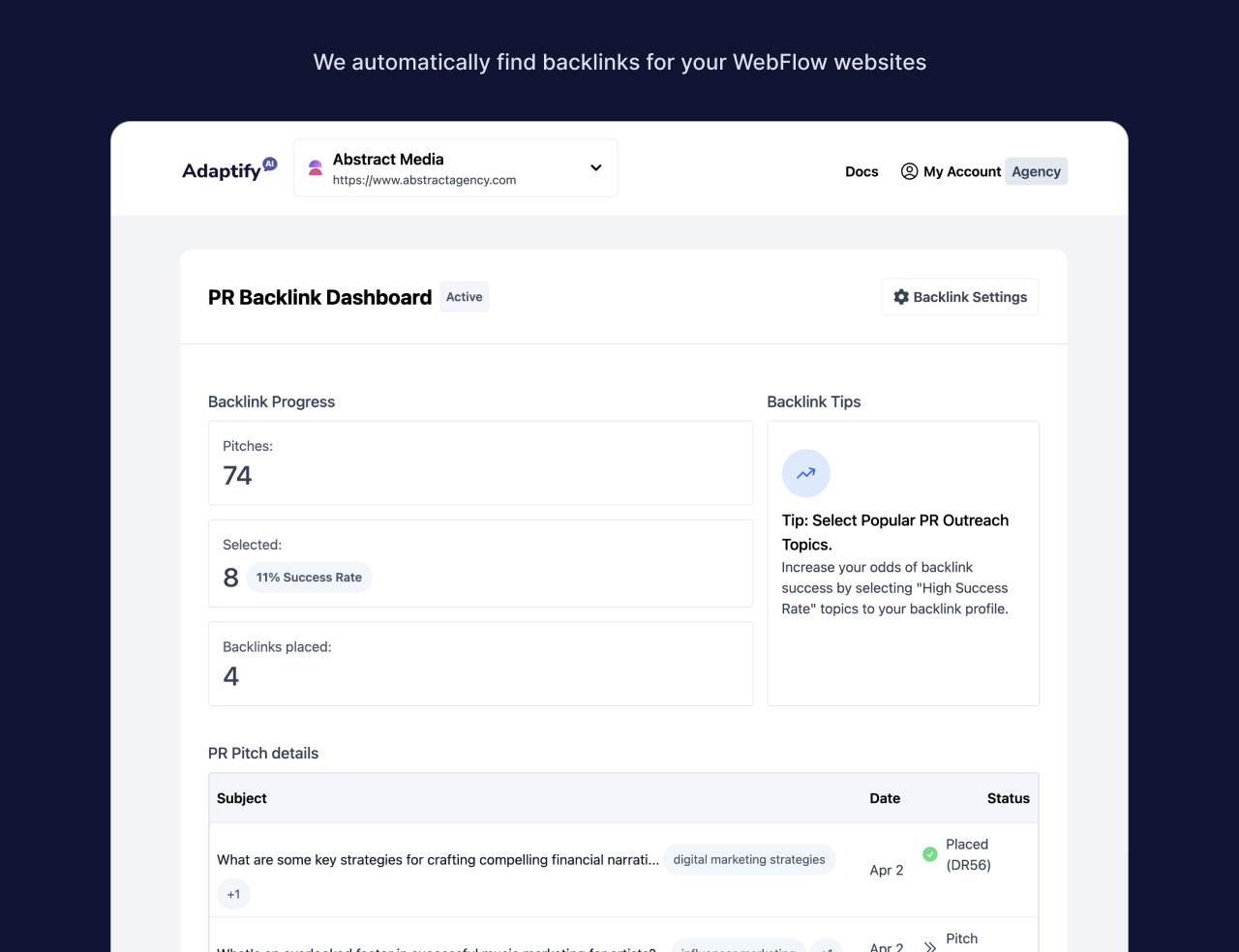
Track every backlink with an SEO backlink monitor—spot lost links fast, protect rankings, and boost ROI before competitors do.
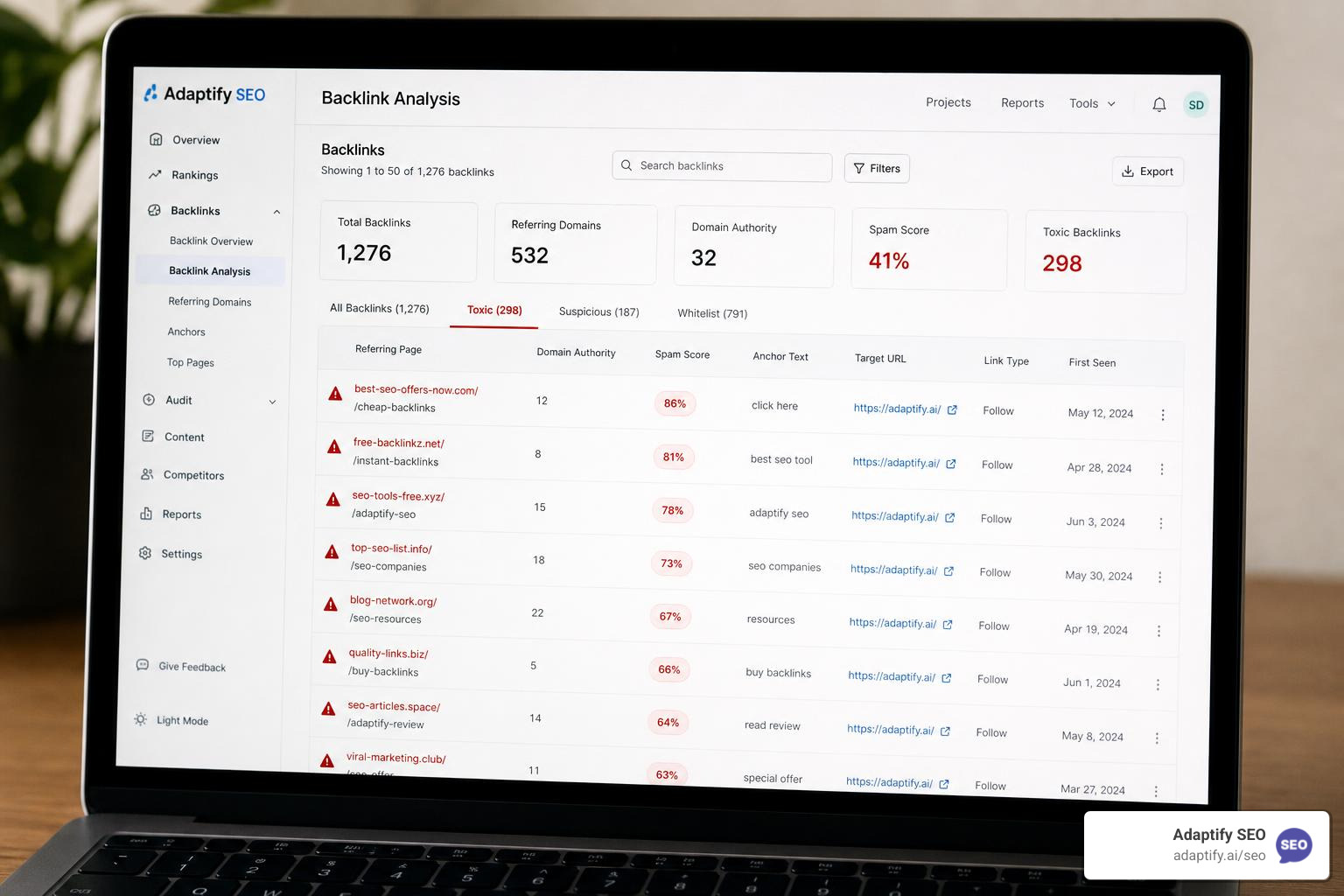
Learn how to disavow toxic backlinks, clean your profile, and recover rankings with this step-by-step guide.
Join 1,000+ agencies already delivering SEO and AI visibility from a single platform without increasing their headcount.Join 1,000+ agencies already delivering SEO and AI visibility from a single platform without increasing their headcount.