Find Your Perfect Match: A Roundup of Backlink Checkers & Monitoring Tools




An SEO backlink checker is a tool that reveals who links to your website and whether those links help or hurt your search rankings. Key features include:
Top Features to Consider:
Backlinks are a top Google ranking factor, acting as votes of confidence from other websites. More quality votes lead to higher trust and better rankings. However, a single link from a high-authority, relevant site can outweigh dozens of low-quality ones.
For agency owners, manually tracking backlinks across multiple client sites is incredibly time-consuming. You must monitor new and lost links, assess quality, and stay ahead of competitors, all while managing other deadlines.
I'm Hansjan Kamerling, and I've spent years helping agencies scale their SEO with smarter tools and automation. My experience shows that efficient SEO backlink checker workflows are crucial for agencies looking to grow without burning out their teams.
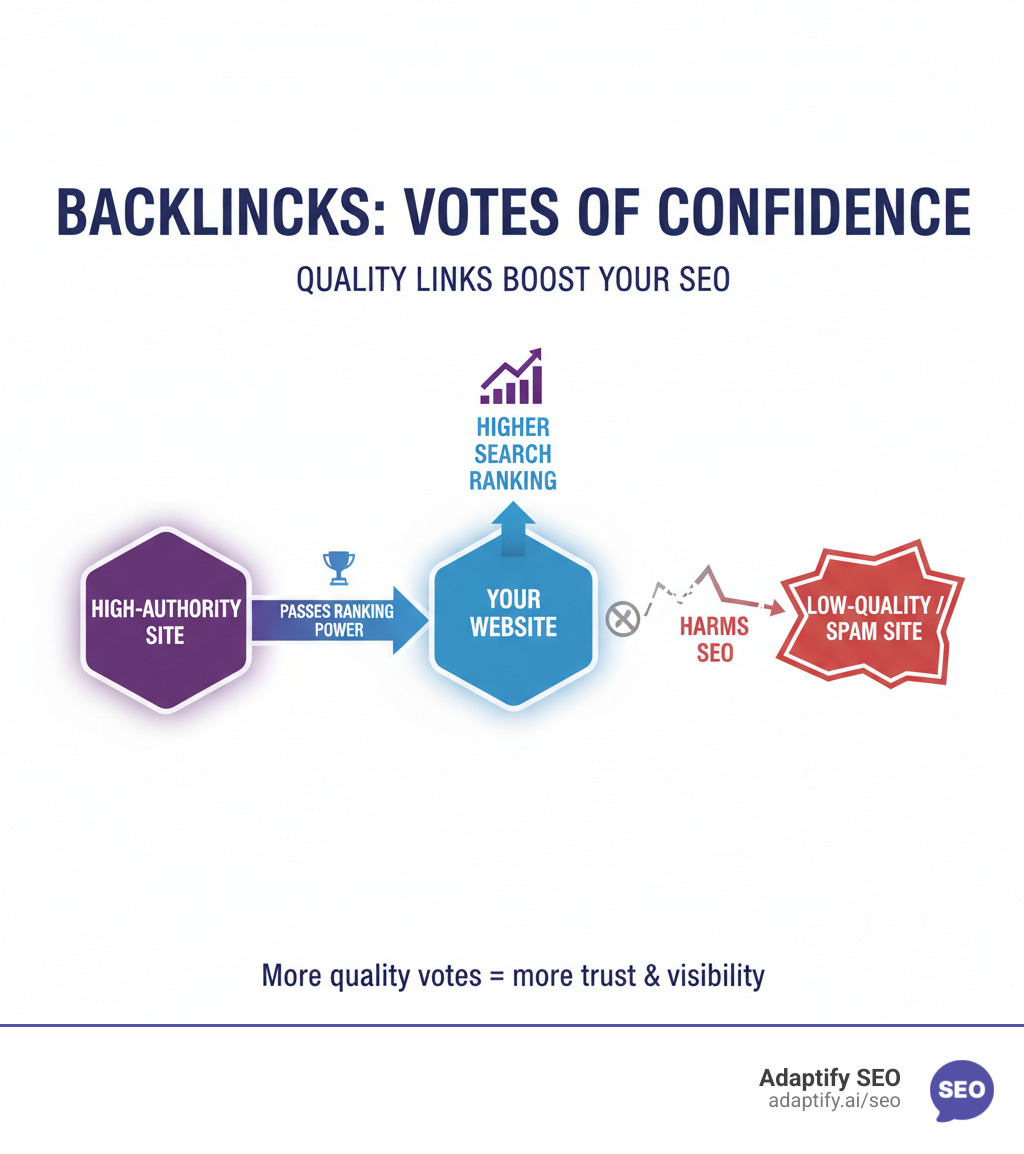
An SEO backlink checker uses web crawlers to scan the internet, map connections between pages, and build massive link indexes. The scale is staggering; Semrush, for example, maintains a database of 43 trillion links. Ahrefs operates the second most active web crawler after Google, while Majestic uses two indexes: a Fresh Index for recent links and a Historic Index dating back to 2006.
Data freshness is critical. Using outdated data is like navigating with an old map. Ahrefs updates its index every 15 minutes, providing near real-time visibility. This allows you to spot new opportunities, respond to lost links, and track competitor moves before they gain an advantage. Fresh data keeps you agile and informed.
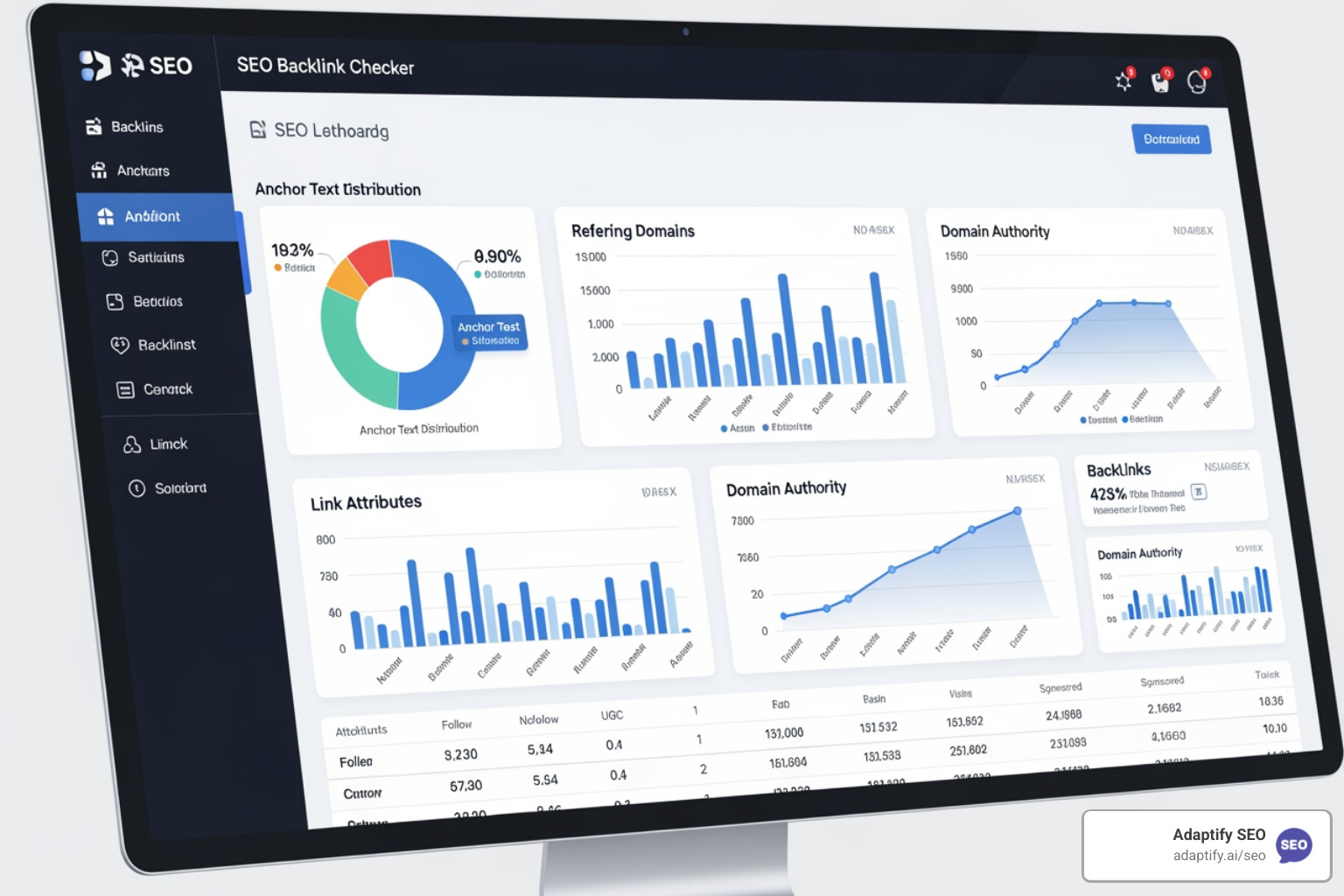
Understanding these key metrics transforms raw data into actionable intelligence.
Learning to distinguish between good and bad links is crucial. High-quality backlinks are typically relevant and come from high-authority websites. Editorial links placed within the main content are far more valuable than those in footers or sidebars. A diverse profile with links from many different domains also signals natural growth.
Conversely, toxic backlinks can trigger penalties. These often come from irrelevant or spammy sites (e.g., gambling, adult platforms) or are part of automated link schemes. An unnatural anchor text pattern, such as having 80% of your links use the same keyword, is a major red flag that violates Google's webmaster guidelines.
Regular backlink audits are essential. Just like weeding a garden, you must remove harmful elements so the good ones can flourish. Identifying and disavowing toxic links protects your site's reputation and rankings.
Should you use a free or paid SEO backlink checker? For agencies or serious SEO professionals, paid tools are non-negotiable for their comprehensive data. For beginners or those needing a quick check, free tools are a great starting point.
The main differences are stark. Paid tools offer massive index sizes (trillions of links), near real-time updates, and show all backlinks they find. Free tools provide a small snapshot. Paid versions also provide advanced metrics (like Trust Flow and toxicity scores), sophisticated link quality analysis, and deep competitor analysis features like link gap analysis. Finally, paid tools offer flexible export options crucial for agency reporting, while free tools are limited or have none. Paid tools typically cost $50-$200+ per month, while free tools are, of course, free.
If backlink analysis is central to your work, these three tools are the industry standard.
Ahrefs: Often considered the gold standard, with the second most active web crawler after Google and data updates every 15 minutes. Its Domain Rating (DR) is a trusted industry benchmark, and it uniquely shows estimated traffic to linking pages.
Semrush: A comprehensive SEO suite with a massive backlink database (43 trillion links). Its Authority Score provides a holistic view of a domain's SEO health, going beyond just backlinks. Its filtering capabilities are excellent for segmenting data.
Majestic: Stands out with its Trust Flow (quality) and Citation Flow (quantity) metrics, which offer a nuanced view of link authority. Its Historic Index, reaching back to 2006, is invaluable for long-term analysis.
Free tools are useful for quick spot checks or initial research, but they have limitations like daily query caps and showing only a small sample of backlinks (typically up to 100). You'll get basic metrics but miss advanced insights like toxicity scores or historical trends.
Ahrefs' Free Backlink Checker: Offers reliable data on DR, total backlinks, referring domains, and a top-100 backlink sample, powered by Ahrefs' massive index.
Seobility: A solid free option that shows the ratio of follow vs. nofollow links. It's limited to 5 queries per day, but the analysis is good.
SmallSEOTools Backlink Checker: Provides a detailed report for up to 100 links without requiring an account, making it ideal for quick, anonymous checks.
For agencies managing client work, investing in a paid tool is essential. The difference in data quality and strategic capability is substantial. However, free tools have a place in your toolkit for quick tasks.
Data from an SEO backlink checker is only valuable if you use it. Think of it as your strategic command center. Here’s how to turn insights into SEO wins.
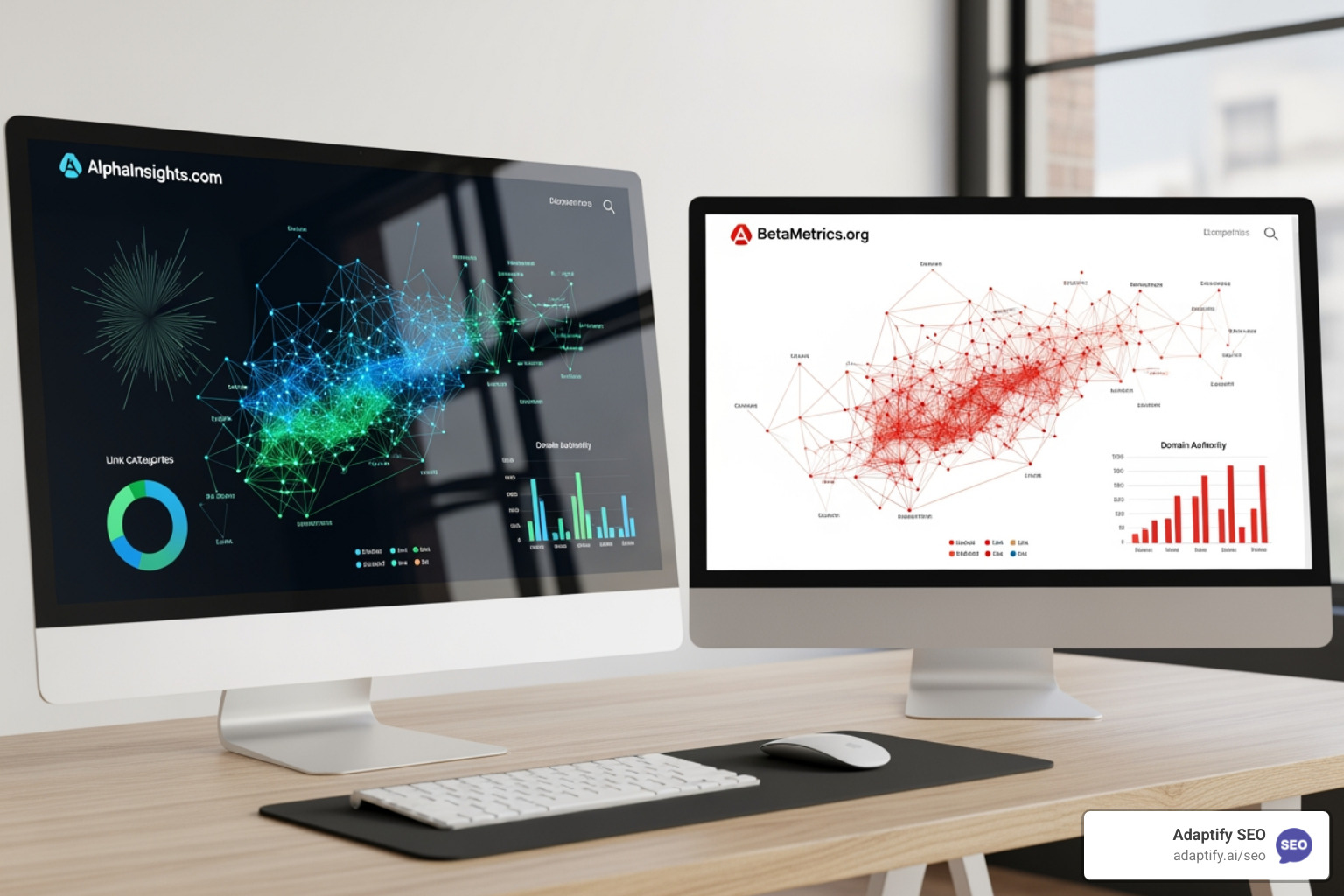
To level up your link-building, study what works for your competitors. A link gap analysis is the best place to start. This feature shows you which websites link to your competitors but not to you, providing a pre-qualified list of outreach targets.
Next, analyze your competitors' top pages by backlinks. This reveals what type of content (guides, research, tools) earns links in your industry, informing your own content strategy. You can create even better versions of their successful content.
Also, watch their anchor text patterns and the rate at which they gain new referring domains. A steady growth pattern indicates a sustainable strategy worth studying, while sudden spikes could signal a viral hit or risky tactics.
Your backlink checker is also a roadmap for link acquisition. Here are some proven strategies:
Guest Posting: Identify high-authority blogs in your niche using your checker. Focus on building genuine relationships and sharing real expertise.
Broken Link Building: Find authoritative sites with broken (404) links. Reach out to the site owner, report the broken link, and suggest your relevant content as a replacement. It's a win-win.
Link Reclamation: Use your checker's historical data to find valuable links you've lost. A friendly email is often all it takes to get them restored.
The most powerful strategy is creating link-worthy content. When you produce the definitive resource on a topic, others will link to it naturally. For agencies offering backlink services, this strategic, quality-focused approach is key to building a client's authority.
Here are answers to common questions about SEO backlink checker tools.
There's no single answer. The time it takes depends on crawler frequency and the popularity of the linking website. A link from a major news site might appear in a day, as these sites are crawled constantly. A link from a smaller blog could take weeks.
Even after a crawler finds the link, it needs to be processed and added to the tool's database. My advice: give new links at least a week or two to appear in paid tools and potentially longer in free ones. Focus on building more links rather than obsessively refreshing the dashboard.
Each tool builds its own map of the internet, so no two are identical. This is because they use proprietary crawlers that operate on different schedules and priorities. Index size also varies, and each tool has different data filtering methods, sometimes excluding what they deem low-quality links.
Because their databases update at different speeds, you'll see discrepancies. Don't stress over the differences. Pick one primary SEO backlink checker and stick with it to track trends over time. The trend (gaining or losing domains) is more important than the absolute number.
Referring domains matter far more than total backlinks. Think of it this way: ten links from one website is still just one "vote" of confidence. Ten links from ten different websites are ten unique votes.
Quality and diversity are what search engines value. Each new referring domain signals that another unique source finds your content valuable. A profile with links from many different types of sites (blogs, news, educational) looks far more natural and legitimate to Google than one with links from just a few sources.
When auditing your site or planning your strategy, always prioritize the referring domains metric. It's your north star for building a powerful link profile.
We've explored what an SEO backlink checker does, how to interpret its data, and how to use it for strategic wins. Now, which tool is right for you?
For beginners or those running a small site, free tools like Ahrefs' Free Backlink Checker are perfect for learning the ropes. However, for agencies or serious SEO campaigns, free tools are a bottleneck. The depth, freshness, and analytical power of paid tools are essential for professional work.
Paid platforms like Ahrefs, Semrush, and Majestic provide the comprehensive competitor analysis, real-time monitoring, and historical data needed to build great campaigns. The right tool depends on your goals and budget, but remember: even the best tool requires strategic thinking to be effective.
The real magic happens when you combine quality data with a smart strategy, building relationships and creating content that deserves to be linked to.
For agencies looking to streamline this entire process, Adaptify SEO takes backlink analysis and acquisition off your plate. We handle everything from strategy and content creation to PR link building with intelligent automation, freeing your team to focus on client relationships and growth.
Ready to level up your backlink strategy and reclaim your time?
Stop being invisible: discover what the best local SEO strategies for small businesses are to dominate Google Maps, reviews, and AI search...
Master localized SEO to rank your local business in Google Maps and drive more in-store visits.
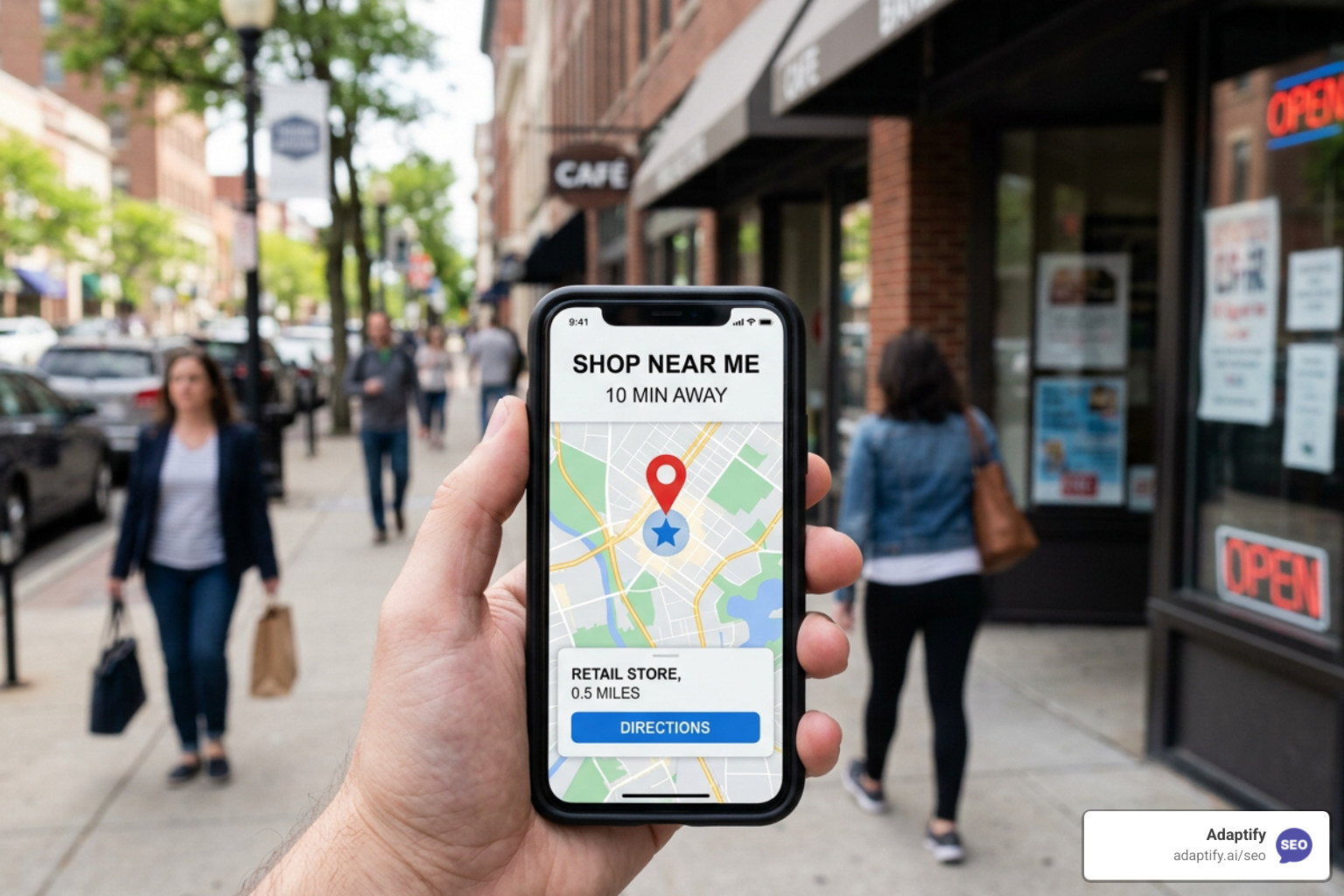
Master local retail SEO to drive foot traffic from Google with proven strategies for GBP, reviews, and AI search optimization.
Join 1,000+ agencies already delivering SEO and AI visibility from a single platform without increasing their headcount.Join 1,000+ agencies already delivering SEO and AI visibility from a single platform without increasing their headcount.