Get Seen Where It Counts: Adaptify Reveals Google’s Indexing Priorities
Hansjan Kamerling
Feb 25
Hello there,
July might be coming to an end, but your opportunity to rank is just starting to heat up.
This week, we’re diving into how Google pinpoints the real heart of your content and why a few simple shifts can make all the difference in getting indexed. We’re also exploring how bloggers and agencies can thrive in the age of AI Overviews by focusing less on chasing traffic and more on building brand visibility that lasts.
So before you flip the calendar, let’s make sure your SEO strategy doesn’t get stuck in last season.
⛱️ Ready to get your feet wet with Adaptify? Start a 7-day free trial, or book a demo to discover how easy it is to wow your clients and close more deals—faster! Get started today! ⛱️

Google’s Centerpiece Content and the Crawl Budget Trap
Google is getting sharper about what it considers “worth indexing” and it all comes down to where and how content appears on the page.
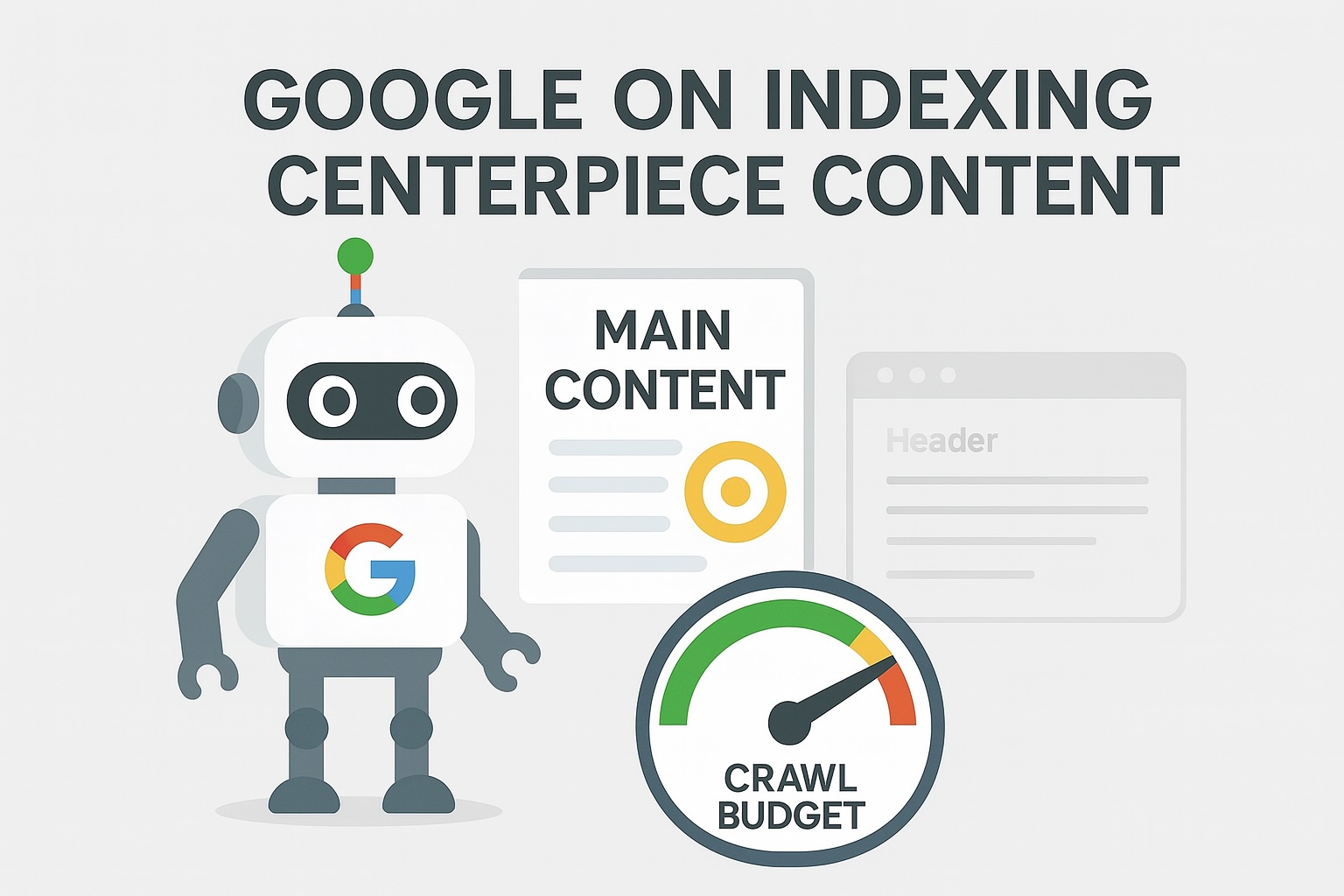
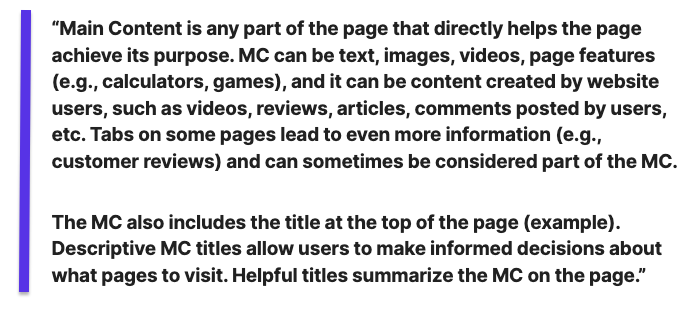
At the recent Search Central Deep Dive event in Asia, Google’s Gary Illyes explained that their systems focus heavily on identifying what he calls “centerpiece content” or main content. This is the main body of the page, AKA the part that directly serves the purpose of the page and offers genuine value. Words in headers, footers, or sidebars? They simply don’t carry the same weight. Even if your keywords are strong, they won’t rank if they’re buried in low-importance areas.

Illyes also noted that Google uses positional analysis to determine where your content lives on the rendered page, assigning more weight to well-placed terms. Using semantic HTML to define sections like
While getting your main content front and center is key, avoiding misleading or empty pages is just as important. In a follow-up session covered by Search Engine Journal, Illyes confirmed that soft 404s (pages that return a “200 OK” status but offer no real content) are considered a critical error. These types of pages don’t just fail to rank; they actively waste your site’s crawl budget, potentially delaying the indexing of pages that should be surfaced.
That’s why Adaptify’s automated quality checks are built with these guidelines in mind. Every article we produce is designed to be crawl-efficient and free of empty content traps. This ensures that your clients’ sites stay clean, indexable, and visible without wasting precious crawl budget.
If you haven’t done so recently, it’s worth checking your clients’ sites in Search Console for soft 404 warnings and making sure the right content is positioned where it counts.
🚧 Something new is quietly brewing…
We’re testing a new integration that lets your prospects generate a white-labeled Adaptify proposal, pay, and get started—all from a single CTA on your agency’s site. No demo. No hand-holding. Just hands-free onboarding.
Our first two rockstar agencies are already working closely with us to shape the experience (huge thanks to them). While we’re not opening this up broadly, we are building a short list of agencies who are ready to move fast when the time comes.
If you’ve got 10–20 clients in mind, are ready to move quickly, and are willing to work hand-in-hand with us to get this set up (this won’t be plug-and-play at first), reply and let Bethany know. It’s invite-only, and we’re keeping the list tight.
Where People Are Finding Answers Now - The Age of Overviews
Search isn’t what it used to be, and that’s not a bad thing.
Generative tools like Gemini, ChatGPT, and Perplexity are now helping users find answers faster—often by pulling summaries, quotes, and tips straight from published content. That means the path to visibility has shifted. It’s no longer just about earning a top-10 spot; it’s about becoming part of the answer before anyone even clicks.
As Casey Markee explains in a new guide on Search Engine Land, the creators who thrive in 2025 aren’t resisting AI, they’re building for it. That means scannable formatting, strong H2s, clear structure, and content that offers something unique. He argues that content shouldn’t be built to rank, it should be built to serve. That’s what AI systems are looking for: credible, modular insights they can summarize and cite.
The old formula of long intros, keyword-heavy filler, and SEO-flavored fluff? That’s what’s getting dropped from rankings and completely ignored in AI Overviews.
Instead, Markee recommends structuring content in a way that trains AI to recognize value:
Use subheadings that mirror real user questions.
Add “about this author” schema or structured trust indicators.
Focus on originality and firsthand expertise, not just what everyone else is saying.
Make content modular so it can be pulled into snippets, summaries, and carousels.
This is exactly where Adaptify content thrives. Because our content uses LLMs to enhance not only the content but also formatting and flow, the articles we produce naturally align with what AI systems understand best. It’s structured in a way that’s easy to scan, cite, and reuse, which means more brand visibility for your clients, even when users never click through.
And here’s the best part: if you’re ranking in the top 25 for a keyword with Adaptify content, chances are high you’re already showing up in AI Overviews. Our system doesn’t just optimize for humans, it speaks the language of search engines and the AIs reading them.
So whether you’re chasing traditional rankings or long-term brand recognition, the strategy is the same: write with clarity, trust signals, and a point of view. And when you pair that with smart automation? You’re not just keeping up, you’re staying visible in all the places that matter.
💡 Agency SEO Tip of the Week: Structure your content like it’s going to be quoted.
Strong H2s, short intros, and clear answers help AI tools (and Google) pull your content into Overviews and snippets. The easier it is to scan, the more likely it is to be seen, even if users never click. Clean structure doesn’t just help rankings, it boosts brand visibility across the entire search experience.

Adaptify Training Corner: Updated Wording for Article Approvals
You asked and we listened.
A few of you mentioned that the article approval settings were a bit confusing, so we’ve made some wording changes to help clarify how your publishing workflow actually works.
The functionality hasn’t changed. You still have four core approval options:
Auto-publish everything
Client approval only
Agency approval only
Both agency and client approval
What’s new is the way these options are explained in your dashboard and client portal, especially around how the agency and client layers interact. For example, if both you and your client need to approve content, the article won’t even show up in the client’s portal until you approve it first and there is now a warning explaining that.
The goal? Fewer publishing delays, smoother handoffs, and a whole lot less guessing about what happens next.
If you're not sure which setup works best for your team or want help customizing it, just ask, we're happy to walk you through it.
Goodbye July - Hello Hotter SEO
That’s a wrap on July and whether you’re fine-tuning crawl efficiency, testing AI visibility strategies, or just trying to get client content out the door faster, we’re here to help you stay one step ahead.
Have questions, feedback, or want to talk through your strategy? Schedule a demo or visit Adaptify.ai to see how Adaptify can support your agency.
Until next week,

Best,
Dominic, Hans, Bethany
Automate your Agency (by Adaptify SEO)