Local SEO Strategies: Your Ultimate Guide to Winning Nearby Customers


Local SEO strategies are the techniques businesses use to appear prominently when nearby customers search for their products or services. Here are the most effective strategies that deliver results:
Essential Local SEO Strategies:
The numbers tell the story: 46% of all Google searches are looking for local information, and 92% of searchers choose a business from the first page of local results. Even more compelling - 72% of consumers visit a store within five miles after searching locally.
For marketing agencies managing multiple clients, these statistics represent massive opportunity. But manual local SEO work is time-consuming and error-prone. You're juggling citation audits, review monitoring, schema markup, and local keyword tracking across dozens of client accounts.
The challenge isn't knowing what to do - it's executing consistently at scale while maintaining quality. One missed citation update or delayed review response can hurt a client's local rankings. Meanwhile, your competitors are automating these processes and winning more business.
This guide breaks down proven local SEO strategies that work in 2024, plus practical ways to streamline implementation across your entire client portfolio.
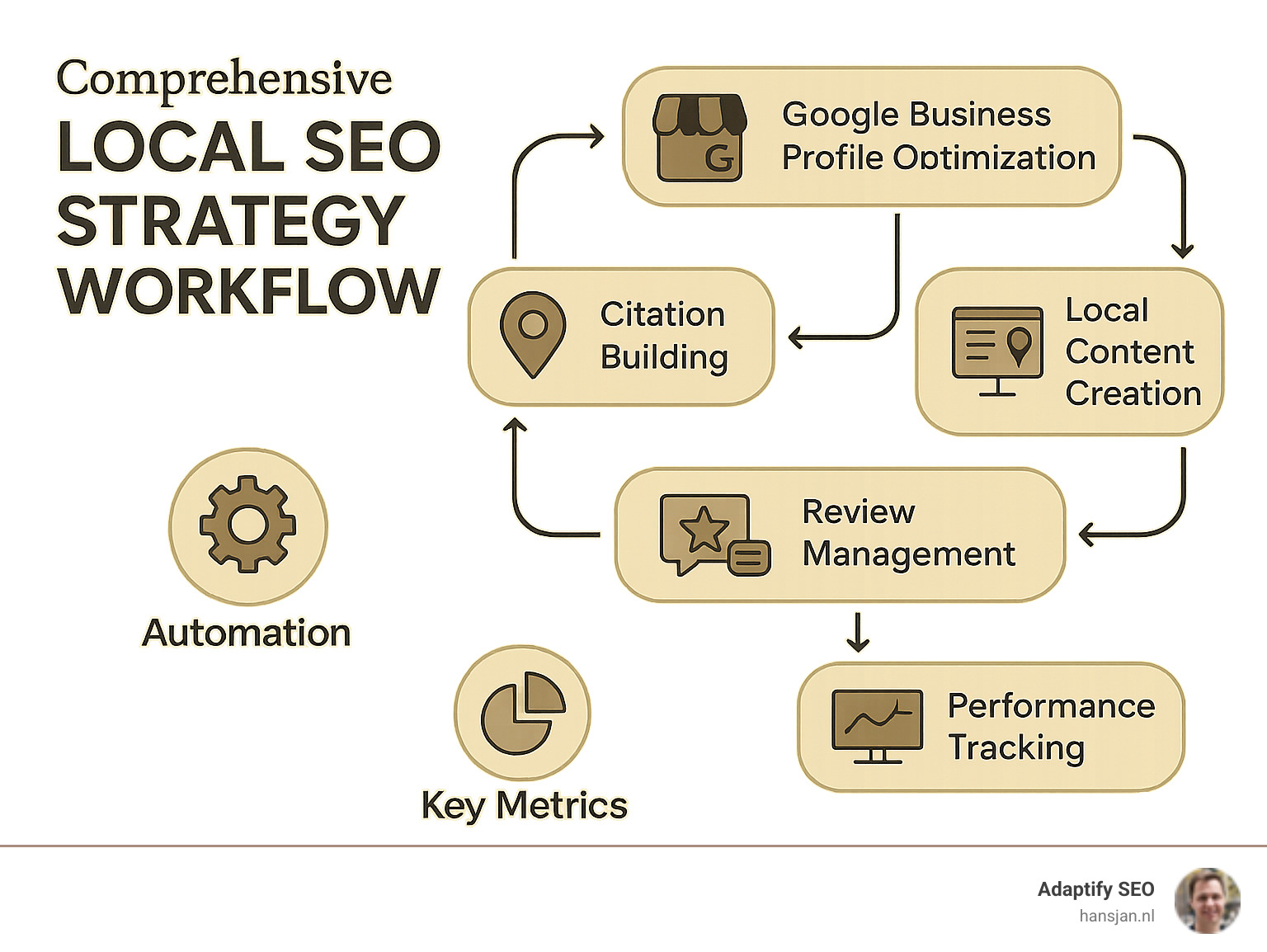
In this comprehensive guide, we'll cover everything you need to master local SEO strategies. You'll find the exact tactics that help businesses dominate local search results, from quick wins that deliver immediate results to advanced strategies for long-term success.
We'll provide a clear roadmap for implementing these strategies across multiple client accounts, plus practical automation tips that save hours of manual work.
Think of local SEO strategies as your digital storefront window. While traditional SEO is like putting up a billboard on a busy highway hoping someone notices, local SEO is more like having a friendly conversation with your neighbor who's asking for restaurant recommendations.
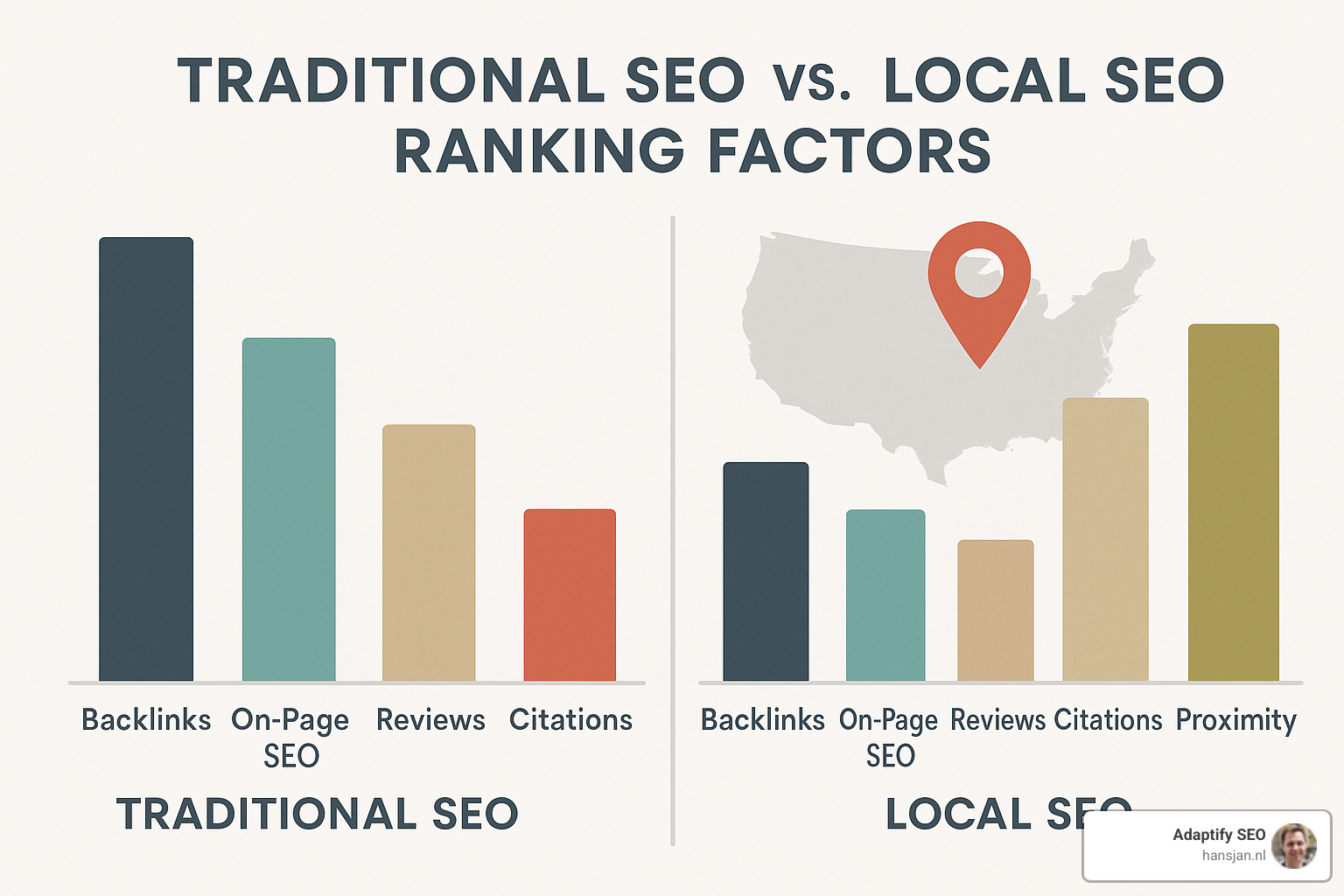
The difference runs deeper than just geography. Traditional SEO focuses on broad keyword targeting and building domain authority across vast audiences. Local SEO, on the other hand, zeroes in on geographic relevance and proximity signals that matter to people in your immediate area.
Here's where it gets interesting: 61% of all Google searches happen on mobile devices, and "near me" searches have skyrocketed by 400%. These aren't casual browsers killing time - they're people with car keys in hand, ready to visit your business.
Voice search adds another layer to this puzzle. With 40% of adults using voice search daily, you're dealing with customers who speak to their phones like they're talking to a friend. They're not typing "Italian restaurant downtown Chicago" - they're saying "Hey Google, where can I get good pasta near me?"
Local SEO is essentially the art of showing up when your neighbors are looking for what you offer. Instead of casting a wide net across the internet, you're becoming the go-to choice in your specific corner of the world.
The numbers tell a compelling story about why this matters so much. 75% of mobile searches with local intent lead to in-store visits within 24 hours. These aren't window shoppers - they're customers with credit cards ready, looking for solutions right now.
For small businesses, this levels the playing field in a beautiful way. You don't need to outspend the big corporations on national advertising. You just need to be the best answer for someone searching in your neighborhood.
Local intent shows up in several ways. Sometimes it's obvious, like when someone searches for "dentist in London." Other times it's implied - when someone searches for "pizza delivery," Google knows they're not planning a cross-country trip for dinner. Then there are those "near me" searches that have become second nature, plus voice queries where people ask their phones "Where's the nearest pharmacy?" like they're talking to a helpful local.
Google evaluates local businesses using three main factors that work together like a three-legged stool: relevance, distance, and prominence. Understanding these helps you focus your efforts where they'll make the biggest difference.
Relevance is Google's way of asking "Does this business actually match what the person is looking for?" This includes your business category, the services you offer, and how well you've optimized your online presence with the right keywords.
Distance seems straightforward - how far is your business from the searcher? While you can't pick up your building and move it closer to customers, you can optimize for nearby neighborhoods and service areas through smart content creation and local citations.
Prominence is where things get really interesting. This measures how well-known your business is, both online and in the real world. Google looks at your online reviews and their quality, backlinks from respected local websites, citations across directories, and even your social media engagement.
Don't think local SEO means traditional SEO factors disappear. Backlinks still account for 29% of local ranking factors, and on-page SEO represents 24% of the equation. The difference is these factors work through a local lens, emphasizing geographic relevance and local authority signals rather than just raw domain power.
Think of your Google Business Profile (GBP) as your business's digital storefront window. When potential customers search for services like yours, this profile is often their first impression of your business. Getting it right can be the difference between a customer choosing you or scrolling past to your competitor.
The stakes are high here. Local SEO strategies for GBP optimization directly impact your visibility in Google's map pack - those coveted top three spots that appear above regular search results. Most local searches trigger this map pack, making it prime real estate for your business.
Getting started is straightforward, but the details matter more than you might think. Head over to business.google.com and claim your listing. Google will need to verify you're the real business owner, usually by mailing a postcard with a verification code to your business address.
Here's where many businesses stumble: NAP consistency. Your Name, Address, and Phone number must match exactly everywhere online. We're talking character-for-character precision. "Street" versus "St." might seem trivial, but Google notices these inconsistencies and they can hurt your rankings.
Don't rush through the setup process. Every empty field is a missed opportunity. Fill out your business categories carefully - choose the most specific primary category that describes your main service, then add relevant secondary categories. Upload photos of your storefront, your team at work, and your products or services in action.
The photo game is serious business. Profiles with photos get 42% more direction requests and 35% more website clicks. That's not just vanity metrics - those are potential customers walking through your door.
An active Google Business Profile tells Google you're a legitimate, engaged business owner. Think of it as your business's social media presence, but one that directly impacts your search rankings.
Google Posts are your chance to stay visible and relevant. Share what's happening at your business - new services, special offers, community events, or even behind-the-scenes glimpses of your team. These posts expire after seven days for events and offers, so keep them fresh.
The Questions & Answers section often gets overlooked, but it's pure gold for local SEO. Monitor it regularly because customers will ask questions whether you're paying attention or not. Better to control the narrative by providing helpful, detailed answers yourself.
Don't forget to showcase what you actually sell or offer. Add your products and services with clear descriptions and photos. For service businesses, list everything you do - you never know what specific service might be exactly what someone's searching for.
Reviews are the modern word-of-mouth, and they pack a serious punch in local search rankings. 85% of consumers trust online reviews as much as personal recommendations. That's not just about trust - Google uses review signals to determine how prominent your business should be in search results.
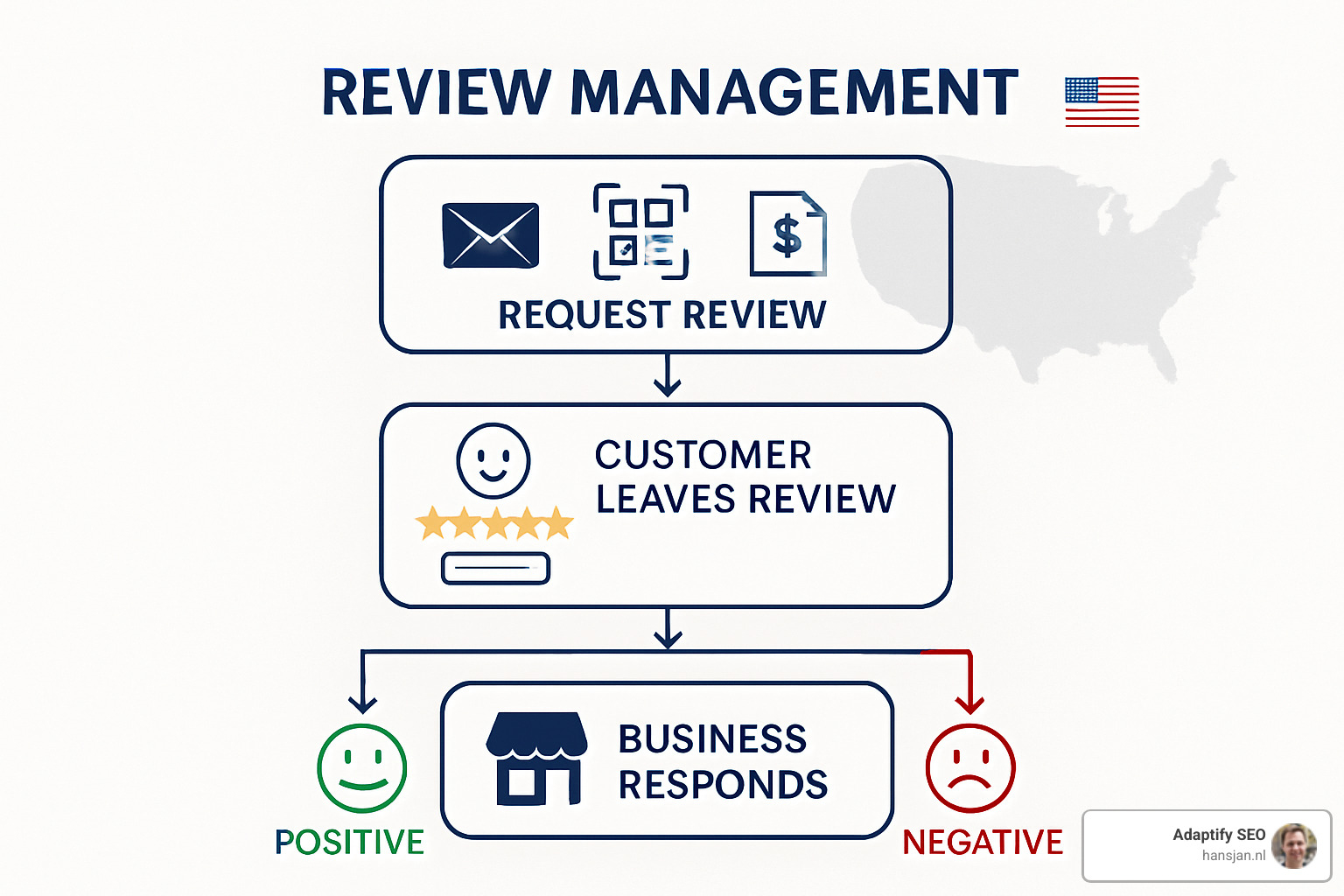
The key to ethical review generation is timing and authenticity. Ask for reviews when customers are genuinely happy - right after you've solved their problem or delivered great service. A simple "If you were happy with our service today, we'd appreciate a quick review on Google" works wonders.
Make it easy for them. Send follow-up emails with direct links to your review page, or create QR codes they can scan with their phones. Just remember - never offer incentives for reviews. Google's guidelines are clear on this, and violations can hurt your rankings.
Responding to reviews might feel awkward at first, but it's crucial for both SEO and customer relationships. Every response shows potential customers how you handle feedback, both good and bad.
For positive reviews, keep it personal. Thank customers by name when possible, mention the specific service they used, and invite them back. For negative reviews, respond quickly and professionally. Acknowledge their concerns, offer to make things right, and try to move the conversation offline to resolve the issue.
Speed matters here. Businesses that respond within 24 hours see better engagement and improved customer sentiment. It shows you're actively managing your business and care about customer experience.
Your website forms the backbone of your local SEO strategies. While your Google Business Profile gets you into the map pack, your website competes for those valuable local organic listings that appear below the map results.
Here's what makes local website optimization different: your visitors are already close to making a purchase decision. They've searched for something specific in their area, which means they're ready to pick up the phone or walk through your door. 61% of these searches happen on mobile devices, so your site better load fast and work perfectly on small screens.
Think of your website's NAP information (Name, Address, Phone) as your digital business card. It needs to appear consistently everywhere, especially in your website footer and contact page. Use actual HTML text instead of hiding this information in images - search engines need to read it clearly.
Your title tags and meta descriptions should sound like a local person wrote them. Instead of "Best Pizza Restaurant" try "Best Pizza in Central London | Tony's Pizzeria." This simple change helps both search engines and real people understand exactly where you're located and what you offer.
When writing your main headings, weave in those local keywords naturally. "London's Premier Digital Marketing Agency" works much better than generic "Digital Marketing Services" for local search visibility.
The content itself needs a local flavor. Mention neighborhood names and local landmarks that your customers actually know. Include your local phone number throughout the site, not just on the contact page. Share stories about your involvement in community events. Feature testimonials from local customers who mention their specific areas.
Schema markup might sound technical, but it's just a way to help Google understand your business better. Use Google's Structured Data Markup Helper to add LocalBusiness schema that includes your business name and address, phone number and hours, accepted payment methods, price range, review ratings, and geographic service areas. This extra information can help your business stand out in search results.
If you serve multiple areas, each location deserves its own dedicated page. This prevents your different service areas from competing against each other for the same search terms.
Each location page needs to earn its place on your website. Create unique content for each location that actually helps visitors. Include the specific address and local phone number, then embed a Google Map showing exactly where you're located. Add location-specific photos and testimonials that feel authentic to that area.
Go beyond the basics by describing local landmarks and directions. Mention where people can park or which bus stops are nearby. These details show both Google and potential customers that you truly understand the local area.
Your localized content should feel like it comes from someone who actually lives and works in that community. Write neighborhood guides that highlight local resources your customers might need. Cover local events your business participates in. Create area-specific service information that addresses unique local needs. Share local customer success stories that mention specific neighborhoods or challenges unique to that area.
The key is avoiding duplicate content across your location pages. Each page should offer genuine value while maintaining your consistent brand voice.
Building prominence in local search goes beyond just having a website and Google Business Profile. You need to establish your business as a trusted, well-known entity across the broader web. This means creating consistent business listings, earning quality backlinks from local sources, and actively engaging with your community.
Here's something that might surprise you: the average small business has fewer than four quality, non-directory backlinks. This presents a huge opportunity. Even modest link building efforts can dramatically boost your local search rankings because the competition is relatively light.
Think of prominence as your business's reputation in the digital world. Google looks at how often you're mentioned, where those mentions come from, and whether other reputable sites link to you. The more credible sources that reference your business, the more Google trusts that you're a legitimate, established local business.
Citations are simply online mentions of your business name, address, and phone number. They might seem basic, but they're incredibly powerful trust signals that help Google verify your business exists and operates where you claim it does.
Building citations strategically makes a real difference in your local SEO strategies. Start with the big data aggregators like Data Axle, Localeze, and Foursquare. These platforms feed information to dozens of other directories, so getting listed here creates a ripple effect across the web.
Next, focus on industry-specific directories that matter to your business type. A restaurant should be on Yelp and OpenTable, while a contractor might prioritize Angie's List and HomeAdvisor. Don't forget local business directories for your city or region, plus claiming your profiles on major social media platforms.
Consistency becomes absolutely critical when building citations. Even tiny variations in how you write your business name or address can confuse Google and actually hurt your rankings. If your Google Business Profile shows "Smith & Associates LLC," use that exact format everywhere else, not "Smith and Associates" or "Smith & Assoc."
Use the same phone number format across all platforms. Stick with the same website URL structure. These details matter more than you might think because Google uses this information to verify that all these listings refer to the same business.
Regular citation audits help you stay on top of your listings. Search for your business name online and see what comes up. You'll often find citations you didn't create, sometimes with outdated or incorrect information. Claim these listings when possible and update the details to match your current information.
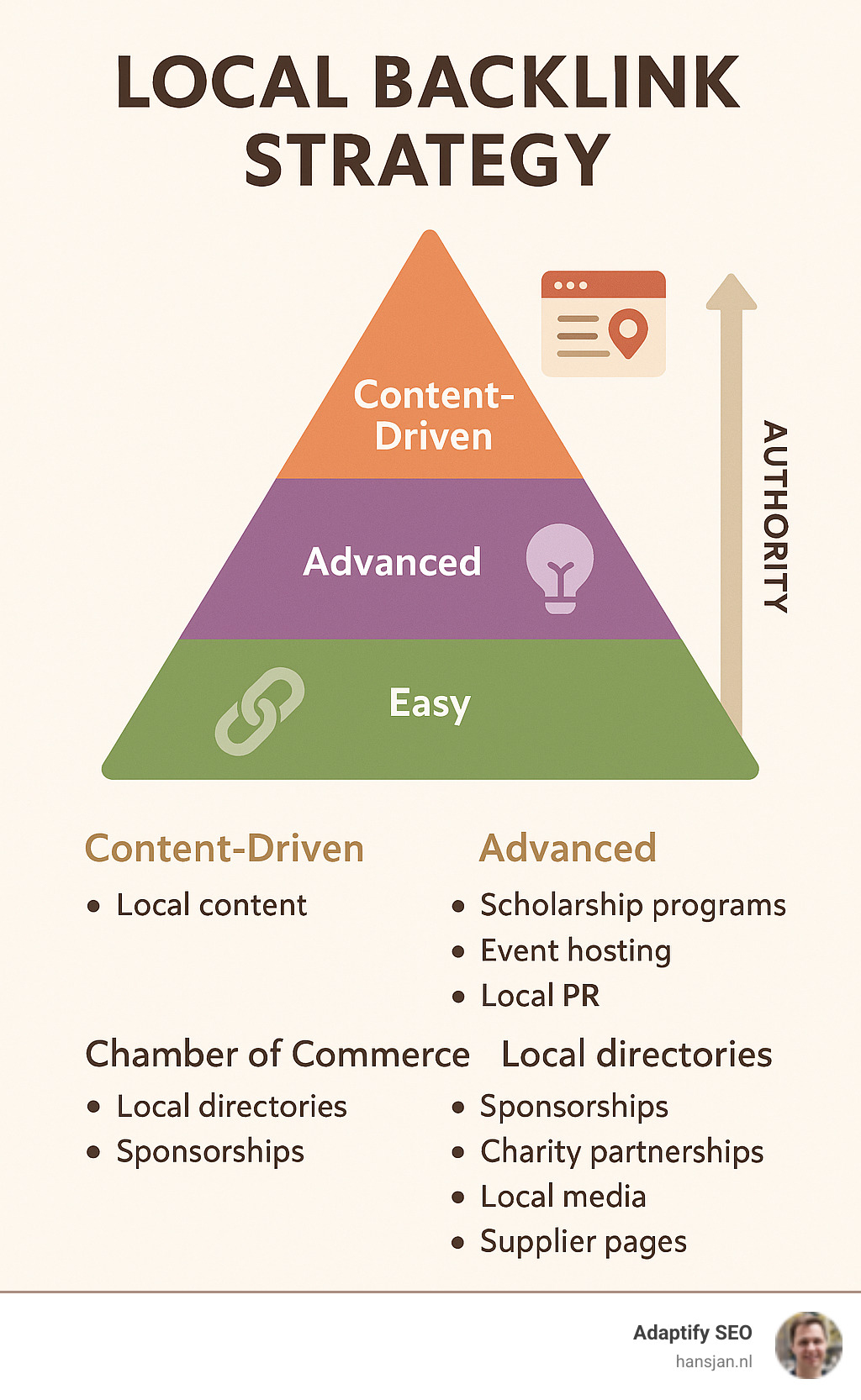
Local backlinks carry extra weight in search rankings because they demonstrate genuine community connections and local authority. A link from your city's chamber of commerce tells Google something meaningful about your business that a generic directory link simply can't.
Chamber of Commerce membership often provides one of the easiest high-quality local links you can get. Most chambers include member directories on their websites, and these organizations typically have strong local authority. The membership fee usually pays for itself through improved search visibility alone.
Local business associations in your industry offer similar opportunities. Whether it's a restaurant association, contractors' guild, or professional services group, these memberships often include website listings and can lead to additional networking opportunities.
Community event sponsorships create natural link-building opportunities while supporting your local area. Sponsor a little league team, local festival, or charity run. These events typically list sponsors on their websites, and you'll often get mentioned in local media coverage too.
Local media relationships can generate some of the most valuable links you'll find. Develop newsworthy stories about your business, community involvement, or industry expertise. Local newspapers, radio stations, and community blogs are always looking for local content, and they provide high-authority backlinks when they feature your business.
Quality trumps quantity every time. A single link from your local newspaper or a respected community organization carries far more weight than dozens of low-quality directory listings. Focus your efforts on building relationships with reputable local sources rather than chasing every possible link opportunity.
Measuring your local SEO strategies success requires tracking different metrics than traditional SEO. While national campaigns focus on broad keyword rankings and organic traffic, local SEO success shows up in phone calls, direction requests, and customers walking through your door.
The most telling metric? Phone calls and direction requests from your Google Business Profile. These represent high-intent customers ready to buy, not just browse. When these numbers increase consistently, you know your local optimization efforts are working.
Other critical performance indicators include local search rankings in both map pack and organic results, Google Business Profile views and engagement, website traffic from local searches, and review quantity with positive sentiment. Don't forget citation consistency scores - even small NAP inconsistencies can drag down your local visibility.
Google Search Console remains your foundation for understanding local search performance. Pay special attention to geographic performance data, which shows exactly where your traffic comes from. The mobile usability reports become even more critical since most local searches happen on phones.
Look for local keyword rankings and click-through rates in Search Console. If you're ranking well but getting low clicks, your titles and descriptions might need local optimization. Core Web Vitals scores matter tremendously for local searches since mobile users expect lightning-fast results.
Google Business Profile Insights tells the real story of customer behavior. You'll see how customers find your listing, what actions they take, and which photos get the most engagement. The search queries report reveals exactly what people type before finding your business - goldmine information for content optimization.
For deeper analysis, Screaming Frog helps with technical SEO audits, while Local Falcon provides granular map pack tracking across different locations. Whitespark excels at citation management, and BrightLocal handles review monitoring. Ahrefs works well for backlink analysis and local keyword research.
Here's the reality for agencies: manually tracking all these metrics across multiple client accounts becomes overwhelming fast. You're jumping between different dashboards, copying data into spreadsheets, and spending hours on tasks that could be automated. That's where smart automation makes the difference between scaling successfully and burning out.
Local search keeps evolving, and staying ahead means understanding what's coming next. Voice search optimization grows more important as people get comfortable asking their phones for local recommendations. These searches sound different - more like "Where can I get good tacos near me?" instead of "taco restaurant."
Hyper-local targeting gets more sophisticated every year. Google now personalizes results based on your exact location, search history, and even the time of day. This means optimizing for specific neighborhoods, not just cities. Your local SEO strategies need to think street-level, not just zip code level.
Visual search integration lets customers search using photos of products or storefronts. Make sure your business images have descriptive file names and alt text. Think about how your storefront looks in photos - that visual first impression matters more than ever.
AI-powered results continue changing how Google displays local information. More answers appear directly in search results without requiring clicks. This makes your Google Business Profile optimization absolutely critical - it might be the only thing potential customers see.
Personalization increases based on individual behavior, preferences, and location history. This makes consistent, high-quality local signals across all touchpoints more important than maintaining a strong presence everywhere your customers might look.
The businesses winning at local SEO don't just implement these strategies once - they continuously test, measure, and refine their approach. The challenge isn't knowing what to do; it's executing consistently while keeping up with constant changes.
Watch this helpful video on How to improve your local ranking on Google for additional insights on optimizing your local presence.
The path to local SEO strategies success isn't complicated, but it does require dedication. You need to optimize your Google Business Profile, build consistent citations, manage reviews thoughtfully, and create content that speaks to your local community. Think of it as tending a garden - regular attention yields the best results.
What separates thriving local businesses from struggling ones is their commitment to the test-measure-refine cycle. You can't just set up your local SEO once and forget about it. The most successful businesses constantly monitor their local rankings, track how customers interact with their listings, and make adjustments based on real performance data.
Those small tweaks you make each month? They add up. A better photo here, a thoughtful review response there, a new local partnership - these seemingly minor improvements compound into significant visibility gains over time.
But here's where many marketing agencies hit a wall. Managing local SEO strategies for one client is manageable. Scaling those same strategies across dozens of client accounts while maintaining quality? That's where things get overwhelming fast.
You find yourself drowning in citation audits, scrambling to respond to reviews across multiple accounts, and struggling to keep schema markup updated. The manual work that once felt manageable becomes a bottleneck that limits your agency's growth.
This is exactly why automation becomes so valuable. When you can streamline the repetitive tasks - like citation monitoring, review alerts, and local keyword tracking - you free up time for the strategic work that really moves the needle. Instead of spending hours on manual audits, you can focus on building client relationships and developing creative local marketing campaigns.
At Adaptify SEO, we've seen how agencies transform when they automate their local SEO workflows. Suddenly, managing 50 local campaigns feels as manageable as handling five. The consistency improves, the results get better, and the stress levels drop dramatically.
Ready to see how much time you could save on your local SEO work? Learn more about our SEO automation services - we'd love to show you how automation can transform your agency's local SEO delivery.

Master SEO monitoring with key metrics and tools to track rankings, technical health, and organic growth for continuous performance optimi...
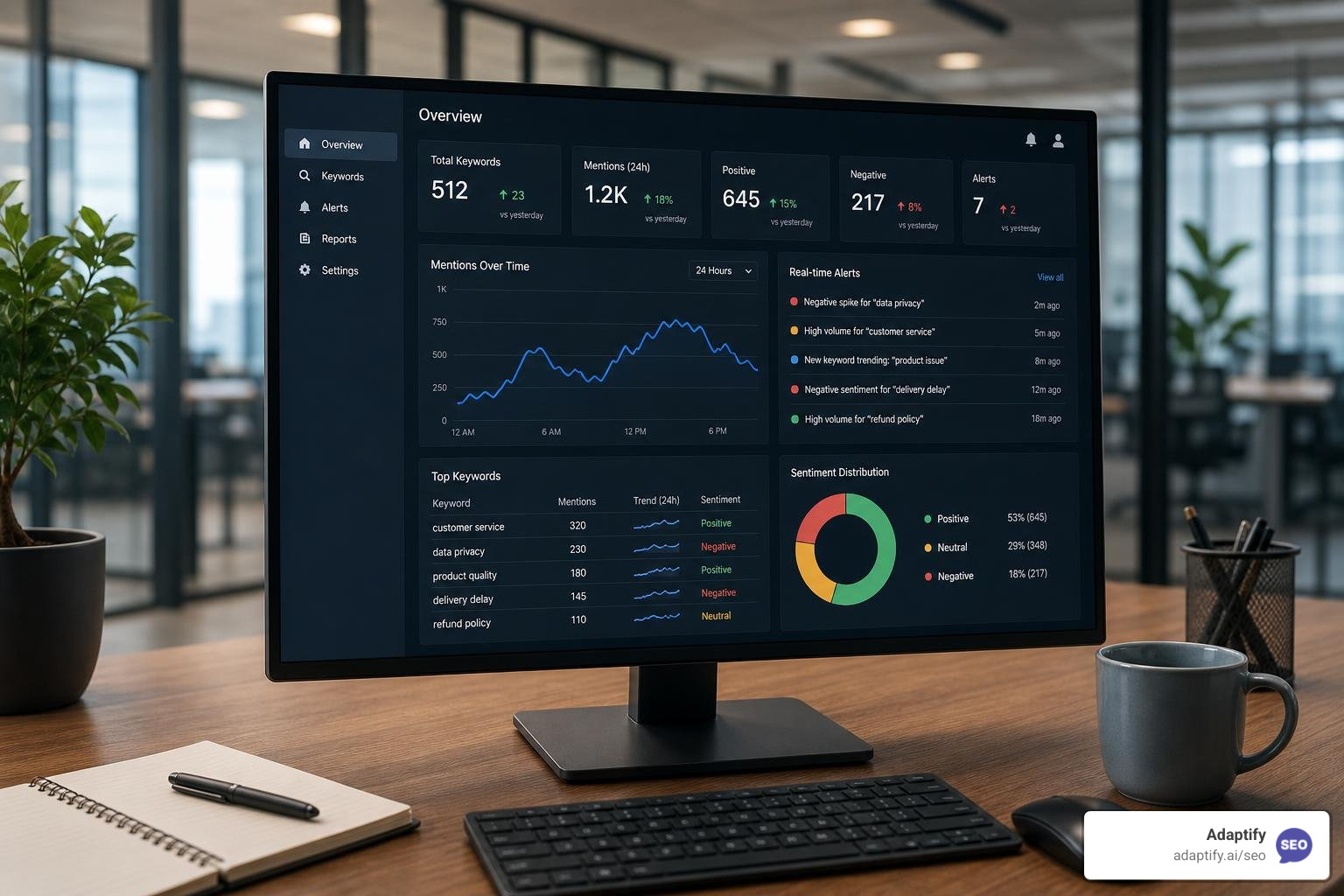
The Best Online Keyword Monitoring Tools for Real-Time Alerts - Learn about online keyword monitoring tool
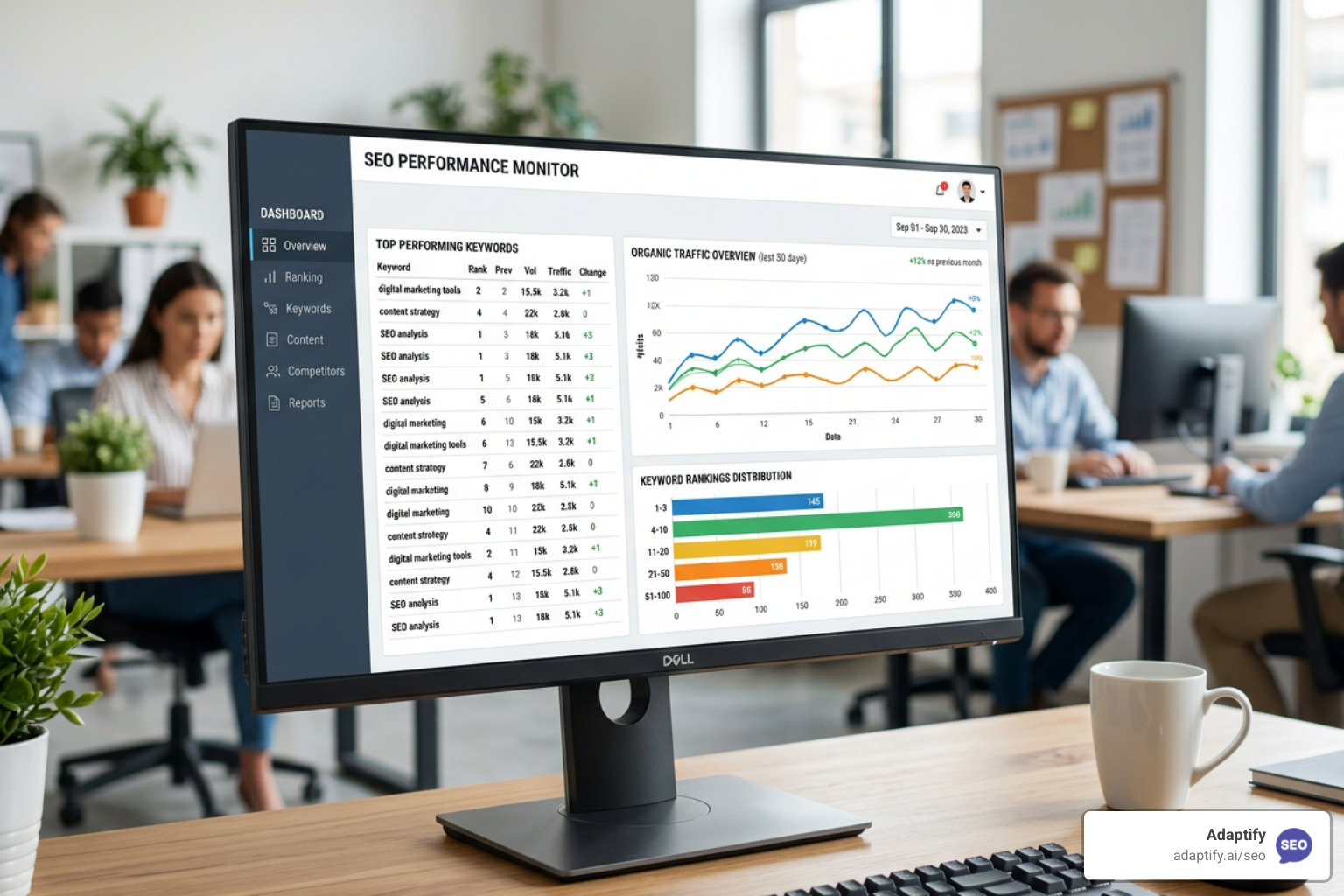
Stop Flying Blind with These Top SEO Monitor Tools - Learn about seo monitor tools
Join 1,000+ agencies already delivering SEO and AI visibility from a single platform without increasing their headcount.Join 1,000+ agencies already delivering SEO and AI visibility from a single platform without increasing their headcount.