Localize and Optimize: Mastering White-Label SEO Reports

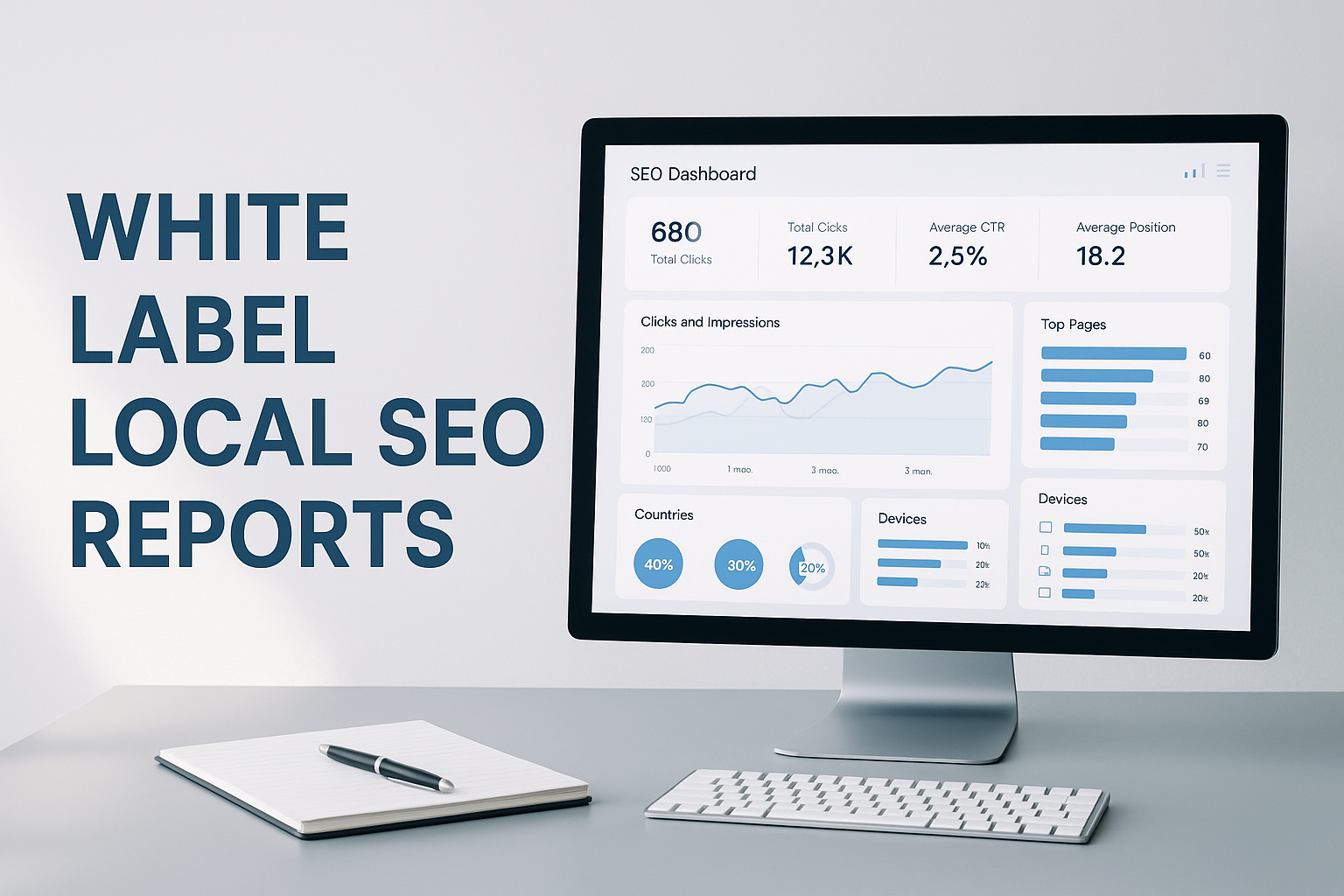

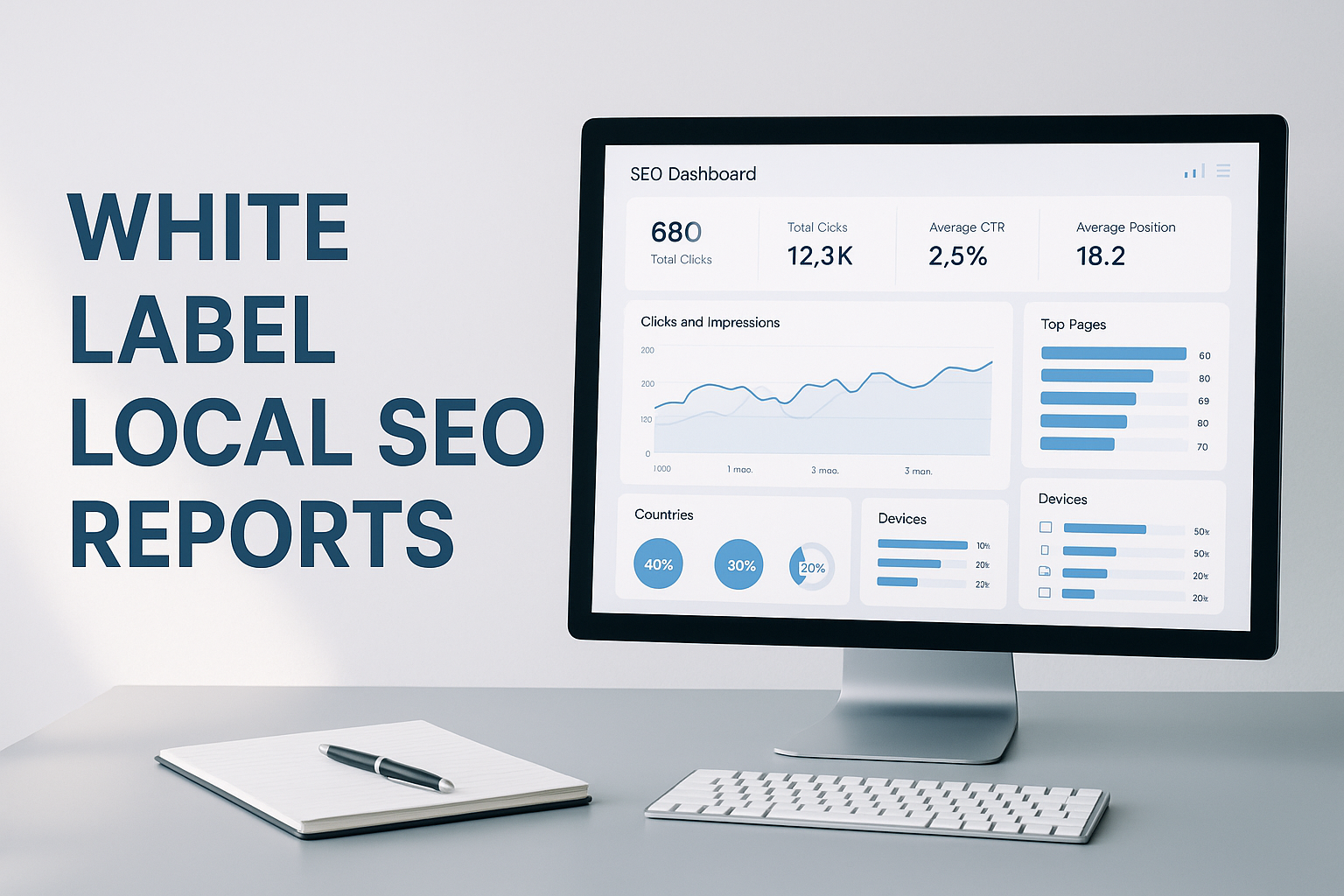
White label local SEO reports are customizable, brandable reporting tools that allow digital marketing agencies to present local search performance data under their own brand identity. These reports help agencies demonstrate value to clients while maintaining a consistent professional image.
"Think of your SEO reports as a treasure map. They don't just show you where you stand—they point the way forward."
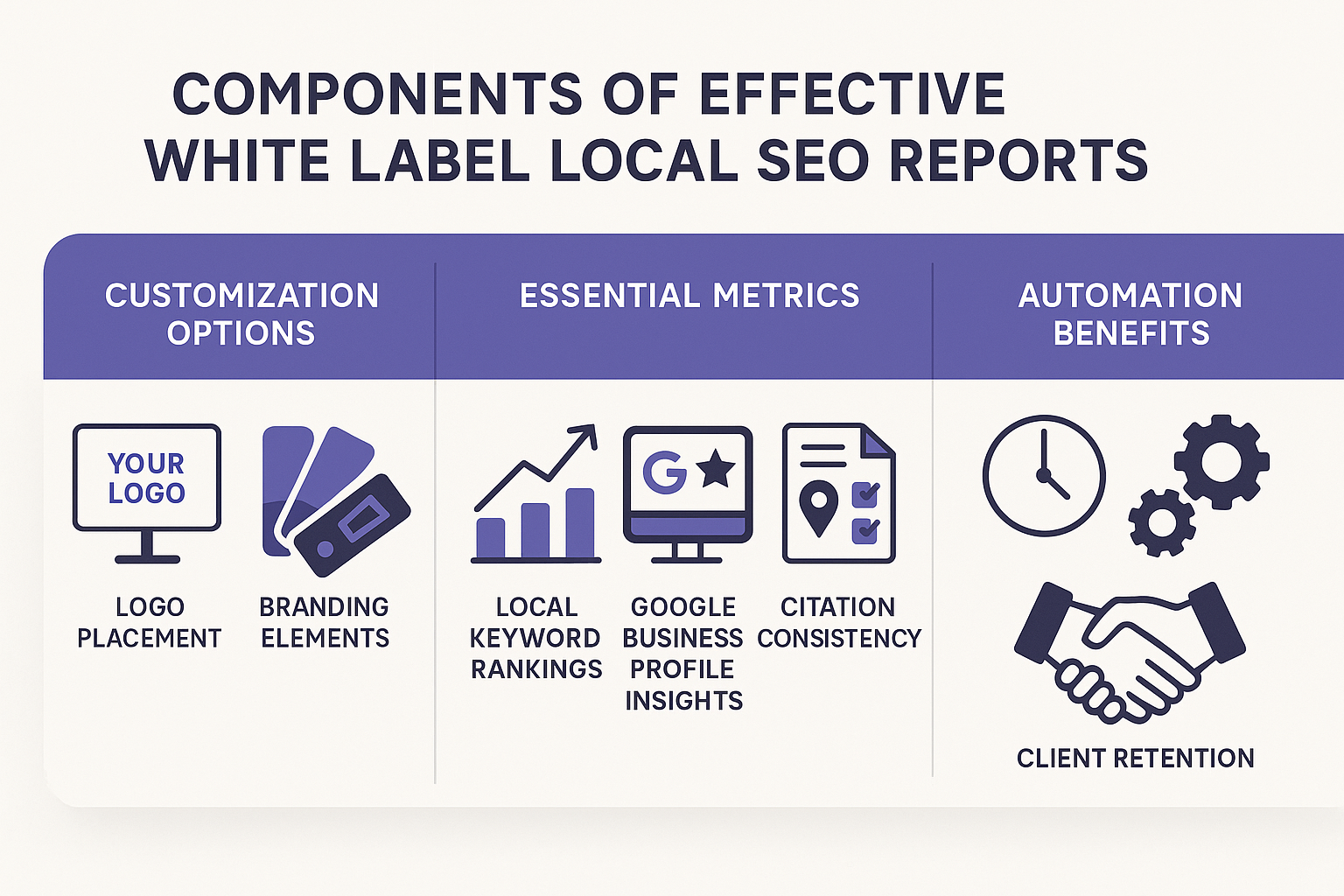
White-label local SEO reports typically include critical metrics such as local keyword rankings, Google Business Profile insights, citation consistency, backlink analysis, and local search visibility. By automating these reports, agencies can focus more on strategy and less on manual data compilation.
I'm Hansjan Kamerling, product designer and marketing consultant for SaaS platforms, with extensive experience implementing white label local SEO reports for agencies looking to scale their operations efficiently. Through my work with data analytics platforms and search experience optimization, I've helped numerous agencies transform their reporting processes.
In 2025's competitive digital marketing landscape, agencies are always on the lookout for ways to stand out and deliver more value to their clients. White label local SEO reports have become a game-changer, allowing agencies to offer sophisticated reporting without having to build complex tools from scratch.
White label local SEO reports are comprehensive, professionally designed reports that showcase a business's performance in local search results—all customized to look like they were created in-house by your agency. Think of them as your secret weapon—powerful third-party reporting tools that wear your brand's clothing.
As Clayton Joyner, a respected SEO expert, puts it: "If you want an all-in-one solution for your clients and projects, you need to use [white label SEO tools]. They're on the cutting edge, they're doing everything right. And they're led by some of the strongest minds in SEO."
The beauty of these reports lies in their seamless integration with your brand identity. Your logo, your colors, even your own domain—clients see only your agency's fingerprints throughout their entire journey, never realizing you're leveraging powerful third-party tools behind the scenes.
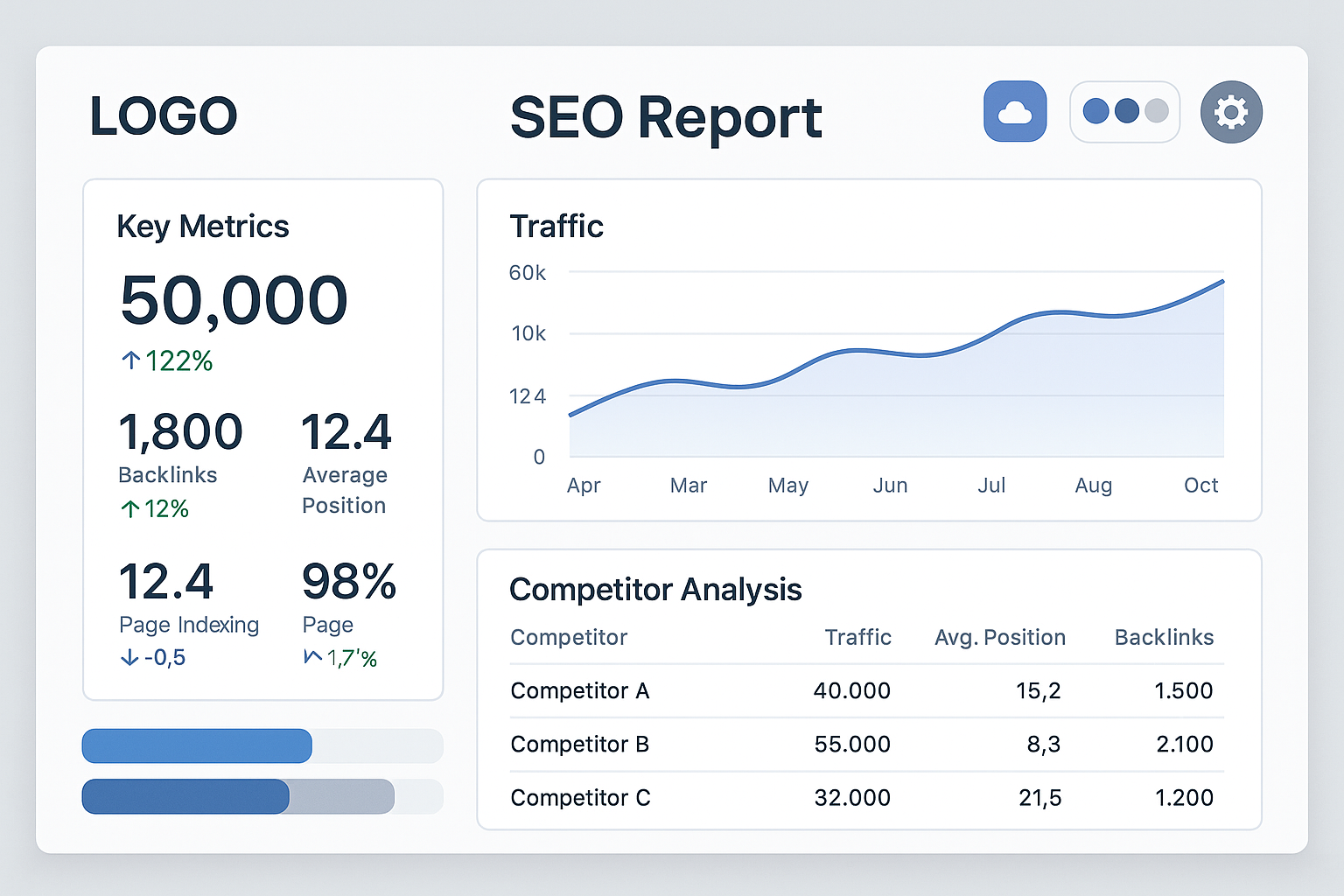
A well-crafted white label local SEO report typically includes a branded cover page, an executive summary highlighting key findings, local search visibility metrics, Google Business Profile performance data, citation consistency analysis, backlink profiles, technical SEO insights, local competitor analysis, and actionable recommendations that help clients understand exactly what steps to take next.
Implementing white label local SEO reports can transform how your agency operates and relates to clients. Let's explore the key advantages:
Time and Resource Efficiency
Agency life is hectic enough without spending hours manually compiling reports. Industry data from 2025 shows agencies save an average of 4+ hours per client each month using white label reporting solutions. That's time you can redirect toward strategy and growth. The efficiency comes from automating data collection and report generation, eliminating the need for custom designs for each client, and streamlining the entire analysis process.
Improved Brand Perception
There's something powerful about delivering polished, professional reports under your own brand. It lifts how clients perceive your agency's expertise and value. As one digital agency owner shared: "I love the white-label options. The reports are professional and very comprehensive." These reports serve as tangible evidence of your agency's sophistication and attention to detail.
Client Trust and Retention
Clear, consistent reporting builds the foundation for lasting client relationships. By demonstrating tangible results from your SEO efforts, providing regular insights into campaign performance, maintaining transparent communication, and offering actionable next steps, you create a relationship built on trust and demonstrated value—the key ingredients for client retention.
Scalability for Agency Growth
A challenge agencies face is scaling operations without proportionally increasing workload. White label reporting solves this by allowing you to manage multiple local SEO campaigns from a unified dashboard, create reusable report templates, automate scheduling and delivery, and focus your team's energy on strategy rather than report mechanics.
Competitive Advantage
When 96% of users rely on local searches to find nearby services in 2025, agencies that effectively communicate local SEO performance gain a significant edge. You'll showcase specialized expertise in local search, offer more comprehensive reporting than competitors, provide deeper insights into local market dynamics, and demonstrate clearer ROI from local SEO investments.
As one marketing consultant enthusiastically shared: "I made a switch from GDS and Sheets for reporting to [a white label solution], and I am saving literal hours each week on performance report creation."
By embracing white label local SEO reports, you're not just saving time—you're changing how your agency operates, communicates value, and grows its client base. These reports become more than just data delivery systems; they're powerful tools for building your agency's reputation and sustaining client relationships.
When it comes to impressing your clients, not all white label local SEO reports are created equal. The difference between a report that gets filed away and one that becomes a cornerstone of your client relationship often comes down to a few critical elements. Let's explore what makes these reports truly shine.
Picture this: You're sitting across from your client, who asks the simple question, "How are we doing in local search?" Your white label local SEO report should answer this comprehensively, without overwhelming them with unnecessary data.
The foundation of any effective local SEO report starts with local keyword rankings. These tell the story of how visible a business is when potential customers search for relevant services in their area. Track positions for both organic results and Map Pack placements, showing trends over time and highlighting mobile vs. desktop differences. Many clients don't realize rankings can vary dramatically within just a few miles, so including geographic ranking variations can be eye-opening.
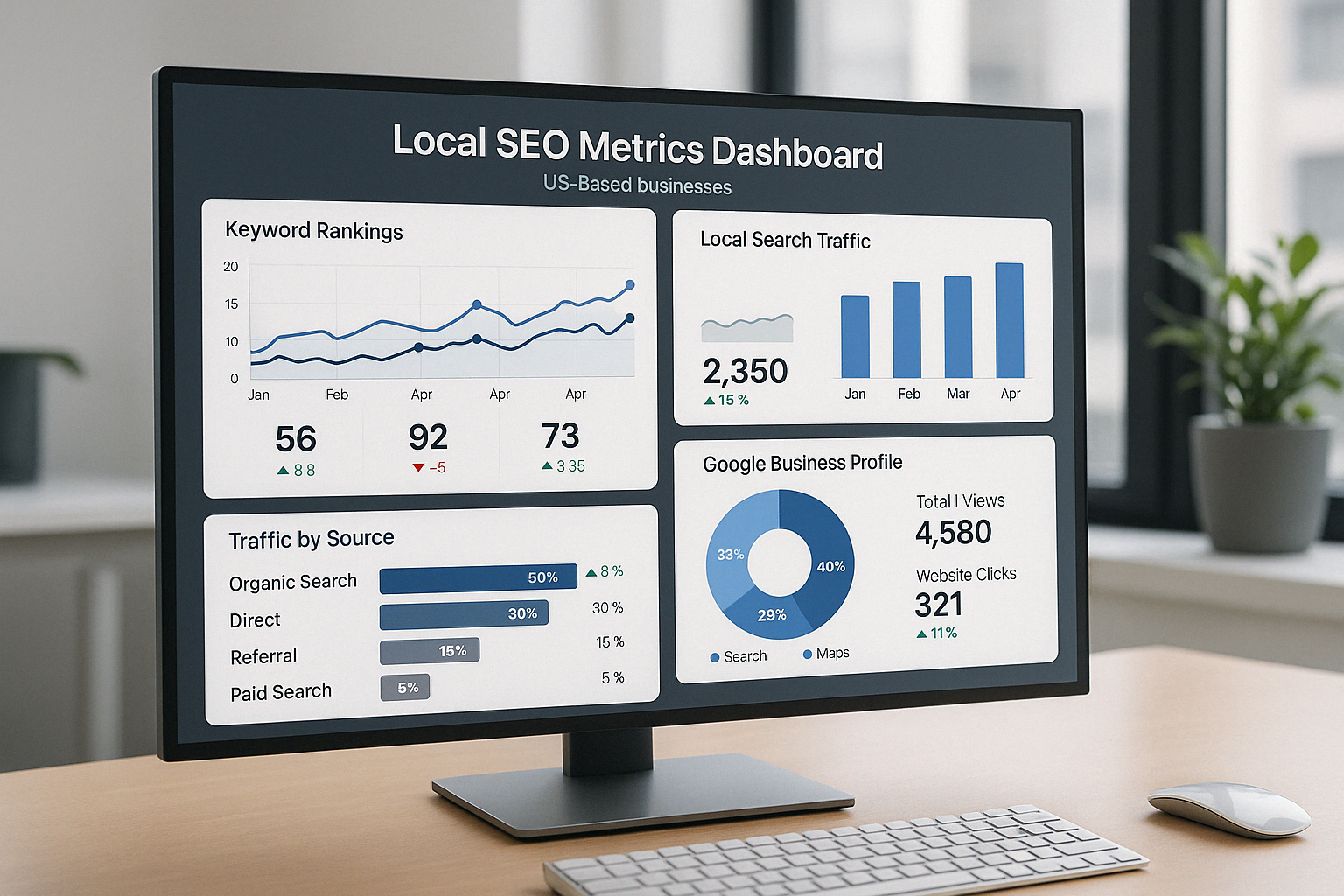
Google Business Profile insights are pure gold for local businesses. These metrics connect digital activity to real-world actions – like phone calls, direction requests, and website clicks. Include photo engagement and review analysis to show clients how customers are interacting with their profile. One agency owner told me, "When clients see that direct connection between GBP optimization and phone calls, the value of our services becomes undeniable."
Local search visibility metrics help paint the bigger picture. Rather than focusing on individual keywords, this shows overall presence in local search results. Include metrics like local visibility score (what percentage of potential local searches they appear in) and how often they show up in the coveted local pack.
Don't overlook citation and NAP consistency tracking. While not the sexiest metrics, they're fundamental to local SEO success. A consistency score along with identification of problematic listings can help clients understand this often-invisible aspect of local search.
The backlink analysis section should have a distinctly local flavor. Focus on community websites, industry-relevant local links, and how the client's link profile compares to local competitors. This helps demonstrate the importance of community connections in building local authority.
Connect efforts to outcomes by including local organic traffic and conversions data. Geographic traffic breakdowns and conversion rates from local visitors help clients see the bottom-line impact of your work. One particularly effective approach is tracking phone calls from organic search, as this is often the primary conversion goal for local businesses.
Finally, provide context through competitive analysis in the local market. Showing how a business stacks up against specific local competitors in rankings, reviews, and content provides motivation and perspective that raw numbers alone cannot deliver.
The "white label" in white label local SEO reports is what transforms generic data into a powerful extension of your agency's brand. This customization is about more than just slapping your logo on a report – it's about creating a cohesive brand experience.
Start with visual branding elements that make the report unmistakably yours. Your logo should appear prominently, but don't stop there. Apply your brand's color scheme throughout charts and graphs, use consistent typography, and create custom headers and footers. These small touches add up to a polished, professional impression.
The report structure itself should reflect your agency's unique approach and methodology. Arrange sections in a way that tells the story you want to tell, use terminology that matches how you speak with clients, and create branded data visualization templates that make complex information digestible.
Clients have different preferences for consuming information, so offering multi-format availability is crucial. Some prefer interactive dashboards they can explore, while others want a PDF they can download and share internally. Providing options shows you're accommodating their needs.
For the most seamless brand experience, implement white-label domain integration. When reports come from "reports.youragency.com" instead of a third-party tool's domain, it reinforces your ownership of the entire process. This extends to email notifications and login experiences – every touchpoint should reinforce your brand.
Don't overlook the power of language and terminology customization. The voice and tone of your reports should match your agency's personality. Editable section titles, metric explanations, and recommendation templates allow you to speak to clients in your authentic voice.
As one business solutions CEO shared: "Whitelabel reports are a very good tool for getting leads as well as providing value to potential clients. It's now a part of all my pitches."
When done right, these customization elements create such a seamless experience that clients never question where the reports originated – they simply see them as a valuable deliverable from your agency. This perceived value directly contributes to client retention and satisfaction, making the investment in quality white label local SEO reports well worth it.
Let's face it – running an agency means juggling dozens of tasks while trying to keep clients happy. This is where white label local SEO reports become your secret weapon for efficiency without sacrificing quality.
Remember the days of manually gathering data from multiple platforms, copying numbers into spreadsheets, and creating charts from scratch? Those days are officially over.
Today's reporting tools do the heavy lifting for you, automatically collecting data from search engines, Google Business Profile, analytics platforms, and directory listings. This automation isn't just convenient – it's transformative. Agencies regularly report saving 4+ hours per client each month. That's time you can redirect toward strategy and growth.
"Automated email alerts streamline monthly reporting routines, ensuring clients receive updates without manual intervention," shared one agency owner who made the switch to automated reporting.
The beauty of automation extends beyond data collection. You can schedule reports to generate automatically – whether that's weekly quick-views for your team, comprehensive monthly client reports, or quarterly trend analyses. Some platforms even generate intelligent recommendations based on the data, identifying keyword opportunities or flagging citation inconsistencies without you lifting a finger.
Perhaps most valuable are the customizable templates. Create a report design once, then apply it across your entire client roster. Have different industries in your portfolio? No problem – develop specialized templates for retail, healthcare, or professional services clients, then save them for future use.
Automated White-Label SEO Reporting
The real magic happens when your reporting tool talks to all your other marketing platforms. Modern white label local SEO reports don't exist in isolation – they serve as the central hub for all your marketing data.
Comprehensive reporting tools connect with dozens of data sources, from Google Analytics and Search Console to specialized SEO platforms like SEMrush or Ahrefs. One platform might integrate with over 50 different data sources, creating a truly unified reporting experience that saves you from platform-hopping.
This integration creates powerful cross-channel reporting opportunities. Imagine showing clients how their organic search performance relates to social media engagement, or how their Google Business Profile metrics align with website conversions. These connections help clients see the bigger picture and understand the full impact of your work.
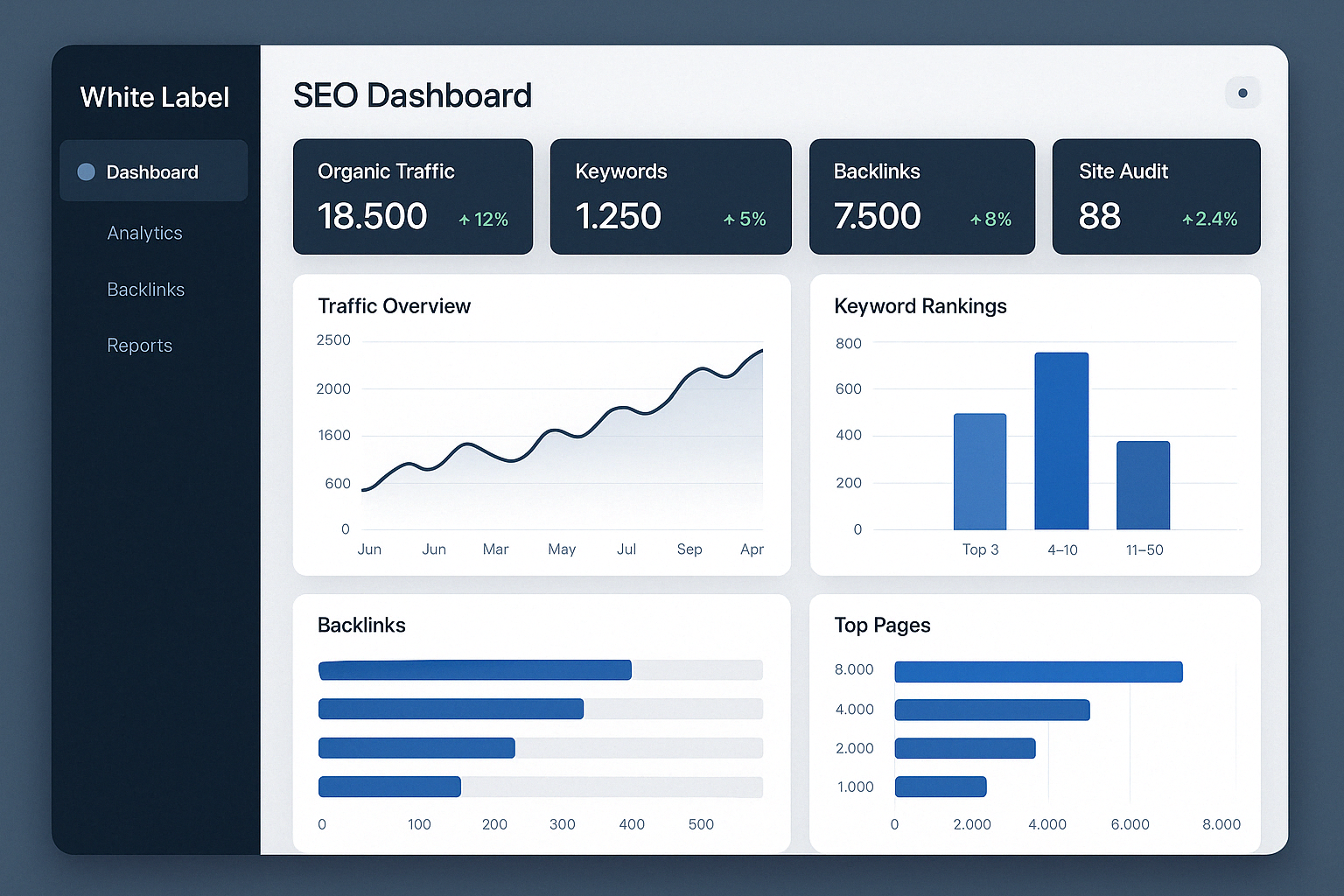
For agencies with specific needs, many platforms offer API connections and custom integrations. Whether you need to pull data from a proprietary database or connect with specialized industry tools, there's likely a way to incorporate that data into your unified reports.
The end result? A comprehensive client dashboard where everything lives in one place – with your branding front and center. Clients get a single login for all their marketing metrics, customizable views based on their role, and interactive data they can explore themselves.
Here's how some of the top reporting tools compare:
| Tool | Key Integrations | Automation Features | White Label Customization | Starting Price |
|---|---|---|---|---|
| Search Atlas | Google Analytics, GSC, GBP, 500M domain database | OTTO AI recommendations, scheduled reports | Custom domain, full branding | Contact for pricing |
| SE Ranking | 15+ major platforms | Automated reports, email scheduling | Custom logo, colors, domain | $52/month |
| WebCEO | 23 SEO tools in one platform | Scheduled reports in 24 languages | Complete white labeling, custom domain | $99/month |
| DashThis | 40+ marketing tools | Automated report delivery | White label skins, custom domain | $42/month |
| Whatagraph | 50+ data sources | Cross-channel automation | Full branding customization | Custom pricing |
When selecting your perfect reporting partner, look beyond the features list. Consider how the platform will scale as your client roster grows. As one agency partner put it: "We were using many different tools to accomplish what we can do in [a single platform]."
The right white label local SEO reports tool doesn't just save time – it transforms how your agency operates, creating space for growth without proportionally increasing your workload.
Creating effective white label local SEO reports isn't just about collecting data and slapping your logo on it. There's an art to crafting reports that not only inform but also delight your clients, driving satisfaction, retention, and ultimately, your agency's growth.
Your white label local SEO reports serve as a crucial bridge between technical SEO work and client understanding. When done thoughtfully, they become powerful relationship builders.
Start every report with a clear executive summary that cuts through the noise. Think of it as your "highlight reel" that showcases key wins, summarizes current performance, identifies challenges, and outlines next steps—all tied directly to your client's business goals. This approach immediately demonstrates value before diving into the metric jungle.
As one seasoned SEO consultant puts it: "The executive summary is where you translate technical SEO achievements into business language your clients understand."
Raw numbers need context to become meaningful. When you show current performance against previous periods, industry benchmarks, or established goals, you transform abstract data into a compelling story of progress. This contextual approach helps clients see not just where they are, but how far they've come.
Consistency builds trust like nothing else. Establish a reliable monthly reporting cadence, delivering reports on the same day each month. This predictability becomes something clients look forward to, especially when paired with scheduled review calls to discuss findings. For those big wins that can't wait for the monthly report? Send a quick update—clients love positive surprises.
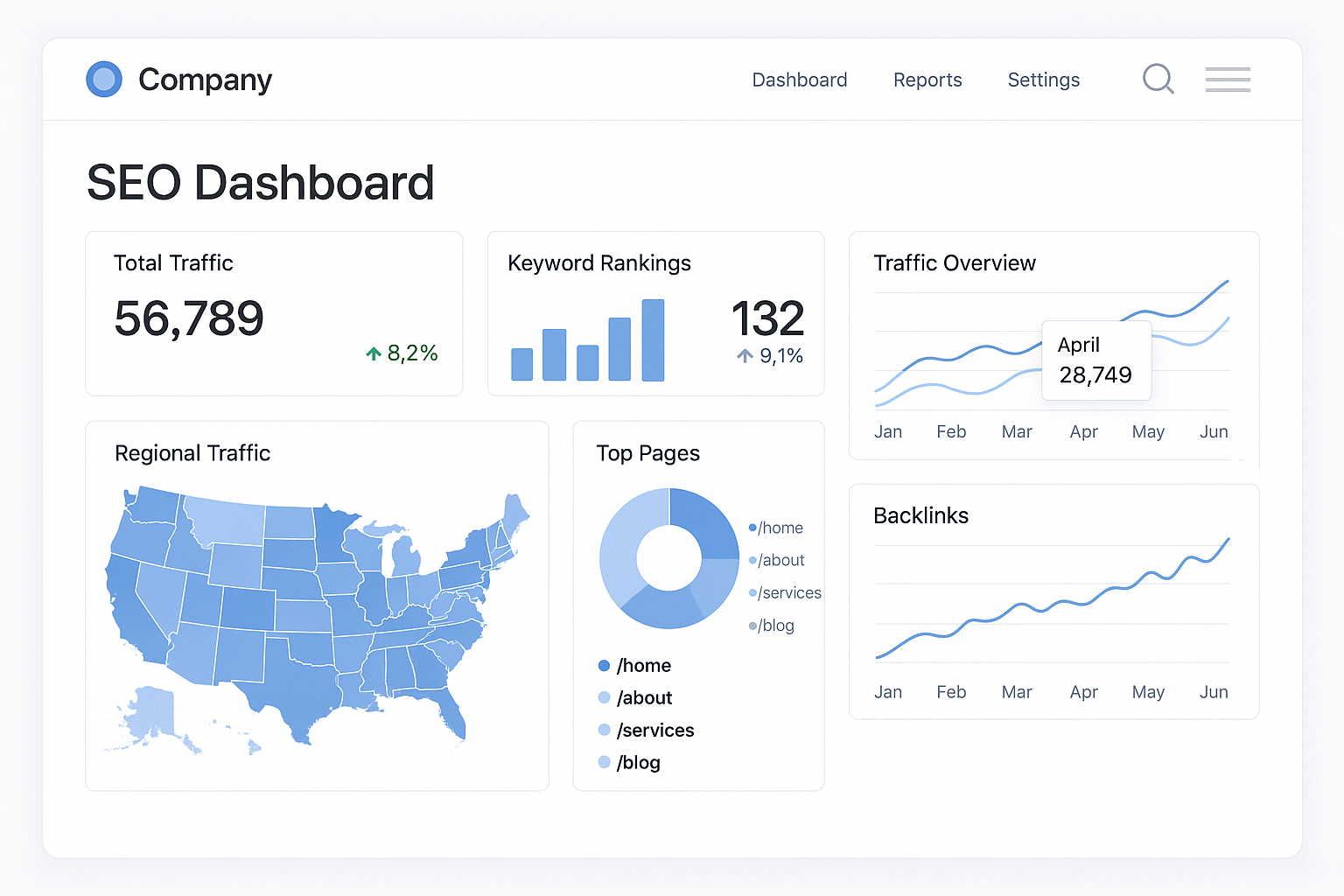
Visual elements transform complex data into instantly understandable insights. Choose appropriate chart types, use consistent color coding, and incorporate interactive elements in digital reports. Geographic heat maps are particularly effective for local SEO, showing ranking variations across neighborhoods at a glance.
Different stakeholders have different needs. Layer your information thoughtfully, starting with clear, jargon-free language in primary sections while providing technical details in appendices for the SEO-savvy. A good report grows with your client's understanding, becoming more sophisticated as their SEO knowledge deepens.
One-size-fits-all reporting rarely impresses anyone. The magic happens when you customize based on each client's specific situation and goals.
Align metrics with business objectives by recognizing different priorities. A retail client might care deeply about foot traffic and "near me" searches, while a service business focuses on phone calls and form submissions. Multi-location businesses need location comparisons, seasonal businesses require year-over-year analysis, and B2B companies often value lead quality over quantity.
Consider your client's SEO sophistication level when determining how technical to get. For novices, include educational elements that build knowledge over time. For experienced clients, offer deeper technical insights they can appreciate. Always adjust your terminology to match their familiarity—speaking their language builds rapport.
Standard metrics sometimes miss what matters most to a specific client. Work together to identify their most valued outcomes and create custom calculations for business-specific KPIs. Whether it's tracking industry-specific benchmarks or monitoring competitor-specific indicators, these custom metrics show you truly understand their business.
Help clients focus on their priorities by segmenting data thoughtfully. Highlight key service areas, emphasize performance for priority product categories, or organize by marketing campaign. This targeted approach helps prevent information overload and keeps attention on what drives their business forward.
Finally, treat reporting as an evolving conversation. Regularly ask for feedback on what's most useful, track which sections get the most attention, and be willing to add or remove elements as client objectives change. This responsive approach shows you're listening and continuously improving your service.
Even experienced agencies can stumble when creating white label local SEO reports. Here are some traps to avoid:
Data overload is perhaps the most common mistake. More charts don't equal more value—focus on actionable metrics rather than exhaustive data dumps. Create a clear information hierarchy and use appendices for supplementary information. Your goal is insight, not overwhelming detail.
Inconsistent branding undermines the professional image you're trying to create. Ensure your logo placement, color palette, typography, and language style remain consistent throughout. This attention to detail should extend to email notifications and portal access—creating a seamless branded experience.
The biggest reporting sin? Forgetting the "So what?" factor. Data without insights lacks value. Always connect metrics to business implications, explain why changes occurred (not just what changed), and provide clear next steps. The best reports transform technical SEO elements into tangible business outcomes.
With 46% of Google searches having local intent, mobile optimization matters tremendously. Ensure your reports are readable on mobile devices, highlight mobile performance metrics prominently, and compare mobile vs. desktop performance for local searches. This mobile-first approach reflects how most customers find local businesses today.
SEO evolves constantly, and your reporting should too. Regularly update metrics to reflect algorithm changes, incorporate new data sources, and refresh report designs. Add emerging metrics like Core Web Vitals as they gain importance, and don't be afraid to retire obsolete metrics that no longer provide value.
As one SEO founder shared: "SEO reporting has been a game changer for my business. The setup is intuitive and quick, with beautiful reports, great support, and my clients are loving the results."
By thoughtfully implementing these best practices, your white label local SEO reports transform from mere data documents into strategic assets that showcase your expertise, strengthen client relationships, and drive business growth. They become not just reports, but compelling stories of success that clients can't wait to read.
Let's face it – running an agency is a juggling act. Between client work, prospecting, and administration, the last thing you need is to spend hours crafting reports from scratch. That's where white label local SEO reports come to the rescue.
These customizable reporting tools transform how agencies operate. One agency director put it perfectly: "It is a valuable part of our toolset – we love their continuous product development!" But what exactly makes these reports so valuable?
For starters, they instantly lift your professional image. When clients receive beautifully branded reports with your logo and color scheme, you appear more established and credible – even if you're a small team working from home offices!
The efficiency gains are nothing short of remarkable. Most agencies report slashing their reporting time by up to 80%. Imagine what your team could accomplish with all those reclaimed hours each month. Instead of copying data into spreadsheets, they can focus on strategic work that actually moves the needle for clients.
Perhaps most impressive is the scalability factor. One agency shared how they now manage three times more clients with the same team size after implementing white label local SEO reports. The math is simple – automation lets you grow without proportionally increasing headcount.
Client relationships benefit tremendously too. Industry data from 2025 suggests agencies using automated reporting enjoy 23% better client retention rates. Those regular, professional reports serve as tangible proof of your ongoing value, making renewal conversations much easier.
They also naturally create upsell opportunities. When a comprehensive report reveals that a client's review management needs attention or their local link profile is lagging, you've got a perfect opening to suggest additional services.
In 2025's crowded agency landscape, sophisticated reporting capabilities help you stand out from competitors who still cobble together basic screenshots or inconsistent spreadsheets.
Creating the perfect white label local SEO report is like cooking a great meal – you need the right ingredients in the right proportions. Too little information and clients feel shortchanged; too much and they're overwhelmed.
The foundation of any local SEO report should be local keyword rankings. Tracking positions for geo-targeted keywords in both organic results and the Map Pack shows clients exactly where they stand in local search. Showing trends over time helps illustrate progress in a tangible way.
Google Business Profile metrics deserve prominent placement. Include views, customer actions (website clicks, direction requests, calls), photo engagement, and review statistics. These metrics directly connect SEO efforts to real business outcomes clients care about.
A local visibility score provides a big-picture view that's easy for clients to grasp. This percentage shows how much of the potential local search landscape they're capturing across their target keywords and locations.
Citation health is crucial for local businesses. Report on NAP (Name, Address, Phone) consistency across directories, total citation count, and accuracy scores. Many business owners don't realize how fragmented their online presence has become until they see it clearly displayed.
The local link profile section should analyze backlinks from community sources, highlighting quality, relevance, and growth patterns. Local links carry special weight in community search visibility, making this metric particularly valuable.
Review management metrics help clients understand their online reputation landscape. Track review quantity, quality, sentiment analysis, and response rates across platforms. This often becomes one of the most closely watched sections of the report.
Don't forget local on-page SEO assessments. Evaluate local content relevance, schema markup implementation, and how well the site is optimized for local keywords. These technical elements often reveal quick-win opportunities.
Local organic traffic data shows visitors coming from geo-targeted searches, including engagement metrics and, ideally, conversion data. This connects SEO efforts directly to business results.
Competitor comparison metrics provide essential context. Benchmark performance against local competitors for key metrics so clients understand their position in the competitive landscape.
Finally, include technical SEO health factors that particularly impact local search – mobile usability, page speed, and other technical elements that affect local search performance.
For small local businesses, aim for a concise report of 5-10 pages. Larger multi-location campaigns may require more detailed reporting, but always prioritize clarity over volume.
Remember the days of manually copying data from multiple platforms into spreadsheets and presentations? If you're still working that way, you're essentially doing things the same way agencies did a decade ago. Automation has completely transformed reporting processes.
The time savings are dramatic. What once consumed entire days can now happen in minutes. Agencies consistently report saving more than 4 hours per client each month through automated reporting. Multiply that across your client roster, and you're looking at days or even weeks of reclaimed time.
White label local SEO reports with automation deliver remarkable consistency. Every report follows identical structure and calculation methodology, eliminating the variations that inevitably creep into manual work. This consistency builds client confidence in your data.
Human error becomes a non-issue when data collection happens automatically. No more accidentally copying the wrong cell or forgetting to update a formula. The data integrity improvements alone justify the switch to automation.
Many platforms now offer real-time or daily data refreshes, providing much more current information than traditional monthly manual reports. When a client calls with a question, you can pull up the latest figures rather than relying on potentially outdated information.
The scalability advantages cannot be overstated. As one agency owner shared: "Automation allowed us to scale from 15 to 50 clients without adding to our reporting team." Your reporting quality remains high regardless of how many clients you take on.
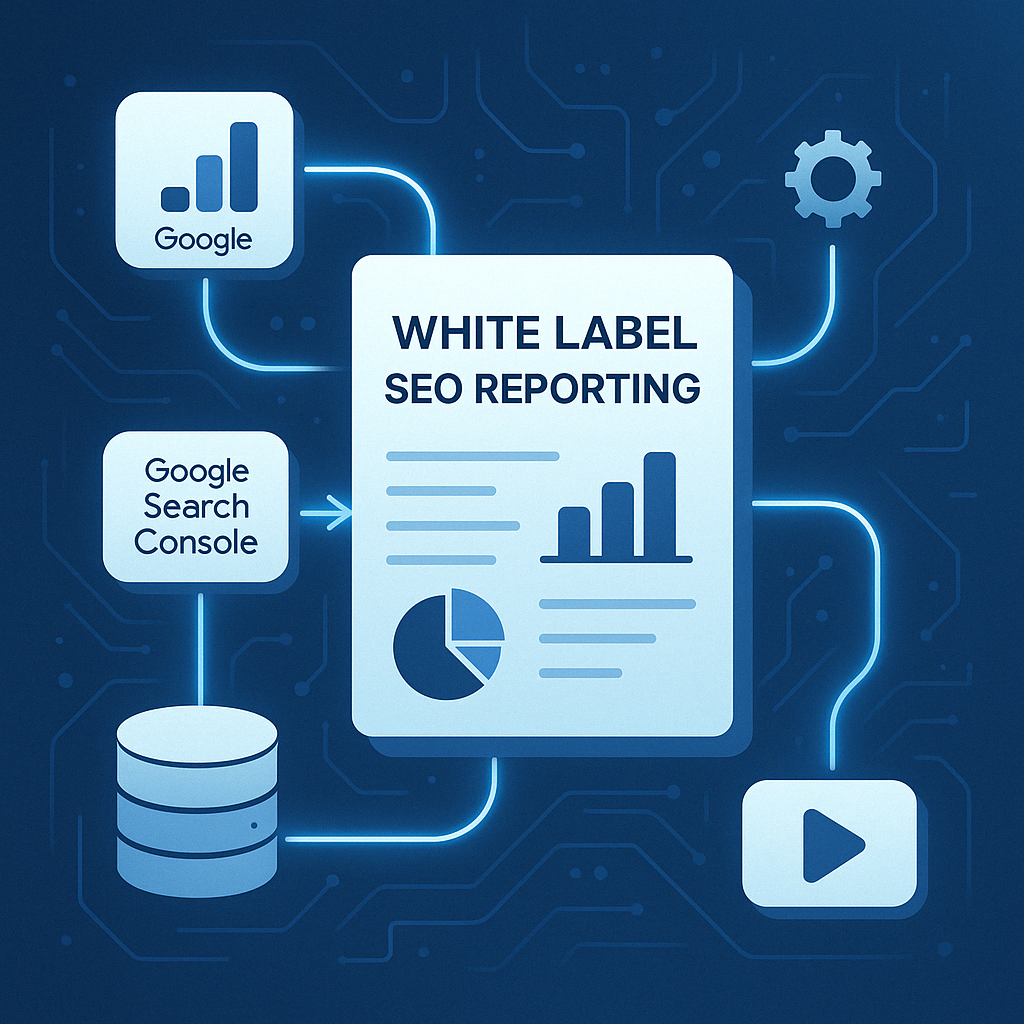
Modern automation tools in 2025 pull data from diverse sources – Google Analytics, Search Console, Google Business Profile, review platforms, and more – creating truly unified reports. This multi-channel integration provides a complete picture that would be nearly impossible to create manually.
Scheduled delivery ensures reports arrive like clockwork. Set them to generate automatically on predetermined dates, ensuring timely client communication without someone having to remember to hit "send."
Many platforms can automatically alert you to significant changes or achievements, enabling proactive client communication. Imagine calling a client to congratulate them on a ranking improvement before they even see it in the report!
Automated systems maintain complete historical data, enabling more accurate trend analysis and year-over-year comparisons. This historical perspective adds tremendous value to your reporting.
Perhaps most importantly, automation lets you reallocate resources to high-value activities. The time saved through automated white label local SEO reports can be reinvested in strategy development, client relationship building, or business growth initiatives – all of which deliver better returns than manual data compilation.
Mastering white label local SEO reports is no longer optional for agencies serious about scaling their operations and delivering exceptional client value. As we move through 2025, local search continues to dominate consumer behavior—with 96% of users relying on local searches and 80% of those searches leading to conversions—the ability to effectively track, analyze, and communicate local SEO performance has become a critical competitive advantage.
Think about it: your clients don't just want data—they want clarity, direction, and confidence that their investment is paying off. Well-crafted reports deliver exactly that.
The most successful agencies in 2025 are leveraging white label reporting solutions to save valuable time through automation and templating. Instead of spending hours compiling data from multiple sources, your team can focus on strategy and creative work that truly moves the needle for clients.
These reports also strengthen brand identity in ways that might surprise you. When clients regularly receive beautifully designed, insightful reports with your logo and colors, it reinforces your agency's professionalism and attention to detail. This consistent touchpoint keeps your brand top-of-mind.
Perhaps most importantly, comprehensive reporting improves client retention through regular, meaningful communication. Clients who understand what you're doing and can see tangible results are far less likely to look elsewhere.
As one marketing veteran shared: "We've used other tools in the past, but [white label] platforms offer more up-to-date data and information, which benefits our agency and clients."
The beauty of white label reporting is how it enables agencies to scale operations without proportionally increasing workload. You can take on more clients without drowning in spreadsheets and manual reporting tasks. And when you can clearly demonstrate ROI from local SEO investments, selling becomes easier too.
The future of local SEO reporting looks even brighter, with greater integration, smarter automation, and more sophisticated customization on the horizon. We're already seeing AI-generated insights, predictive analytics, and advanced competitive intelligence becoming standard features in 2025—all delivered through seamlessly branded interfaces that make your agency shine.
"Think of your SEO reports as a treasure map. They don't just show you where you stand—they point the way forward."
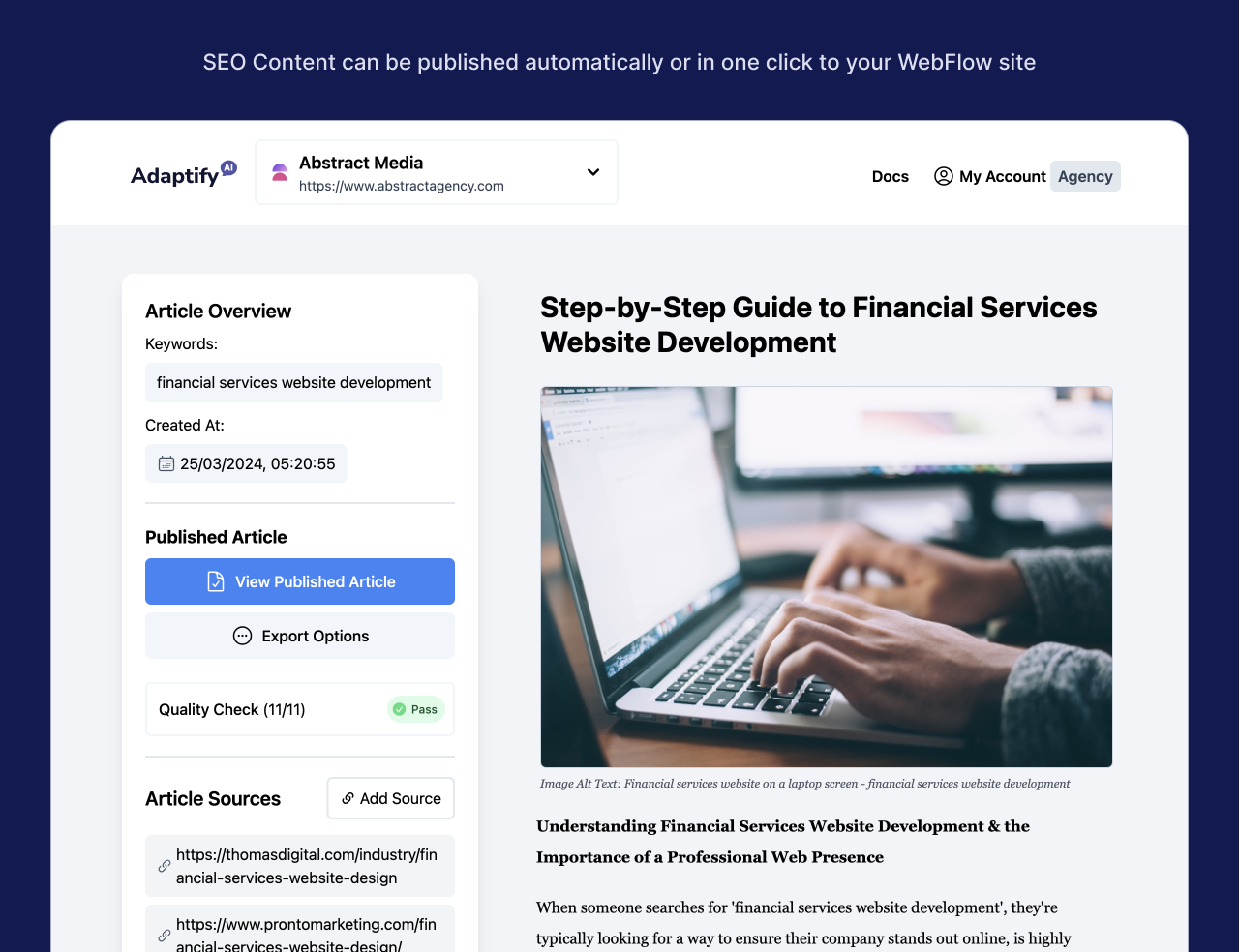
For agencies looking to transform their reporting processes, Adaptify offers automated SEO solutions that streamline everything from strategy formulation to content creation and reporting. Our AI-powered platform reduces manual effort while enhancing the quality and consistency of your client deliverables.
The most effective reporting isn't just about data—it's about telling a compelling story that connects SEO efforts to business results. When done right, these reports become not just a deliverable, but a cornerstone of your client relationship and a powerful driver of agency growth.
Book a Demo to see how Adaptify can revolutionize your agency's local SEO reporting and help you deliver more value to clients with less manual effort.

Compare automated SEO vs manual SEO to build a hybrid workflow that scales rankings with human oversight in 2026.

Master SEO service differentiation to stand out in a crowded market and prove your agency's unique business-first value.
Stop wasting hours—automate your SEO reports to boost agency efficiency and client trust.
Join 1,000+ agencies already delivering SEO and AI visibility from a single platform without increasing their headcount.Join 1,000+ agencies already delivering SEO and AI visibility from a single platform without increasing their headcount.