What is Backlink Monitoring and Why Your SEO Needs It

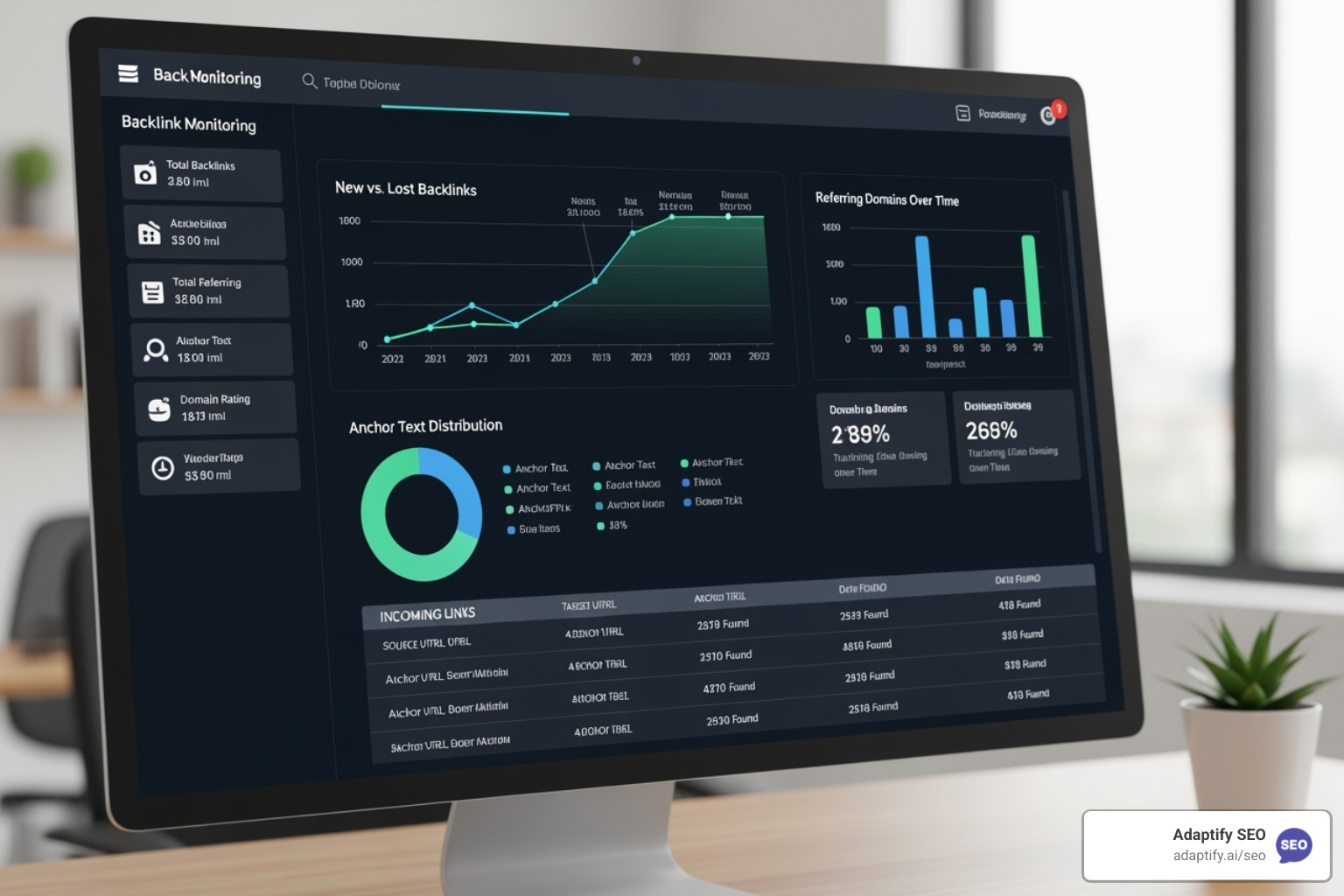

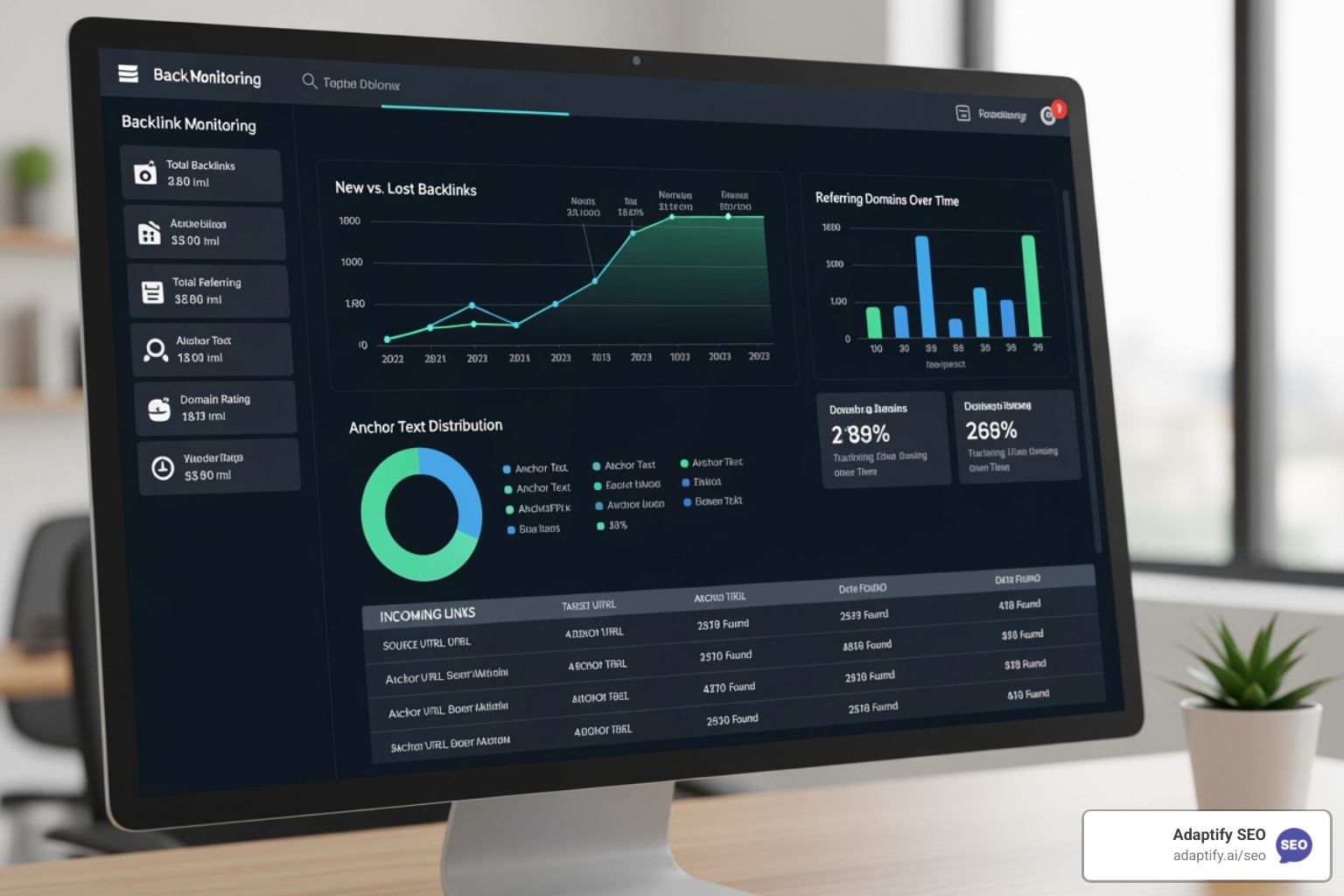
SEO backlink monitoring is the practice of regularly tracking and analyzing the links pointing to your website from other domains. It's a continuous process of checking which sites link to you, tracking new and lost links, and evaluating link quality.
Why does it matter? Backlinks are a critical ranking factor because they signal trust and authority to search engines. When high-quality, relevant sites link to your content, search engines see it as a vote of confidence, an indication that your content provides value.
Today, backlinks are also crucial for Answer Engine Optimization (AEO). As AI-powered search becomes more prominent, backlinks help associate your brand with specific topics, increasing the chance your content gets cited in AI-generated responses.
But here's the challenge: not all backlinks are equal. Low-quality links can harm your rankings, and valuable links can disappear without warning. Without regular monitoring, you're unable to capitalize on new opportunities or protect against threats like negative SEO attacks. The sheer volume of link data on the web, with trillions of links changing constantly, makes manual tracking impossible.
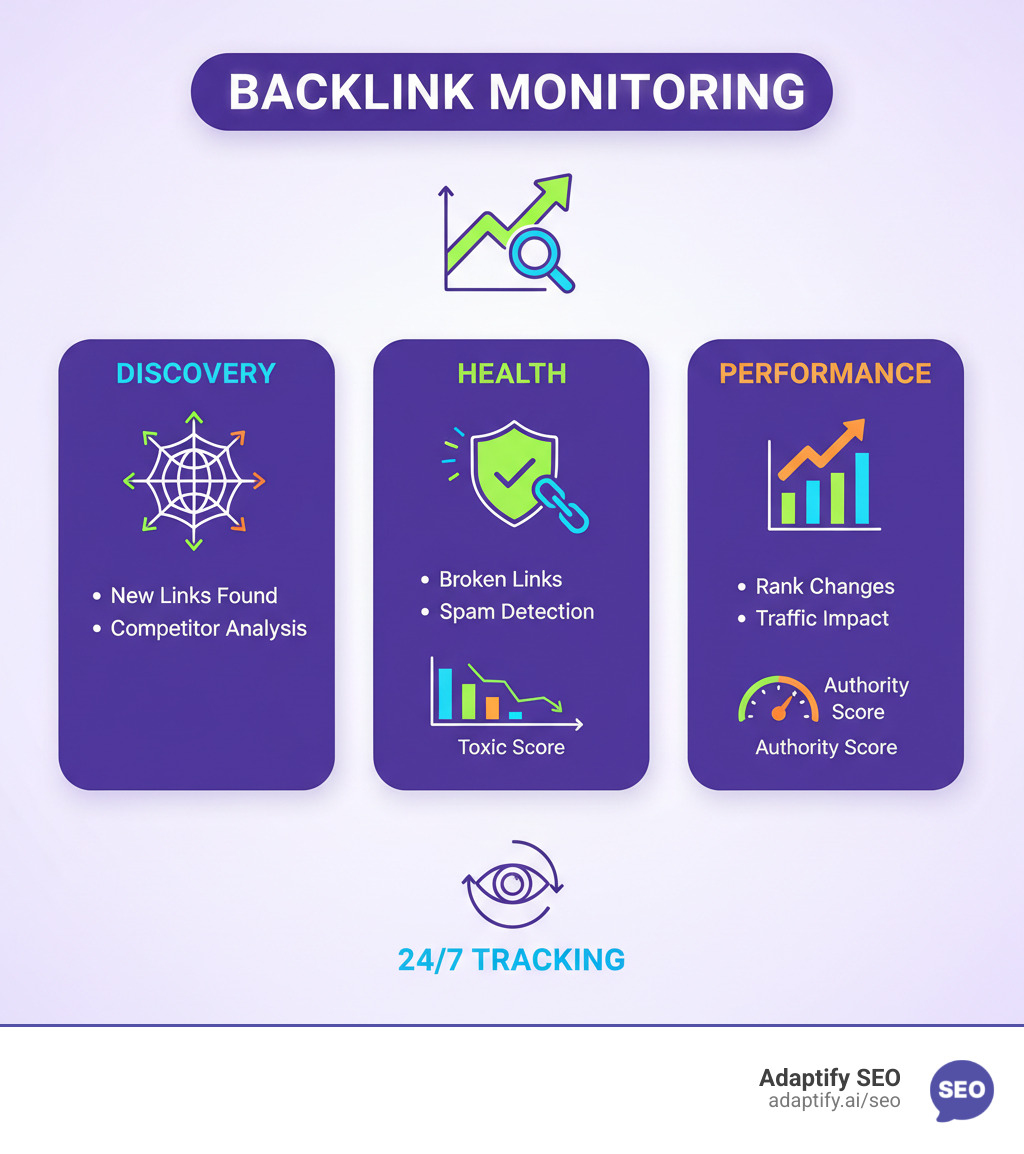
Think of backlinks as recommendations. When another website links to yours, they're telling their audience, "This content is worth your time." Search engines pay close attention to these digital endorsements.
Every backlink acts as a vote of confidence, but not all votes carry equal weight. A recommendation from a respected industry leader matters far more than one from an unknown blog. This transferred authority is what SEO professionals call link equity, and it flows from the linking site to yours, building your site's credibility.
This process is the heart of off-page SEO. Google has long emphasized that quality links play a crucial role in determining a domain's authority. Without SEO backlink monitoring to maintain a strong, clean link profile, even perfectly optimized content can struggle to rank.
Your backlink profile is a complete snapshot of every link pointing to your website. It reveals who's linking to you, how they're linking, and what that means for your SEO health.
A healthy backlink profile looks natural and diverse. Links come from various high-authority websites relevant to your industry. The growth pattern, or link velocity, is steady and organic rather than showing suspicious overnight spikes. You want links from different types of sites: industry publications, news outlets, educational institutions, and partner websites. This variety signals that multiple communities find your content valuable.
The follow versus nofollow ratio also tells a story. While "follow" links pass authority, "nofollow" links still drive traffic and are part of a natural profile. A mix of both indicates genuine link building.
Conversely, an unhealthy backlink profile raises red flags. It might have numerous spammy links from irrelevant sites, sudden spikes in link acquisition, or too many exact-match keyword anchors, all of which can look manipulative.
Building links is only half the battle; the real work lies in watching over them. This shift from reactive to proactive SEO is what separates agencies that deliver consistent results from those that only fix problems after rankings have dropped.
Maintaining link value requires vigilance. A valuable link might be changed to "nofollow," or the linking page could be deleted. Without monitoring, you won't know you've lost authority until it's too late.
Algorithm changes from Google can shift the rules overnight. Regular monitoring helps you spot profile changes that could become problematic under new rules, giving you time to adjust.
Your competitors are always active. Monitoring their backlink profiles reveals their strategies and uncovers opportunities you might be missing. It's competitive intelligence that informs your own link building.
Most importantly, you're protecting your investment. Link building requires significant resources. Without monitoring, that investment can evaporate as links disappear or turn toxic. Low-quality backlinks from negative SEO attacks can harm your rankings, and consistent SEO backlink monitoring is the only real defense.
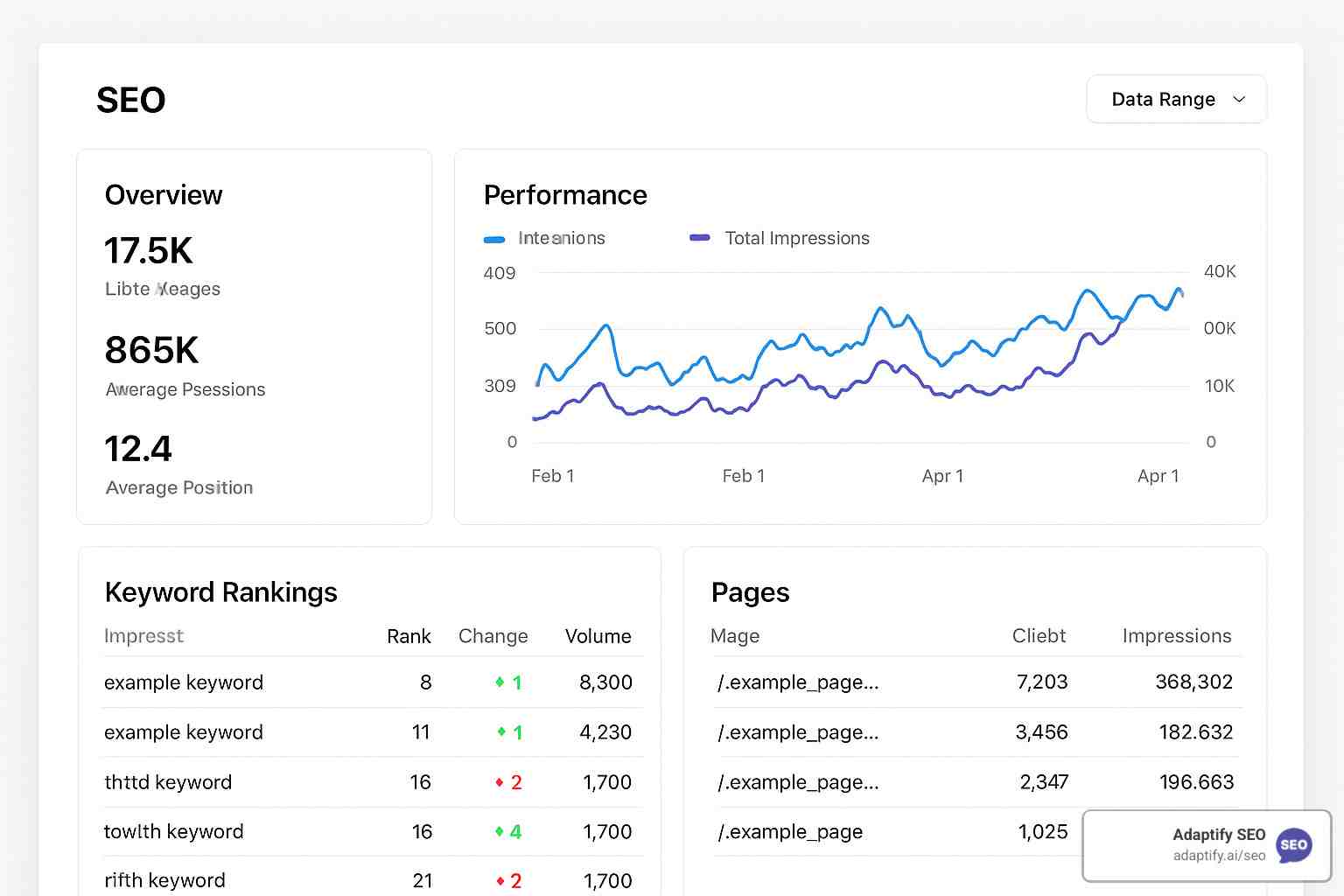
Once you commit to SEO backlink monitoring, the next step is understanding the data. Think of it as a health report for your website—you need to know which vitals to check and what they reveal about your site's condition. While the sheer volume of metrics can feel overwhelming, a few key indicators matter more than others.
The foundation of solid backlink analysis starts with the metrics that move the needle. While dozens of data points exist, a handful of core metrics tell most of the story.
Authority scores are the most widely recognized metrics. These scores, which typically run from 0 to 100, predict how well a website or a specific page will rank. Domain-level scores look at the entire domain's backlink profile, while page-level scores focus on a single page. While a higher score often correlates with better rankings, it's not a guarantee.
Some tools offer more nuanced trust and quality metrics. These can help you distinguish between sites that have a high quantity of links and sites that have high-quality links. A profile with higher trust and quality scores is generally what you're looking for.
Spam signals are another critical metric. These estimate the likelihood that a site is spammy based on features it shares with sites that have been penalized by Google. A high spam score on a linking domain is a major red flag that warrants investigation.
Finally, it's crucial to distinguish between referring domains and total backlinks. A referring domain is a unique website linking to you. If a site links to you from five different articles, that's five backlinks from one referring domain. Prioritize the number of unique referring domains, as they represent distinct "votes" of confidence from different sources.
Metrics tell part of the story, but understanding quality and relevance requires a more nuanced approach.
Referring domain relevance is critical. A link from a site in your niche carries far more weight than one from an unrelated directory. Search engines are smart enough to understand topical relationships and reward relevant links.
The placement of the link on the page also matters. An editorial link embedded within the main content passes far more value than a link buried in a footer or sidebar. The surrounding text reinforces this, as a link appearing in a paragraph about your topic tells search engines it's a good fit.
Also, check the number of outbound links on the page. If a page links to hundreds of other sites, the authority passed to each link is diluted. Look for pages with a reasonable number of outbound links to ensure your link gets its fair share of value.
Anchor text—the clickable text in a hyperlink—is a revealing element in your backlink profile. It tells users and search engines what the linked page is about.
A healthy anchor text distribution looks natural and diverse. Over-optimizing with exact-match keyword anchors can trigger spam filters. Instead, your profile should include a mix of branded anchors (your company name), keyword-rich anchors (relevant terms), naked URLs (the link itself), and generic anchors ("click here").
Anchor text analysis is also critical for detecting negative SEO attacks. A sudden influx of links with unnatural, over-optimized anchors is a classic sign of a competitor trying to trigger a penalty. By monitoring your anchor text distribution, you can spot these patterns early, investigate, and take action before they cause serious damage.

Backlink monitoring isn't just administrative work—it's a strategic tool that turns data into actionable opportunities. When you know who's linking to whom and what your competitors are doing, you gain a roadmap for growth.
Monitoring backlinks hands you a list of websites already interested in your type of content.
Competitor backlink analysis is the best starting point. Analyzing where competitors get their links shows you their playbook. If a reputable industry blog links to three of your competitors, they're likely interested in your content, too. Many tools alert you when a competitor gains a new link, so you can act quickly.
Broken link building is another effective strategy. You find broken links (404 errors) on other websites that used to point to content similar to yours. You then reach out to the webmaster, point out the broken link, and suggest your content as a replacement. Some tools have filters that make finding these opportunities easy.
Also, look for unlinked brand mentions. When someone mentions your brand without linking to you, a friendly email can often turn that mention into a valuable backlink.
Finally, by seeing which high-authority sites link to your competitors, you can identify platforms that might welcome guest post opportunities. If you're looking to develop content that naturally attracts these kinds of links, our content strategy resources can help.
Negative SEO is when competitors try to tank your rankings by pointing spammy, low-quality links at your site. It's unethical, and it happens more often than you'd think.
Monitoring is your early warning system. The key is spotting toxic links—from spammy domains, low-authority sites, or Private Blog Networks (PBNs)—before they cause damage. Watch for sudden spikes in low-quality links with over-optimized anchor text, as this is a major red flag.
Once you identify harmful links, you need to disavow them. Many platforms let you select suspicious links and create a disavow file. This file tells Google to ignore these links when evaluating your site, shielding you from negative SEO attacks.
Valuable backlinks disappear all the time due to site redesigns, deleted pages, or accidental removals. Without monitoring, you'd never know you lost the link equity you worked so hard to build.
Lost link alerts are invaluable. The moment a backlink disappears, monitoring tools can notify you so you can investigate. Sometimes it's an accident, and a friendly outreach for recovery is all it takes. A simple message to the webmaster asking them to reinstate the link is surprisingly effective.
Another clever technique involves 301 redirects for 404 pages. If a page that linked to you now shows a 404 error, but that page itself has valuable inbound links, you can suggest the webmaster implement a 301 redirect. This preserves link equity and can maintain your backlink in the process.
Picking the right backlink monitoring tool is like choosing a business partner—you need a reliable solution that fits your workflow, budget, and scale. With dozens of options available, the decision can feel overwhelming, but it usually comes down to a few key factors.
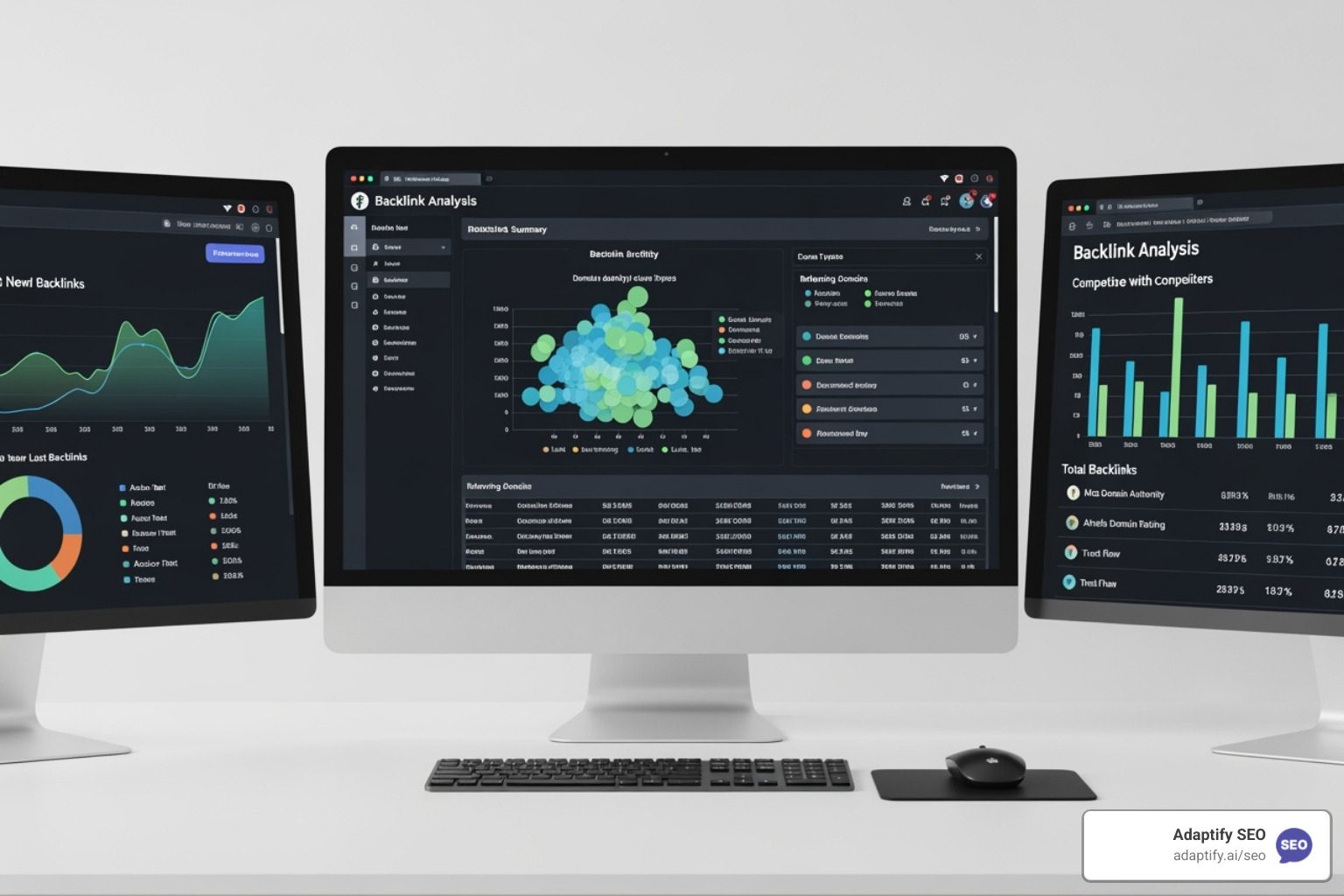
When evaluating an SEO backlink monitoring tool, there's a checklist of must-have features. New and lost link alerts are non-negotiable; you need immediate notifications when your link profile changes. Competitor tracking is equally crucial for finding opportunities they've already validated.
Given the potential size of backlink profiles, powerful data filtering options are essential. You'll need to sort by attributes like follow/nofollow status, authority ranges, or specific anchor texts. For agencies, reporting and export capabilities are vital for client communication and deeper analysis. A good tool should also include a disavow file generator to simplify the process of dealing with toxic links.
Finally, index size and data freshness determine how comprehensive your insights will be. The best tools have massive, frequently updated databases to ensure you're working with current information.
Can free tools handle serious backlink monitoring? They're perfect for a quick health check or for very small sites, but they become limiting for any substantial SEO effort.
| Feature | Free Backlink Checkers | Paid Backlink Monitoring Tools |
|---|---|---|
| Data Limits | Very limited (e.g., top 100 links, few checks/day) | Comprehensive, often millions of links per domain |
| Historical Data | Minimal or none | Extensive, often going back many years |
| Update Frequency | Monthly or on-demand, not real-time | Daily, hourly, or even near real-time |
| Alerting | Typically none | Real-time email alerts for new/lost links |
| Support | Community forums, limited FAQs | Dedicated customer support and resources |
| Advanced Features | Basic metrics only | Competitor analysis, disavow generator, advanced filters |
| Pricing | Free | Monthly or annual subscription fees |
Free checkers work for initial reconnaissance but lack the historical data, real-time alerts, and depth required for proactive SEO backlink monitoring. For agencies or anyone serious about protecting and growing their search visibility, the investment in paid tools pays for itself through the opportunities found and the disasters prevented.
The leading backlink analysis tools have each built their reputations on massive databases and sophisticated analysis. Understanding their different approaches helps you choose what aligns with your needs.
Some platforms operate some of the most active web crawlers online, allowing them to update their backlink indexes with fresh data in near real-time. This is ideal for tracking new link-building campaigns.
Other tools take a unique approach with a dual-index system. A "Fresh Index" might contain backlinks found in the last few months, perfect for monitoring recent activity, while a "Historic Index" provides a long-term view of link patterns over many years.
Proprietary metrics are a key differentiator. Instead of just one authority score, you might find metrics for assessing quality versus quantity, identifying valuable editorial links, or evaluating topical relevance. Each tool offers a unique lens through which to view backlink data.
For agencies seeking to automate the entire SEO workflow—from strategy to content to link building—platforms like Adaptify.ai offer an integrated approach. This reduces the complexity and manual effort involved in managing multiple tools and subscriptions.
The ideal frequency depends on your site's activity. If you're actively building links or running a campaign, a weekly check is recommended. This lets you spot new opportunities, notice lost links, and catch suspicious activity quickly.
For more stable sites not in an active growth phase, a monthly review is usually sufficient to ensure your profile remains healthy.
However, the best approach is to use a tool with real-time alerts. This way, you're notified the moment a new link appears or an important one vanishes, allowing you to react immediately without constant manual checks.
Yes, but with significant limitations. Free backlink checkers are great for quick spot checks, like getting a snapshot of your own profile or a competitor's homepage. They work for basic reconnaissance.
However, they lack the features needed for serious monitoring: comprehensive data, historical tracking, real-time alerts, and advanced analysis tools. Free checkers show only a tiny fraction of your actual backlinks. For any serious SEO backlink monitoring effort, especially for agencies, the limitations of free tools become a major roadblock. They're useful for a first look, but paid tools are necessary for ongoing management and protection.
This is a crucial distinction. A referring domain is a unique website that links to you. Think of it as a unique voter.
A backlink is an individual link. If one website links to you in three different articles, you have three backlinks but only one referring domain.
When analyzing a backlink profile, pay more attention to the number of unique referring domains. Why? Because diversity matters. One hundred links from one domain don't carry as much weight as one link each from one hundred different, authoritative domains. Widespread endorsement from varied sources is a much stronger trust signal to search engines. This is the metric that really moves the needle.
Here's the truth from years in the SEO trenches: ongoing backlink monitoring is more than a technical task. It's about understanding the digital endorsements that shape how search engines perceive your brand's authority.
We've covered how to spot link-building opportunities by analyzing competitors, how to protect your site from negative SEO attacks, and how to recover lost links to preserve your hard-earned value. Most importantly, this isn't a one-time project. Your backlink profile is a living asset that is constantly changing.
The businesses that succeed in SEO treat monitoring as an ongoing commitment. They catch problems early, capitalize on opportunities quickly, and build a foundation of authority that compounds over time.
For agencies, managing this process across multiple clients can be overwhelming. That's why we built Adaptify.ai—to handle the heavy lifting of SEO backlink monitoring and strategy through intelligent automation. Our platform doesn't just track backlinks; it helps you understand what to do with that information, streamlining everything from competitor analysis to link opportunity identification.
Your backlink profile represents years of effort and investment. It deserves the protection that only consistent monitoring can provide. Ready to take the guesswork out of your backlink strategy? Explore our automated SEO services and find how Adaptify.ai can transform your agency's approach to link building and monitoring.

Discover how backlink automation software streamlines outreach, saves time, and scales your SEO strategy safely and effectively.
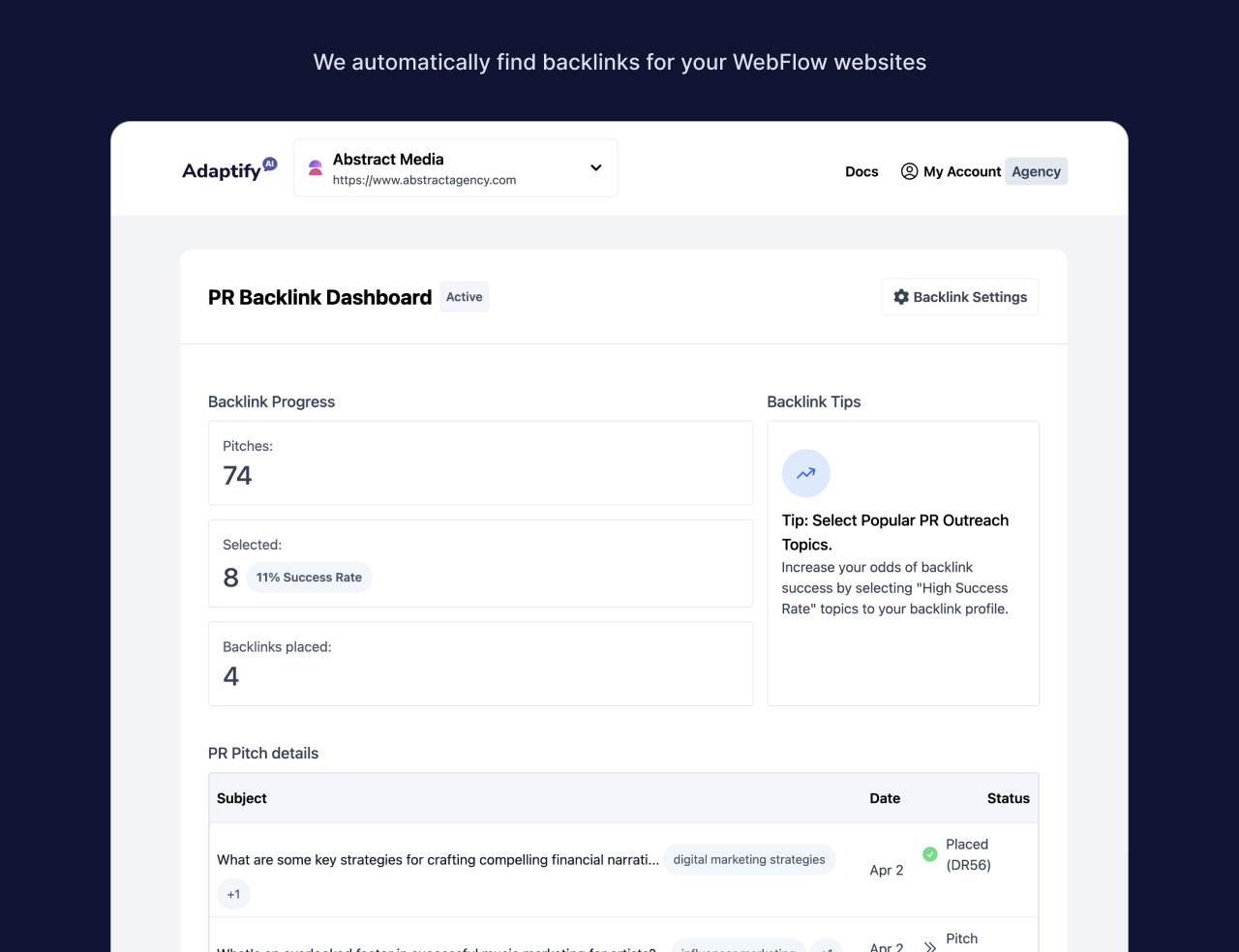
Track every backlink with an SEO backlink monitor—spot lost links fast, protect rankings, and boost ROI before competitors do.
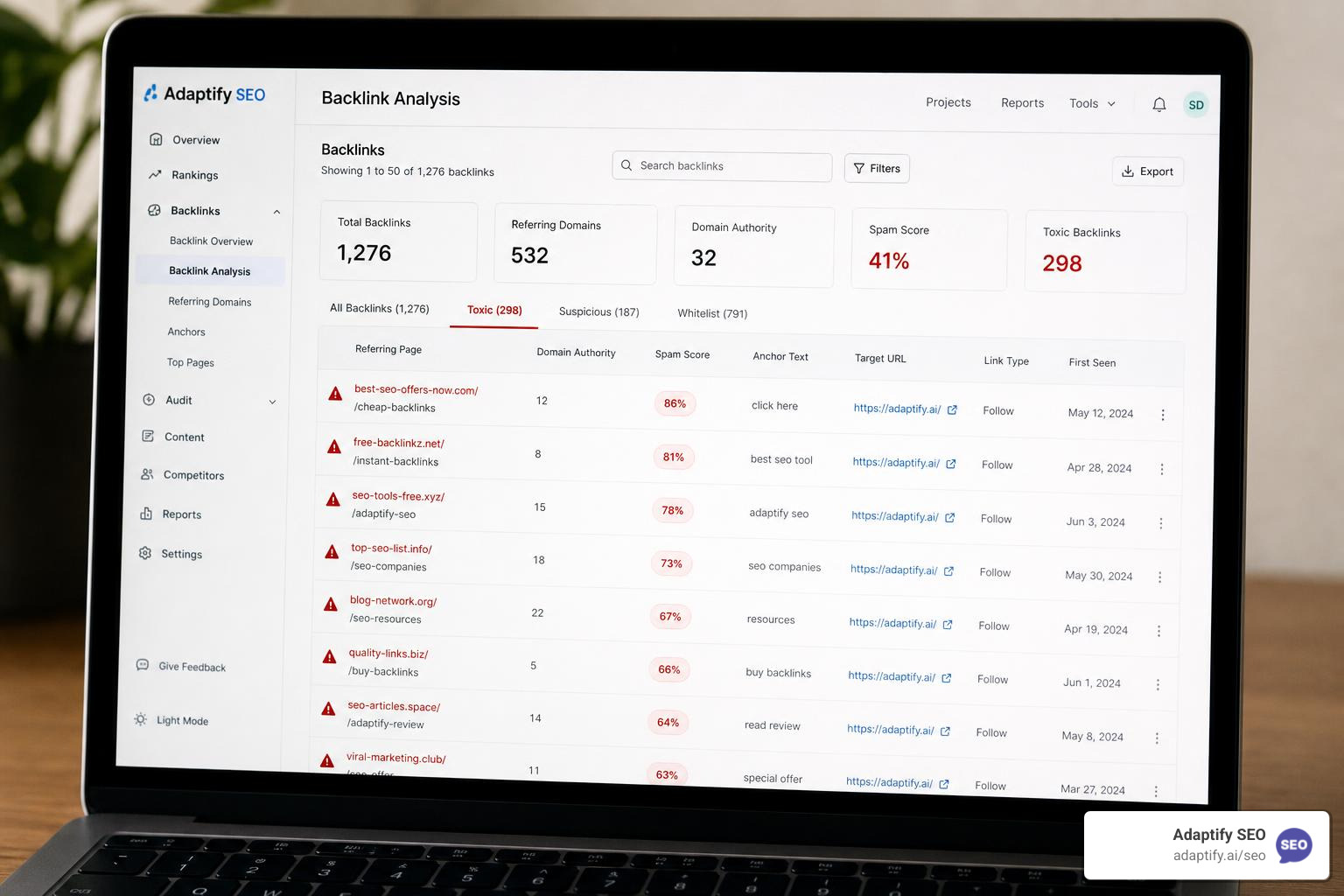
Learn how to disavow toxic backlinks, clean your profile, and recover rankings with this step-by-step guide.
Join 1,000+ agencies already delivering SEO and AI visibility from a single platform without increasing their headcount.Join 1,000+ agencies already delivering SEO and AI visibility from a single platform without increasing their headcount.