Unlock Your Potential: The Benefits of a Winning SEO Strategy

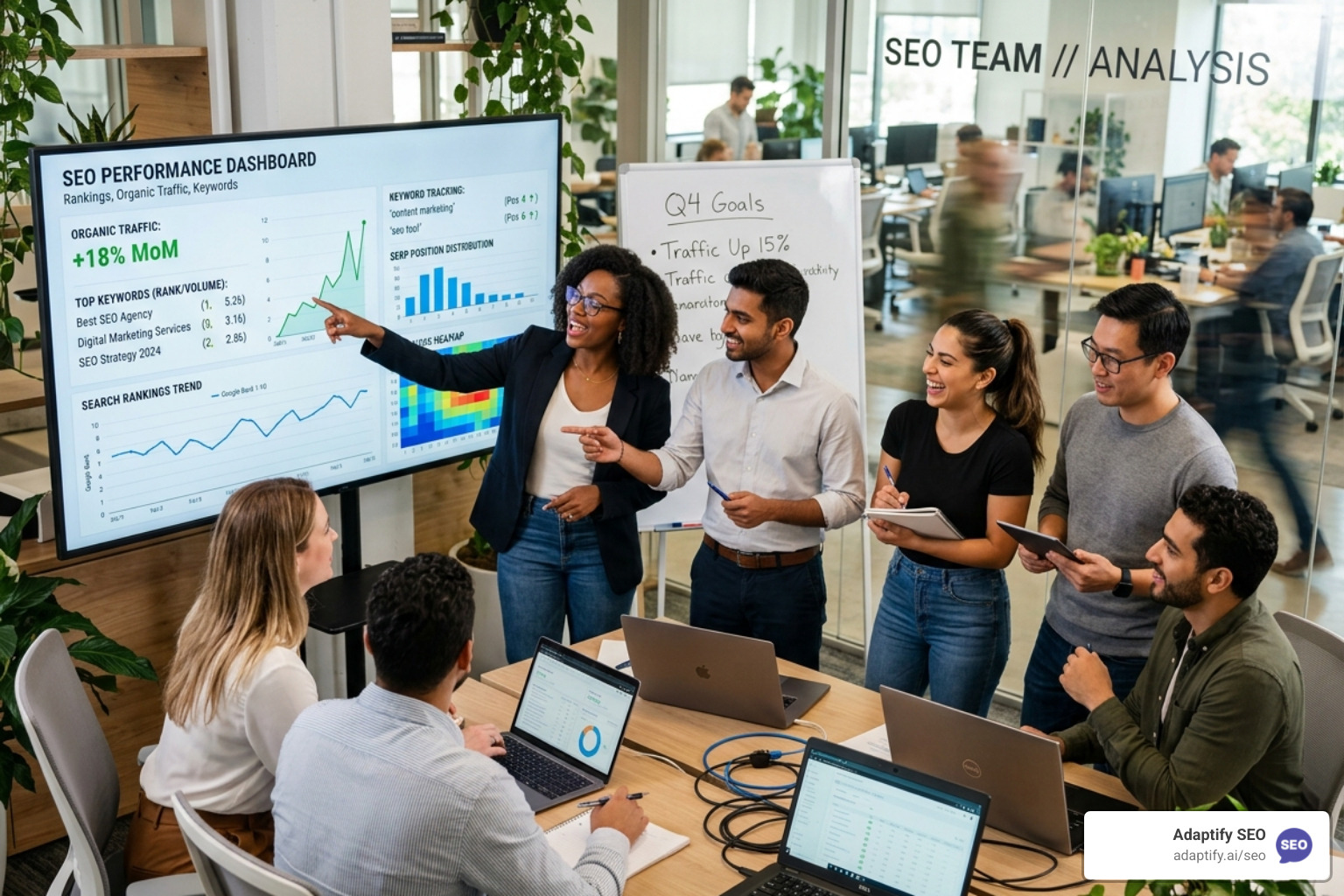

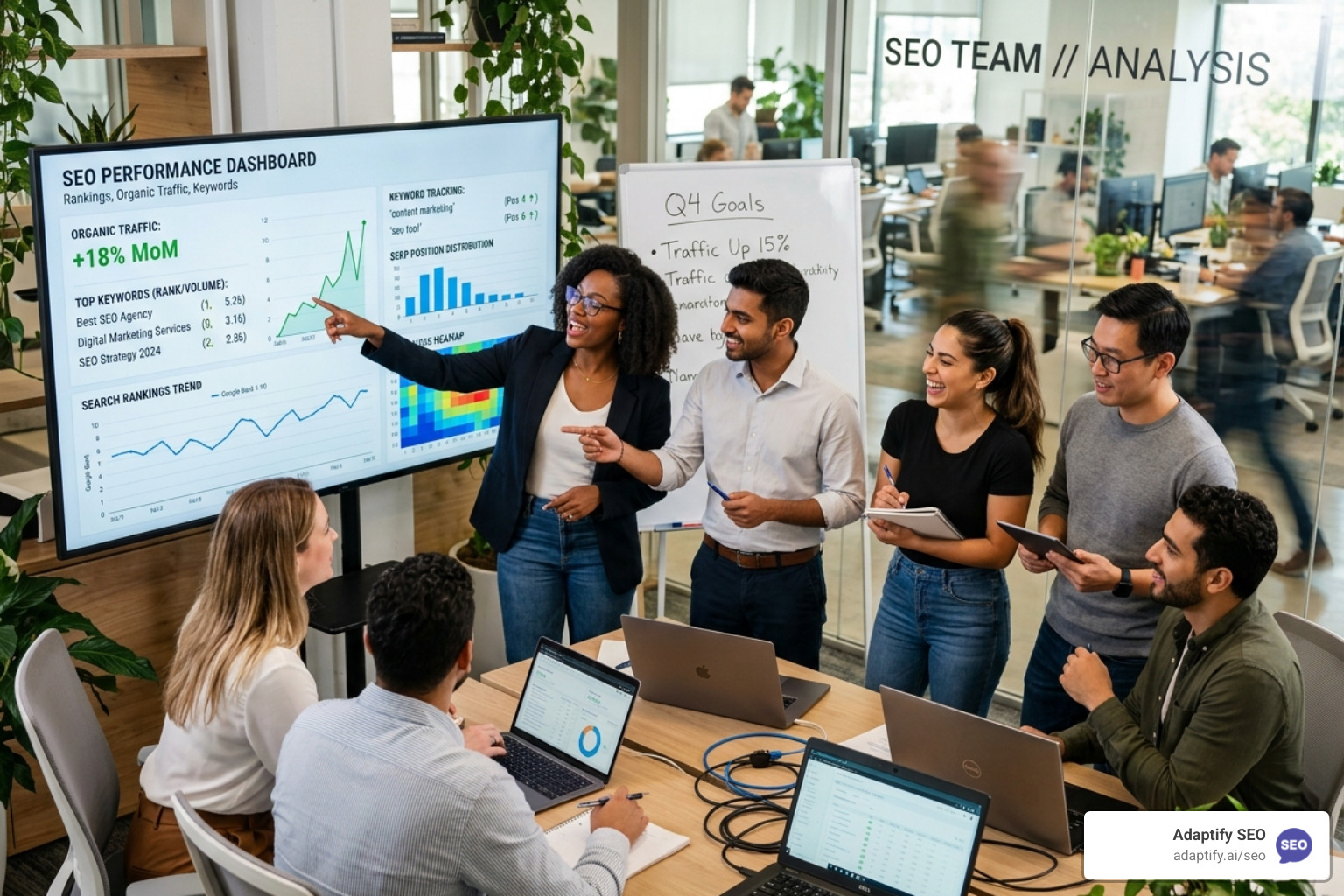
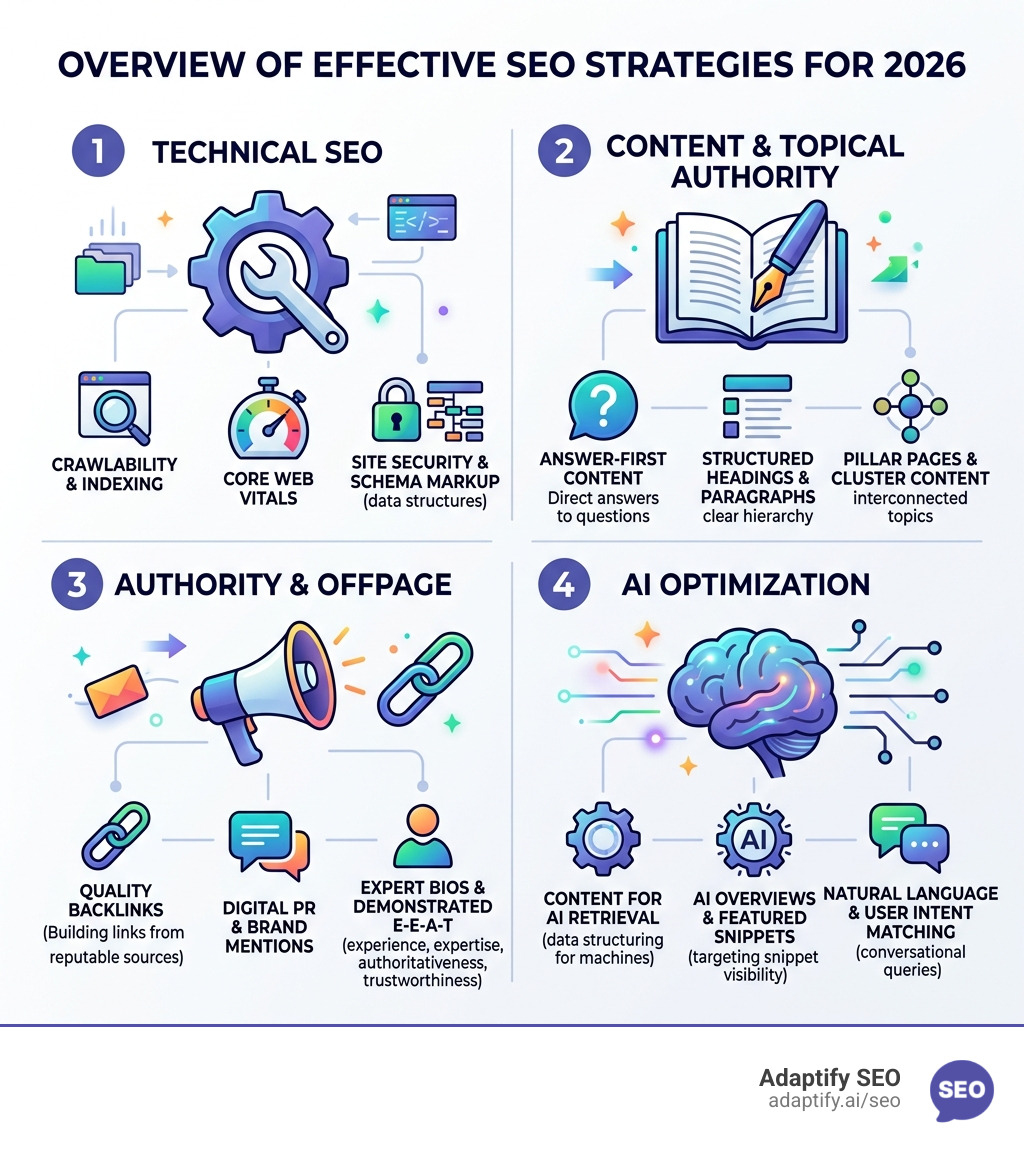
Effective SEO strategies are the structured set of techniques that help your website rank higher in search results, attract qualified traffic, and grow your business without constantly paying for ads. Here is a quick overview of what works in 2026:
Search has changed dramatically. Google's AI Overviews now reach over 2 billion users every month, and AI Mode is available in more than 200 countries. The way people find information is shifting fast, and the strategies that worked three years ago are no longer enough on their own.
At the same time, the fundamentals still matter. Technical health, quality content, and authoritative backlinks remain the backbone of any strong SEO program. What has changed is the layer on top: structuring content so AI systems can retrieve and cite it, earning brand mentions that influence recommendations, and covering every angle of a search query — not just the obvious one.
For agency owners managing SEO across multiple clients, this creates a real challenge. There is more to optimize, more to track, and more to explain to clients. The good news is that a clear, prioritized strategy cuts through the noise.
I'm Hansjan Kamerling, a product designer and marketing consultant who has worked across SaaS platforms, fintech, and high-traffic digital products, applying effective SEO strategies as part of broader growth systems at each stage. In this guide, I'll walk you through every layer of SEO that moves the needle in 2026, so you can focus your time on what actually drives results.
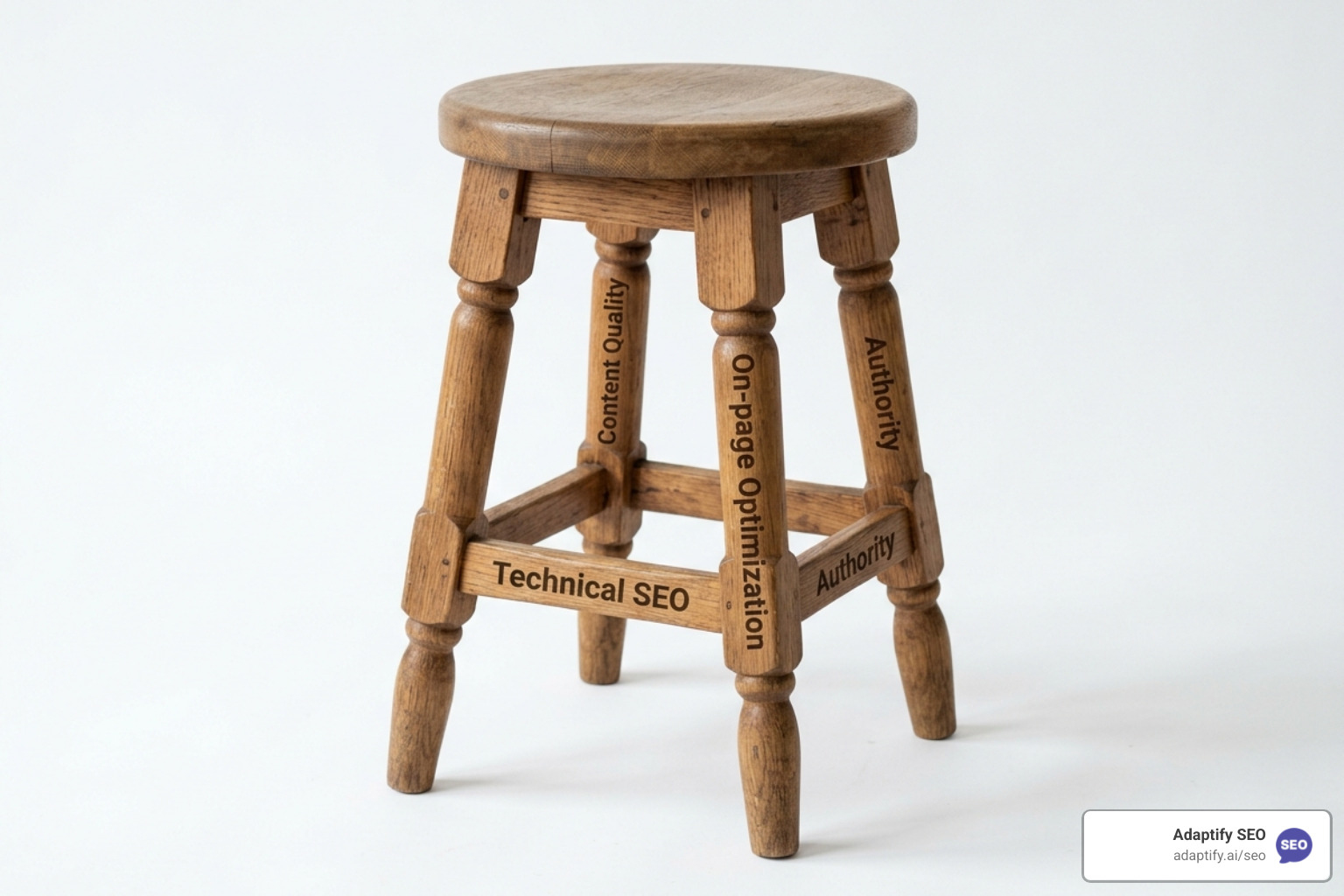
When I talk about effective SEO strategies, I like to think of them as a four-legged stool. If one leg is shorter than the others, the whole thing wobbles. In 2026, those legs are Technical SEO, On-Page Optimization, Content Quality, and Authority.
At the heart of any strategy is keyword research. But we aren't just looking for high-volume words anymore. We are looking for "keyword universes" that map to the buyer's journey. This starts with understanding user intent. If someone searches for "best SEO software," they want a list (informational/commercial). If they search for "Adaptify login," they want a specific page (navigational).
Modern on-page optimization means more than just putting a keyword in a title tag. It’s about semantic relevance—using related terms and synonyms so search engines (and AI models) understand the context of your page.
Not every website needs the same thing at the same time. If I’m working with a brand-new site, my priority is the "Essential Foundation." This means making sure Google can actually find the site (crawling and indexing) and that the site doesn't load like it’s running on a 1996 dial-up modem.
For established sites, I shift toward "High-Impact" tactics. This is where we look at content clusters and internal linking to dominate a specific topic. Finally, for mature sites, we look at "Advanced Scaling"—things like programmatic SEO or international expansion.
To help clients understand this roadmap, I often use SEO proposals that clearly break down these stages. It’s much easier to get buy-in when the client sees that we aren't just "doing SEO," but following a logical progression based on their site's maturity.
One of the most powerful ways to scale traffic in 2026 is programmatic SEO. This involves using database-driven templates to create hundreds or even thousands of high-quality, intent-specific pages.
Think about a job board. Instead of manually writing a page for every city, they create a template for "Software Engineer Jobs in [City]." This targets long-tail keywords, which actually account for about 70% of all search queries. Because these queries are so specific, the competition is lower and the conversion rate is often much higher.
| Intent Type | User Goal | Example Query |
|---|---|---|
| Navigational | Find a specific site/brand | "Adaptify.ai home" |
| Informational | Learn something or solve a problem | "How to do keyword research" |
| Transactional | Complete a purchase or action | "Buy SEO automation tool" |
Content is no longer just about word count. In fact, the average top-ranking page on Google is about 1,447 words, but those words must provide "information gain"—something new that isn't already on ten other websites.
I always recommend building "topic clusters." You have a main "pillar page" (like this guide) and several "cluster pages" that dive deep into specific subtopics. This signals to Google that you are a topical authority. For agencies, managing this at scale is tough, which is why content automation has become a lifesaver. It allows you to maintain a consistent publishing schedule—ideally 8-12 posts a month—which is one of the biggest predictors of SEO success.
Google’s AI Overviews (SGE) have changed the "click" game. AI Overviews now appear in over 25% of searches. To win here, your content needs to be "retrieval-ready."
This means using an answer-first structure. If your H2 asks a question, the very next paragraph should provide a direct, clear answer. Research shows that sites appearing as sources in AI Overviews saw their organic click-through rate (CTR) rise from 0.6% to 1.08%. That might sound small, but when you're dealing with 2 billion users, those fractions of a percent represent massive traffic.
Featured snippets are the "Position Zero" of search. To win them, I look for keywords where a site is already ranking in the top 10. Then, I structure a specific section of the page to match the snippet format—usually a 40-60 word paragraph, a clean bulleted list, or a table.
I also pay close attention to the "People Also Ask" section. Each of those questions is a "query angle." If you can answer those questions better than your competitors, you don't just rank for one keyword; you capture the entire conversation around that topic.
E-E-A-T stands for Experience, Expertise, Authoritativeness, and Trustworthiness. In a world of AI-generated fluff, showing real experience is your competitive moat. I always include detailed author bios with credentials and, where possible, original research or case studies.
Another "quick win" I love is the content refresh. Instead of always writing something new, go back to your pages ranking on page two of Google. Update the statistics, add a new section based on recent trends, and change the "last modified" date. This simple habit can result in 20-40% traffic growth for those specific pages within just a few months.
You can have the best content in the world, but if Google’s spiders can't crawl your site, it won't matter. Technical SEO is the floor you stand on. I start every project with a technical audit to find "crawl errors"—broken links, redirect chains, or pages blocked by robots.txt.
User experience is a direct ranking factor through Google’s Core Web Vitals. These metrics measure how fast your page loads (LCP), how quickly it responds to a user's click (INP), and how stable the layout is while loading (CLS).
Shockingly, 96% of websites fail the Core Web Vitals assessment on at least one page. If you can pass these tests—keeping your LCP under 2.5 seconds, for example—you have a massive advantage over the vast majority of the web.
Duplicate content is a silent killer. Whether it’s having both a "www" and "non-www" version of your site or having the same product in two different categories, it confuses search engines. I use canonical tags to tell Google which version of a page is the "master" copy.
I also swear by Schema Markup (JSON-LD). This is a bit of code that helps search engines understand exactly what is on your page—whether it’s a recipe, a review, or a FAQ. This is how you get those fancy "rich results" (like stars or price info) in the search results, which can boost your CTR by 20-30%. For agencies providing these technical fixes to clients, using white-label SEO services can help deliver these complex optimizations without needing a full-time developer on staff.
Backlinks are still a top-three ranking factor. But in 2026, we have to look beyond just "getting a link." Google is increasingly looking at brand mentions and unlinked citations. If a major news site mentions your brand name but doesn't link to you, Google still notes that as a signal of authority.
The "spray and pray" method of link building is dead. One link from a high-authority, topically relevant site is worth more than 500 links from random blogs.
I focus on:
Building this kind of authority takes time and effort. That’s why many agencies use backlink strategies that leverage AI to find opportunities and streamline the outreach process.
If you don't measure it, you can't improve it. I live in Google Analytics 4 (GA4) and Google Search Console. But I don't just look at "traffic." I look at qualified traffic. Are people staying on the page? Are they converting?
One of the hardest conversations I have with clients is about the timeline. SEO is a snowball, not a light switch. You might see minor improvements in a few weeks, but significant results usually take 3 to 6 months. For new sites or highly competitive industries like finance or legal, it can take up to a year to see a real ROI.
As for tools, you can do SEO for free using just Google’s own tools, but it’s like trying to build a house with a hand saw. Paid tools provide the competitive data, keyword difficulty metrics, and automated auditing that are essential for growth. If you’re curious about the costs involved in professional-grade strategy, checking out SEO pricing models can give you a better idea of the investment required.
I’ve seen a lot of "SEO disasters" in my time. Here are the ones I see most often:
There is no "silver bullet." The most effective approach is a balanced one that combines a fast, technically sound website with high-quality, expert-led content that is structured for both humans and AI retrieval.
Most websites see measurable improvements in traffic and rankings within 3 to 6 months. However, the "compounding" effect of SEO means that your results in year two will often be significantly better than year one.
You can handle the basics with free tools like Google Search Console and Lighthouse. However, to scale, perform deep competitor analysis, or manage multiple clients, paid tools are essentially a requirement in today's competitive landscape.
SEO is not a one-time project; it’s a long-term business strategy. In 2026, the winners are those who can blend the "old school" fundamentals of technical health and authority with the "new school" requirements of AI-ready content and E-E-A-T.
The beauty of SEO is that it compounds. Unlike paid ads, where the traffic stops the moment you stop paying, a well-executed SEO strategy continues to drive leads and revenue for years. It builds a "moat" around your business that competitors find very hard to cross.
For agencies, the challenge is keeping up with these constant changes while still delivering results for clients. This is where automation becomes your best friend. Adaptify.ai was built to handle the heavy lifting—from strategy formulation to content creation and PR link building—so you can focus on growing your agency.
Ready to stop chasing the algorithm and start leading it? Unlock your potential with Adaptify SEO and see how automated, AI-driven strategies can transform your organic growth.
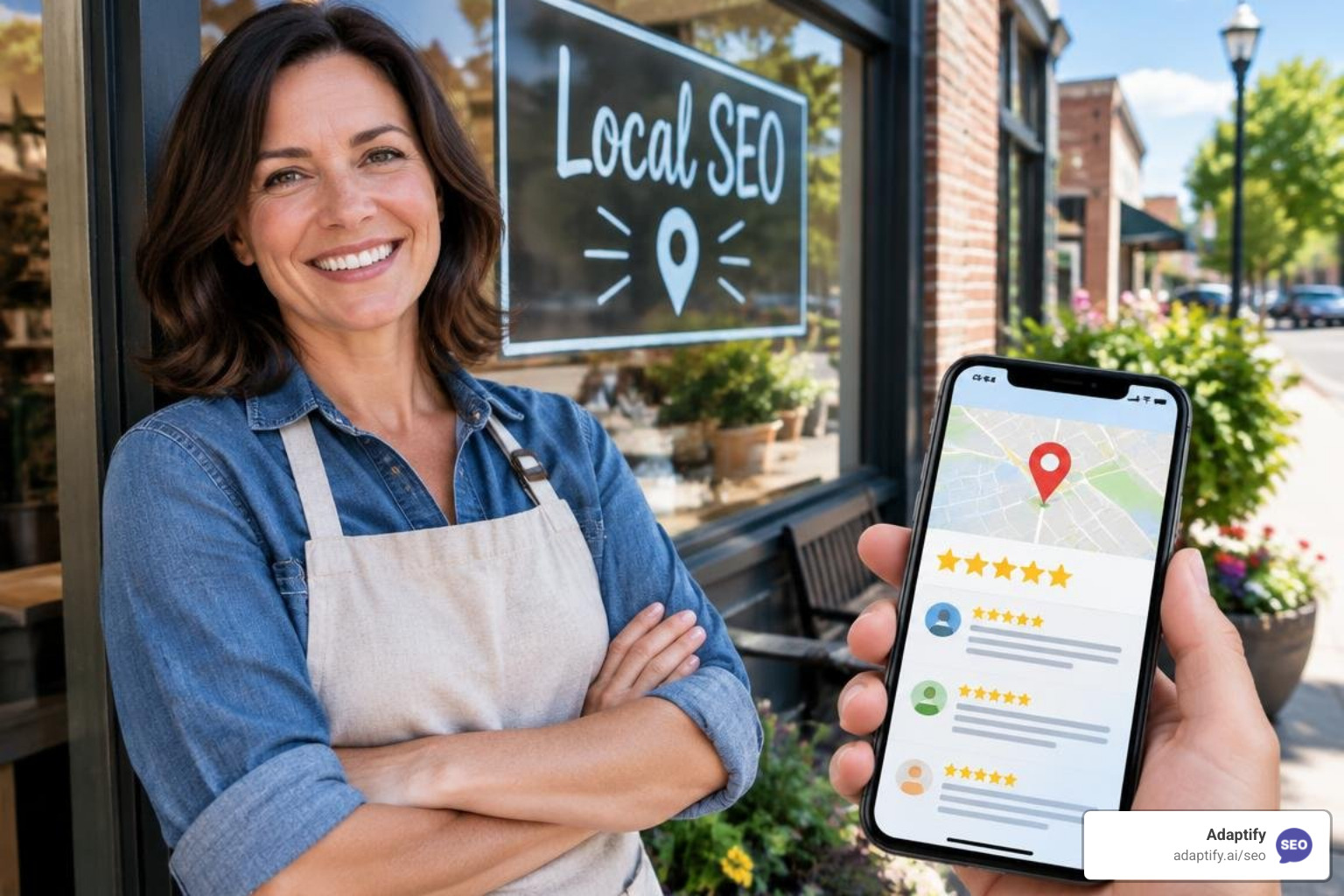
Stop being invisible: discover what the best local SEO strategies for small businesses are to dominate Google Maps, reviews, and AI search...
Master localized SEO to rank your local business in Google Maps and drive more in-store visits.
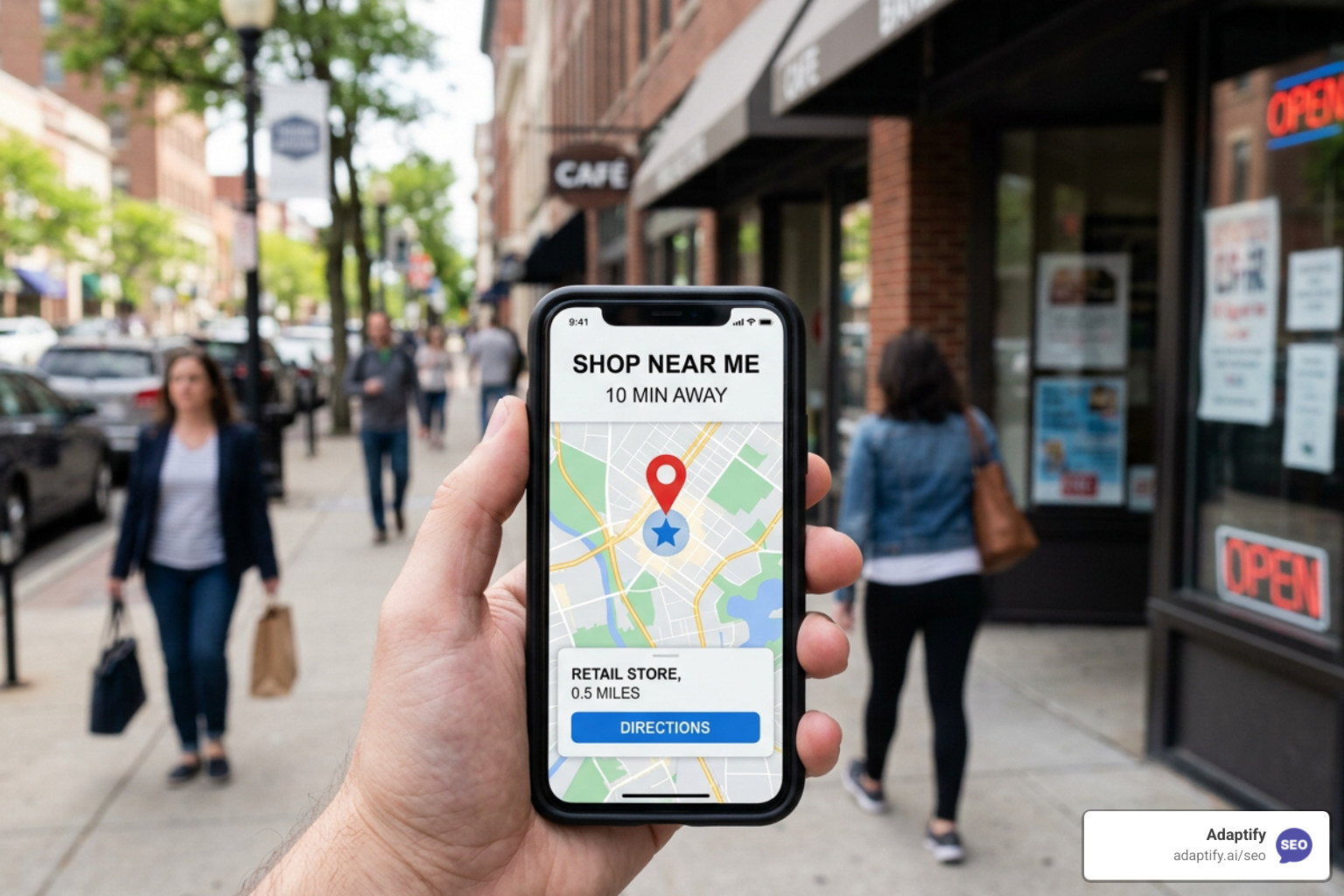
Master local retail SEO to drive foot traffic from Google with proven strategies for GBP, reviews, and AI search optimization.
Join 1,000+ agencies already delivering SEO and AI visibility from a single platform without increasing their headcount.Join 1,000+ agencies already delivering SEO and AI visibility from a single platform without increasing their headcount.