From Brainstorm to Broadcast: The Essential Content Creation Management Software List




When we talk about content creation management software, we are looking at the digital engine room of a modern brand. In the early days of the web, managing a site meant calling a developer every time you wanted to change a comma or update a single image. Today, a CMS (Content Management System) empowers marketers to own the entire website experience. It is a software application that allows users to create, manage, and modify digital content on websites without requiring extensive HTML or coding knowledge.
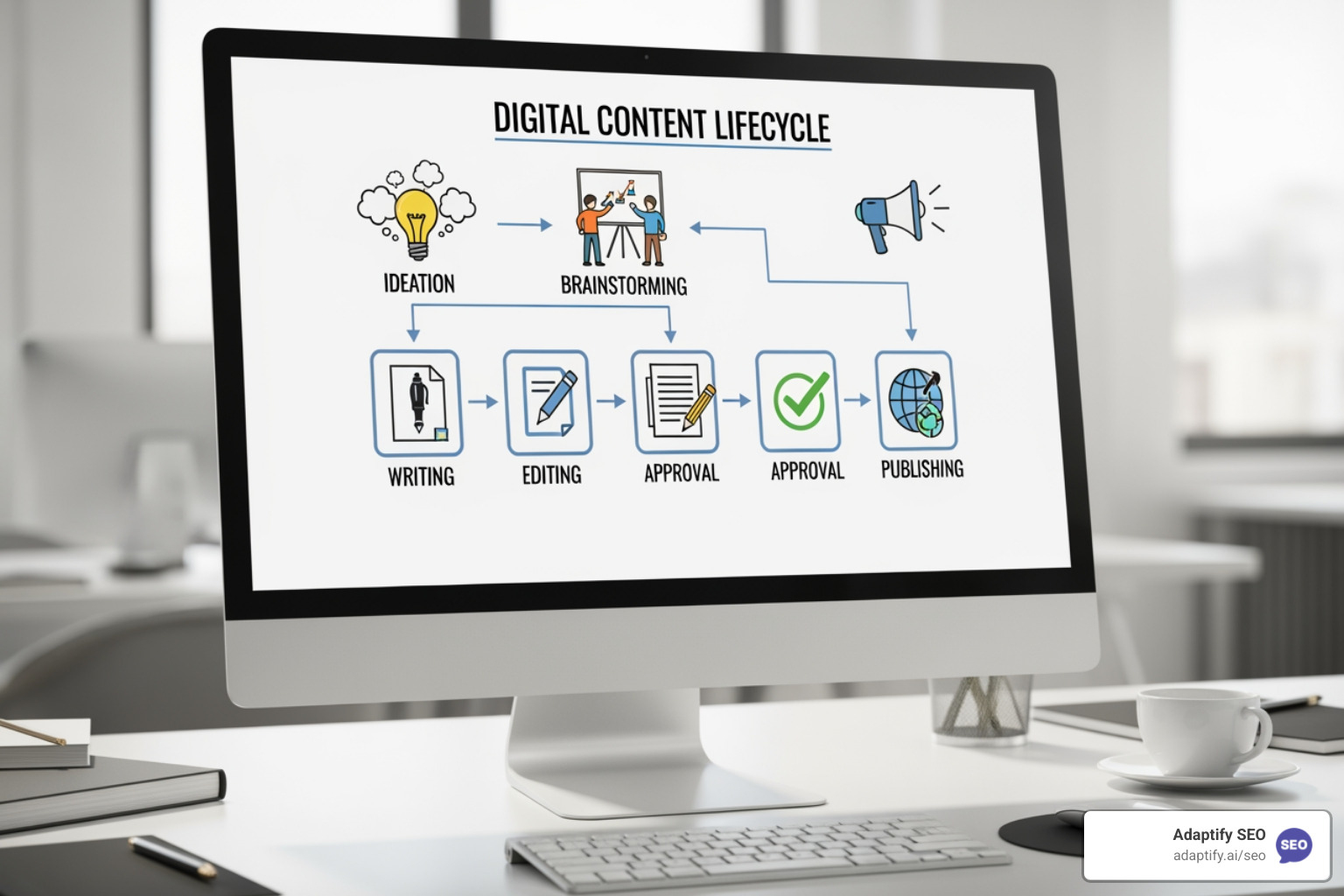
The difference between traditional website management and modern content creation management software is the focus on the content lifecycle rather than just the hosting. Modern platforms provide a centralized repository for digital assets, ensuring that your team isn't on a "wild copy-paste goose chase" across various folders and email threads. These tools are built for speed, control, and developer flexibility. By using flexible themes and headless architectures, developers can build the framework while marketing teams handle the day-to-day updates independently. This shift from static pages to dynamic content hubs allows businesses to react to market trends in real-time, ensuring that their digital presence is always fresh and relevant to their target audience.
Choosing the right platform can be overwhelming. To help you steer the landscape, I’ve compiled a list of the top 10 solutions based on their features, scalability, and how they handle the modern demand for AI and SEO.
| Software | Best For | Key Features | Pricing Model |
|---|---|---|---|
| WordPress | Versatility & SEO | Huge plugin library, user-friendly, open-source | Free to Enterprise |
| HubSpot CMS Hub | Marketers & Sales | CRM integration, built-in SEO tools, A/B testing | Tiered Subscriptions |
| Contentful | Multi-channel | Headless API, composable stack, developer freedom | Free to Enterprise |
| Sitecore | Enterprise Personalization | AI-driven behavior tracking, high-scale security | Custom Quote |
| Magento | E-commerce | Robust product management, Adobe integration | Custom Enterprise |
| Squarespace | Visual Creatives | Drag-and-drop, stunning templates, all-in-one | Monthly/Annual |
| Kontent.ai | Speed & Governance | AI agents, SOC 2 compliance, 320% ROI | Tiered Subscriptions |
| Sanity.io | Structured Content | Real-time collaboration, customizable studio | Free to Enterprise |
| Bynder | Editorial Scale | DAM integration, AI writing tools, templates | Custom Quote |
| Ghost | Professional Publishing | Clean UI, built-in newsletters, SEO focused | Monthly/Annual |
The world’s most popular CMS, WordPress powers over 40% of the internet. Its greatest strength is its ecosystem. You can find WordPress SEO plugins like Yoast or RankMath that handle everything from sitemaps to schema markup. It’s ideal for those who want a tried-and-tested platform with a massive community. For agencies, WordPress offers unparalleled flexibility, allowing for custom post types and deep integration with third-party marketing tools.
If you want your website to be a lead-generation machine, HubSpot CMS Hub is a top contender. It removes the stress of security and maintenance, allowing marketers to focus on the customer experience. Its HubSpot CMS Hub features include built-in SEO recommendations and seamless integration with the HubSpot CRM, making it easy to track how content influences the sales pipeline.
As a leading headless CMS, Contentful separates the "body" (the content) from the "head" (where it appears). This Contentful headless flexibility allows developers to use their favorite frameworks while marketers manage content that can be pushed to websites, mobile apps, or even smartwatches simultaneously. It is the gold standard for companies looking to build a "content-first" architecture that scales across multiple digital touchpoints.
When I evaluate software for a team, I look at four main pillars:
One of the biggest bottlenecks in content production is the "approval lag." I’ve seen teams lose weeks just waiting for a legal or brand sign-off. Modern content creation management software solves this by building the workflow directly into the editor, allowing for real-time collaboration and transparent tracking.
Tools like Asana and Trello are excellent for high-level Asana project tracking and Trello visual boards, but a dedicated CMS takes it further by hosting the actual content within that workflow. You can assign tasks, set role-based permissions (so an intern doesn't accidentally hit "publish" on the homepage), and use version control to see exactly what changed between drafts. This level of governance ensures that every piece of content meets brand standards before it ever goes live.
From an SEO perspective, these tools are a lifesaver. Instead of manually coding meta tags, modern platforms auto-embed metadata, generate sitemaps, and ensure mobile responsiveness. This is exactly why we built Adaptify.ai—to take that manual SEO burden off your plate. You can learn more about content strategy services to see how automation bridges the gap between a draft and a ranking page, ensuring your content is optimized for search engines from the moment it is created.
We are currently in the era of the "Agentic CMS." This isn't just about using ChatGPT to write a blog post; it’s about AI agents that can perform content audits, handle localization (translating into 20 languages in minutes), and ensure brand governance across thousands of pages. Automation is no longer a luxury; it is a necessity for staying competitive in a crowded digital landscape.
The statistics are hard to ignore. Research into platforms like Kontent.ai shows that AI-driven automation leads to 35% faster content creation and 90% faster deployment. For a large organization, this translates to a massive 320% ROI according to Forrester studies. By automating the repetitive tasks, your creative team can focus on high-level strategy and storytelling.
AI also improves efficiency through:
At Adaptify, we use this type of automation to help agencies scale. By connecting different tools through Zapier workflow automation, you can create a "hands-off" pipeline where strategy feeds into creation and then directly into publication, maximizing your output without increasing your headcount.

A CMS is essential because it automates the technical "boring stuff" that search engines love. It provides built-in tools for keyword research, performance tracking, and schema markup. For example, users of specialized SEO-focused CMS plugins have reported a +30% increase in organic traffic, and in some cases, a 20x increase in organic traffic by simply having their HTML optimized and their internal linking automated. Furthermore, a good CMS ensures that your site meets Core Web Vitals standards, which is a critical ranking factor for Google.
I get asked this a lot. Think of it this way: ClickUp or Asana are for managing people and tasks. A CMS is for managing and hosting the content. While ClickUp flexibility allows you to track a blog post's progress through various stages of production, the CMS is where you actually write the post, add the images, and click "publish" to the live web. A CMS acts as the centralized repository that eliminates organizational silos by providing a single source of truth for all digital assets.
AI reduces the "busywork" that often plagues content teams. It can handle sentiment analysis to see if your brand voice is consistent across different channels, or automate a 80% reduction in workload for social media teams using chatbot capabilities. Furthermore, platforms like Kontent.ai prioritize security and AI compliance, ensuring that your automated workflows meet SOC 2 and GDPR standards. AI also enables hyper-localization, allowing brands to adapt their content for different regions and cultures with minimal manual effort.
The journey from a messy brainstorm to a successful broadcast doesn't have to be a struggle. By choosing the right content creation management software, you move from a reactive state of "fixing things" to a proactive state of growth. Whether you are a solo entrepreneur using Squarespace or a global agency leveraging the automated power of Adaptify SEO, the goal is the same: produce high-quality content that drives measurable ROI.
Modern tools allow you to measure that ROI through detailed analytics and conversion tracking, ensuring that every word you publish contributes to your bottom line. As we move into 2025, the integration of AI and automation will only become more critical for maintaining a competitive edge. If you're ready to stop the manual grind and start scaling your agency's output, check out our automated SEO pricing and plans to see how we can help you lead the way in the coming year.

Stop being invisible: discover what the best local SEO strategies for small businesses are to dominate Google Maps, reviews, and AI search...
Master localized SEO to rank your local business in Google Maps and drive more in-store visits.

Master local retail SEO to drive foot traffic from Google with proven strategies for GBP, reviews, and AI search optimization.
Join 1,000+ agencies already delivering SEO and AI visibility from a single platform without increasing their headcount.Join 1,000+ agencies already delivering SEO and AI visibility from a single platform without increasing their headcount.