Localized SEO Explained So Simply Even Your Grandma's Bakery Can Rank



Localized SEO is the practice of optimizing your online presence so your business shows up when nearby customers search for what you offer — on Google Search, Google Maps, and in the local map pack.
Here's what localized SEO covers at a glance:
If you've ever searched for a service nearby and seen a map with three business listings underneath it, you've already seen localized SEO in action. That little map pack is some of the most valuable real estate on the internet. And the numbers back it up: 30% of all mobile searches are location-related, 78% of people who search for something nearby visit a business within a day, and 28% of those searches end in a purchase.
That means customers aren't just browsing — they're ready to buy. And if your business isn't showing up, a competitor down the street is getting those customers instead.
This guide breaks down exactly how localized SEO works, what moves the needle, and what you need to do to show up when it counts.
I'm Hansjan Kamerling, product designer and marketing consultant at Adaptify AI — I've spent years helping SaaS platforms and growing businesses build scalable digital strategies, including localized SEO systems that don't require constant manual effort. Let's get into it.
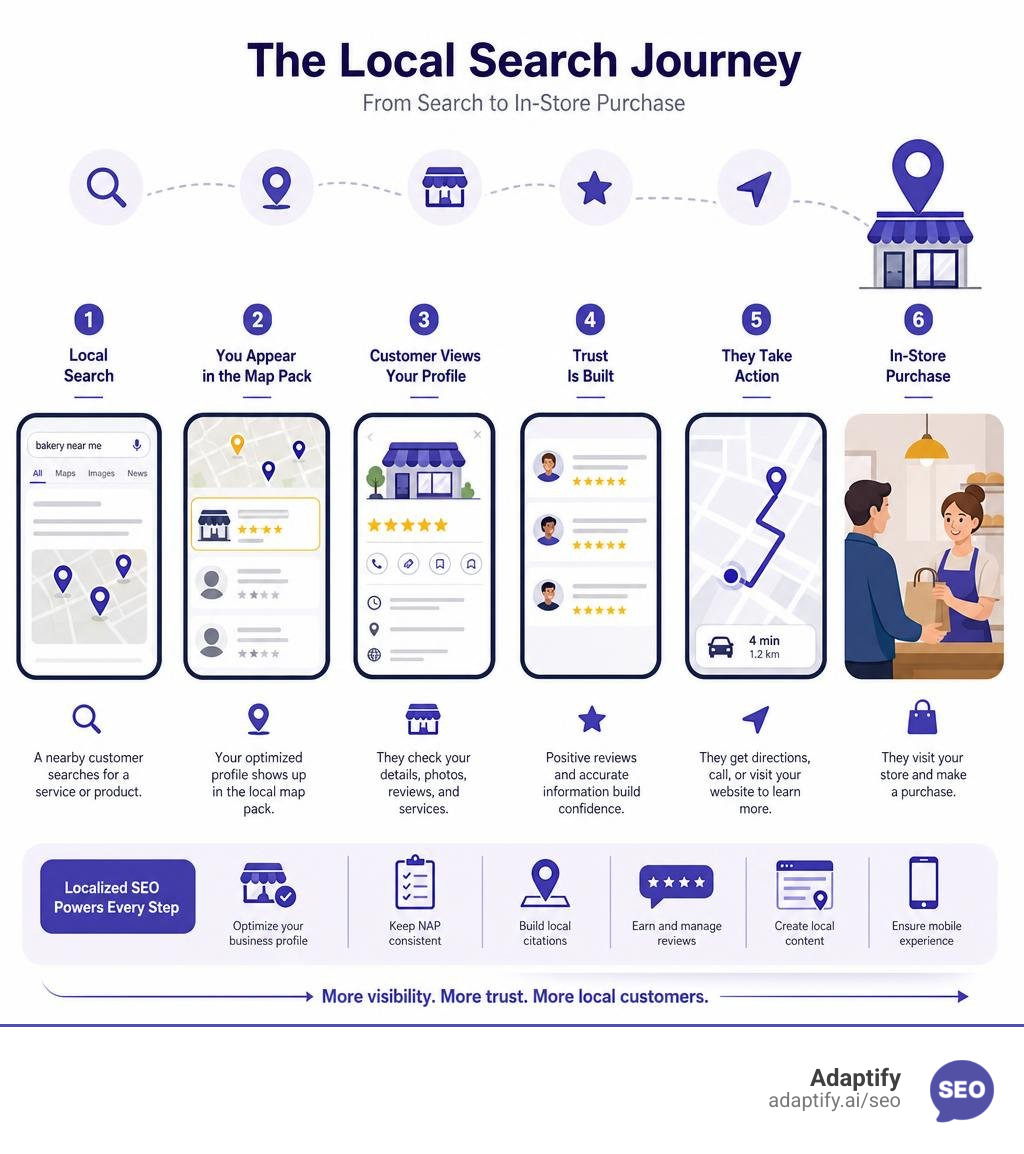
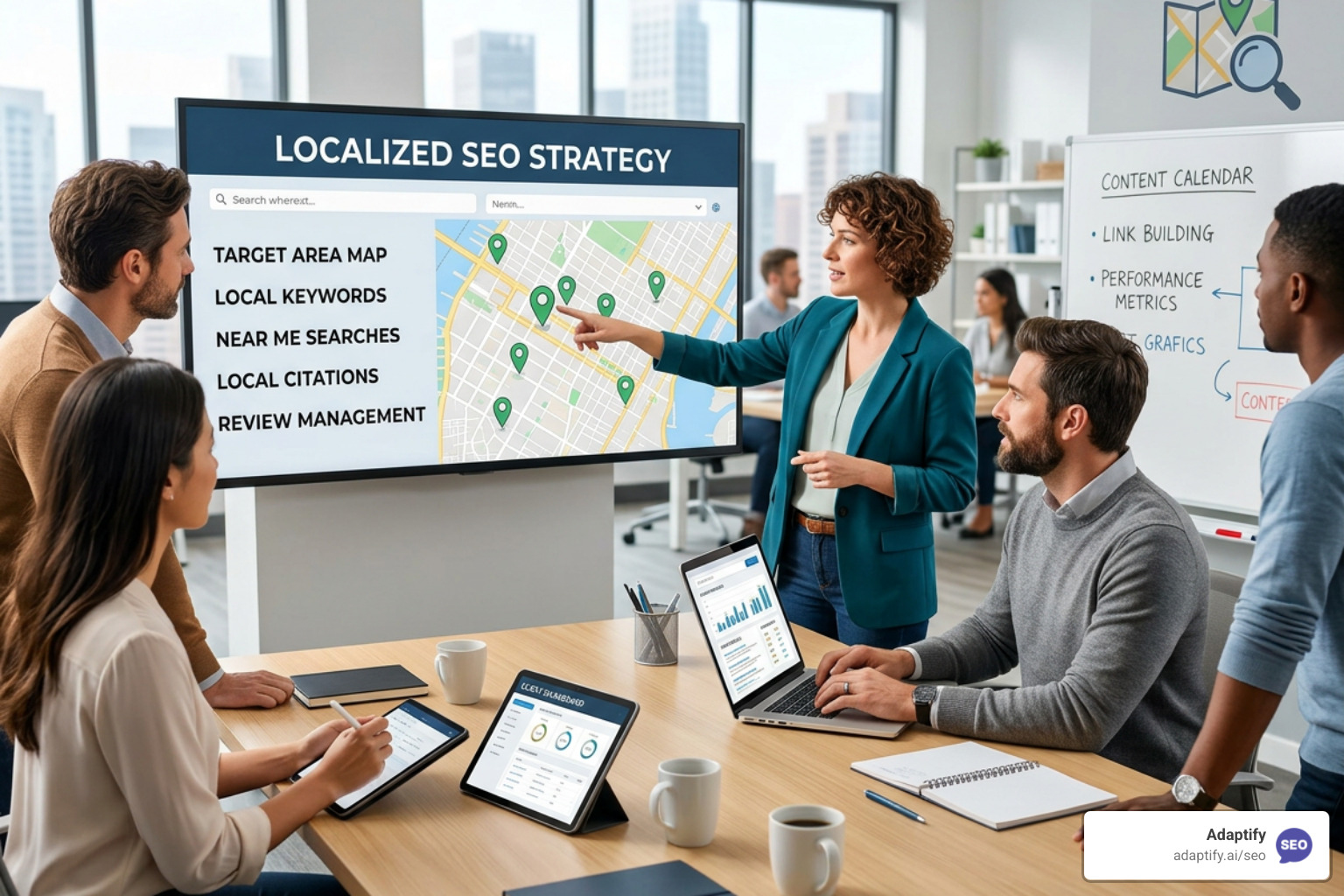
To get your business on the map (literally), you need to understand how search engines view the physical world. Unlike broad, informational searches—such as "how to bake sourdough bread"—local searches carry a specific "local intent." When someone types "sourdough bread near me" or "bakery in downtown," Google knows they want a physical storefront or a service provider who can visit their location.
Google evaluates these queries using three core pillars:
To understand how this differs from standard search strategies, let's look at this comparison:
| Aspect | Traditional SEO | Localized SEO |
|---|---|---|
| Primary Goal | Rank for broad keywords globally or nationally | Rank for geographic-specific queries in a set area |
| Main Ranking Assets | High-quality blog content, global backlinks, technical site health | Google Business Profile, local reviews, NAP consistency |
| Search Intent | Informational or transactional (non-geographic) | Navigational, urgent, or location-specific |
| Key Surface | Standard organic blue links | Google Maps, the Local Map Pack, and localized organic links |
While traditional SEO focuses on positioning your website for broad keywords across the globe, localized SEO targets specific geographic boundaries. This is highly relevant whether you operate a single physical bakery, manage a multi-location service business, or even deploy a global brand adapting to regional search behaviors.
If you want to understand the foundational steps of setting up a local campaign, I highly recommend checking out Cracking the Local Code: A Beginner's Guide to SEO Success.
When you scale this concept to multiple regions or international markets, it evolves into SEO localization. At this level, you aren't just translating words; you are adapting to localized search behaviors, cultural nuances, and regional terminology. For example, a buyer in the US searches for "sneakers," while a UK buyer looks for "trainers."
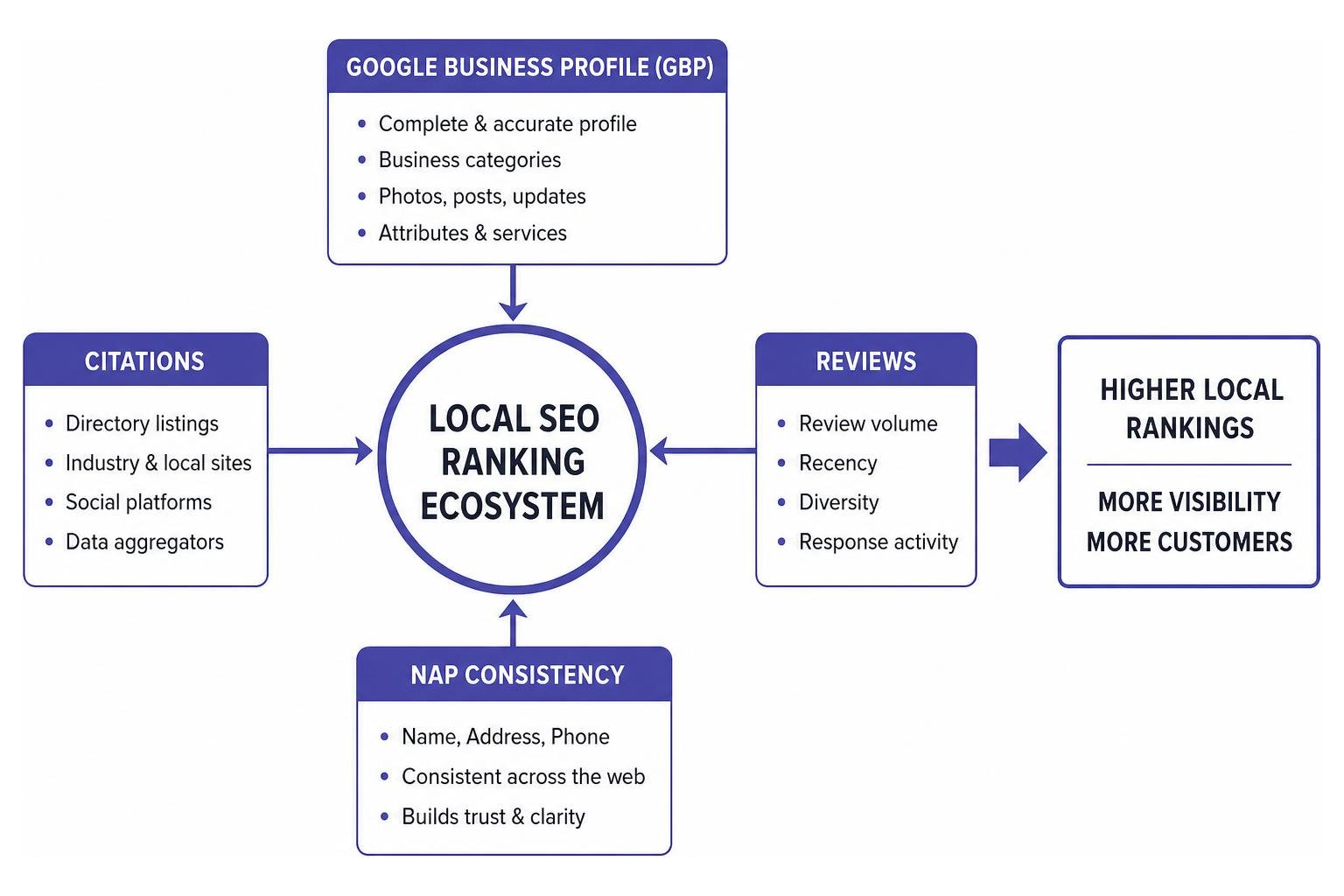
Google uses a completely separate algorithm to power its Map Pack results compared to its standard organic blue links. To win in the Map Pack, you must optimize the signals that Google's local algorithm values most.
For a deeper dive into structuring these signals, you can read The Ultimate Guide to Local SEO Strategies.
Setting up your profile is only the first step; active optimization is where you win.
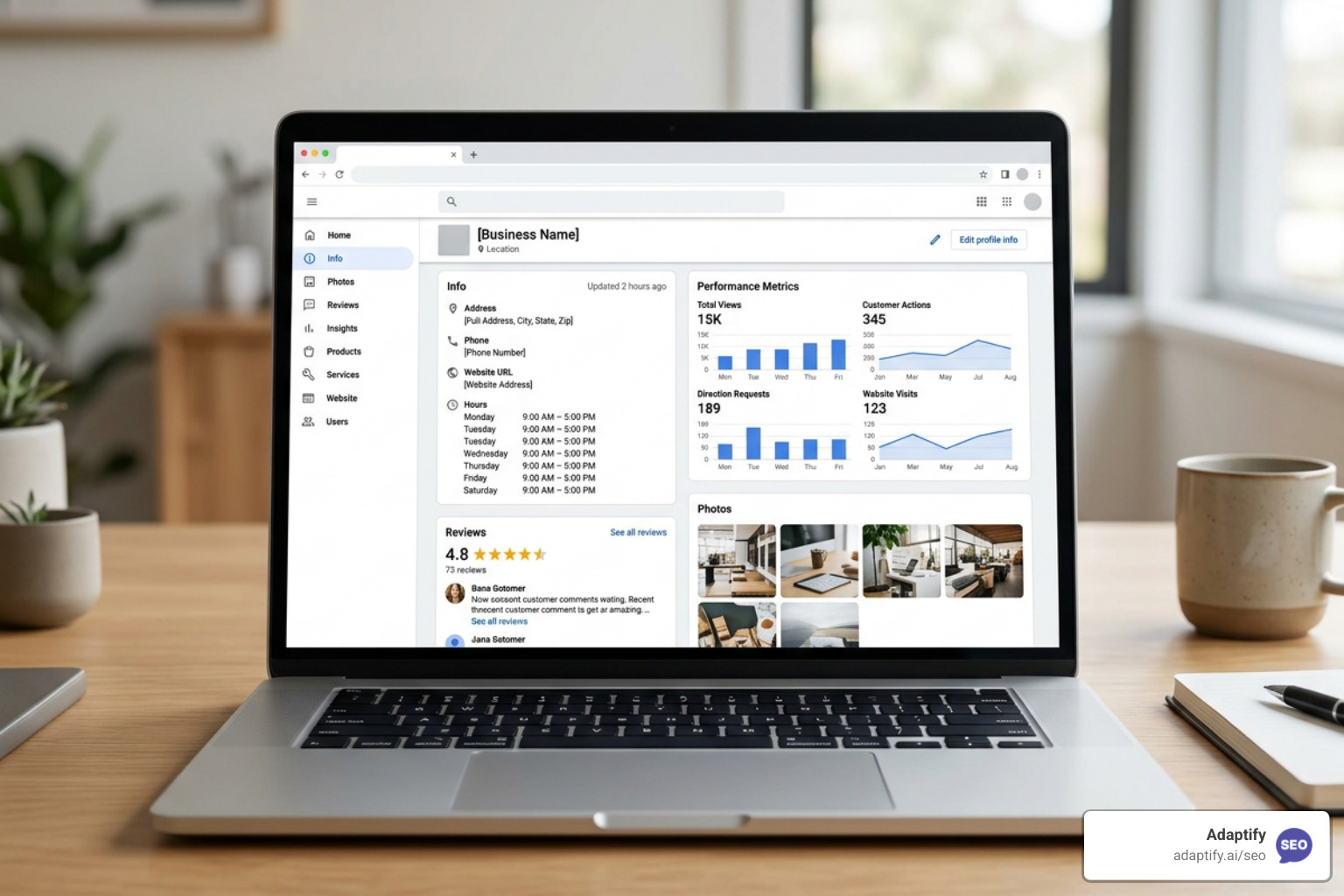
Follow these steps to ensure your profile is fully optimized:
Your website needs to work in tandem with your Google Business Profile. If you have multiple locations, you should build dedicated location landing pages rather than squeezing everything onto a single homepage.
To optimize your website for local search:
As we move through 2026, the search landscape is experiencing a massive shift. Search engines are no longer just delivering a list of clickable blue links; they are synthesizing answers directly on the search page using AI Overviews. This evolution has introduced a new discipline: Generative Engine Optimization (GEO).
For local businesses, this means your information must be highly structured, factual, and consistent so that AI models can extract and cite your business as a trusted recommendation. AI models look for "entity reliability." If your NAP details are inconsistent, or if you lack authoritative E-E-A-T (Experience, Expertise, Authoritativeness, Trustworthiness) signals, AI engines will bypass your business in favor of a competitor with cleaner data.
To understand how to navigate this change, you can read Local SEO is Dead, Long Live GEO: Boosting Local Visibility in AI.
To get cited by AI engines, you must focus on semantic clarity and localized authority. Additionally, if you are managing multi-market or multilingual campaigns, implementing structured data and maintaining regional expert authorship is crucial to winning international AI citations, as outlined in this guide on Localization and translation for GEO/AEO | Lokalise.
You cannot improve what you do not measure. Localized tracking requires a different approach than standard rank tracking because search results change block-by-block. A user searching for a bakery from their office will see different Map Pack results than someone searching from their home just two miles away.
To get an accurate picture of your performance:
Localized SEO is not a "set-it-and-forget-it" task. It is an ongoing cycle of maintaining accurate data, earning customer reviews, publishing localized content, and adapting to the latest AI search technologies.
For busy business owners and growing marketing agencies, managing all of these moving parts manually can quickly become overwhelming. That is where we come in. At Adaptify.ai, we offer automated SEO services built specifically to streamline your processes—from local keyword strategy formulation to AI-driven, high-quality content creation and authoritative PR link building. We help agencies scale their operations and boost their clients' local and generative search visibility without the heavy manual lift.
Ready to put your local rankings on autopilot and outpace your competitors? Start your free trial with Adaptify today and watch your local visibility grow.
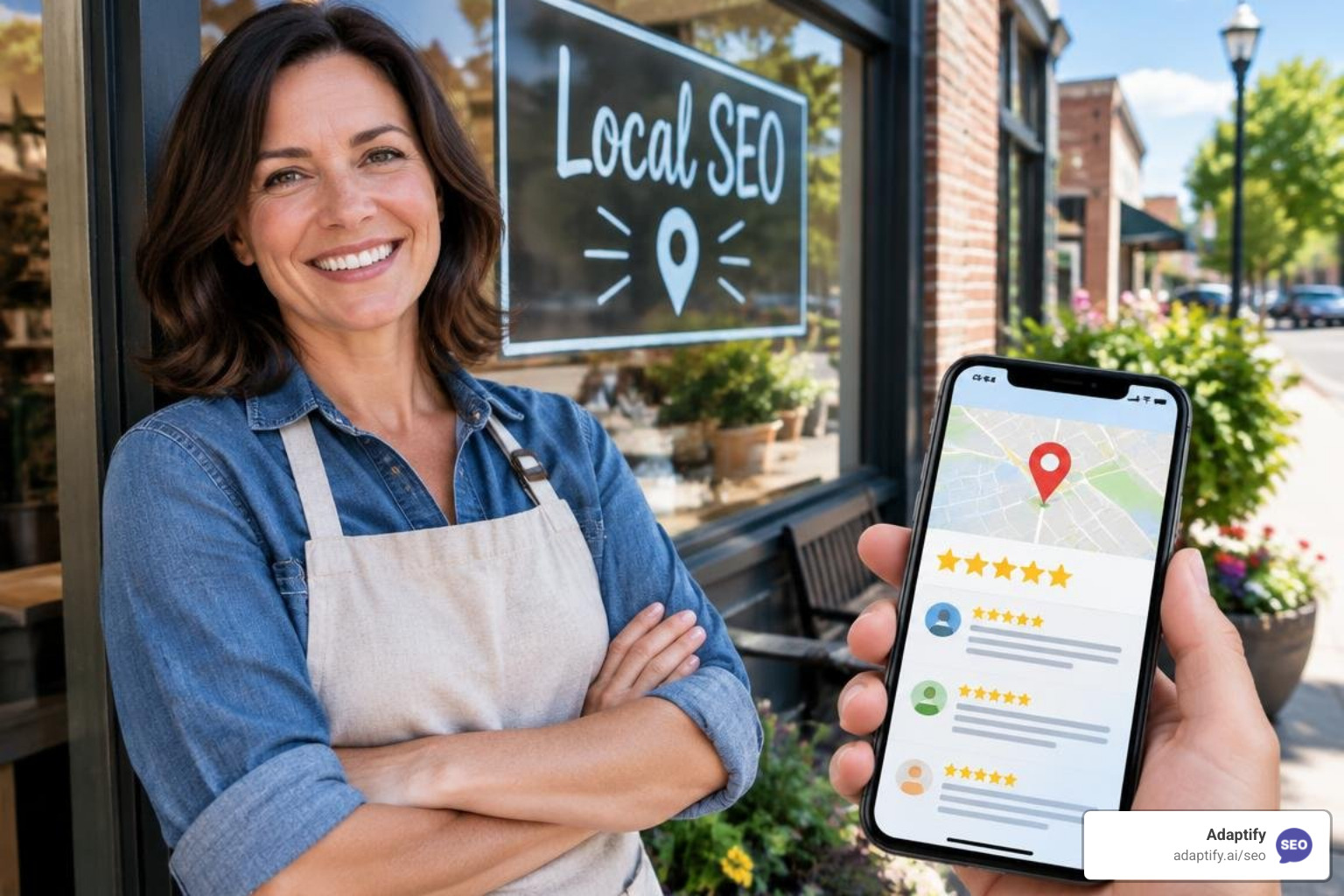
Stop being invisible: discover what the best local SEO strategies for small businesses are to dominate Google Maps, reviews, and AI search...
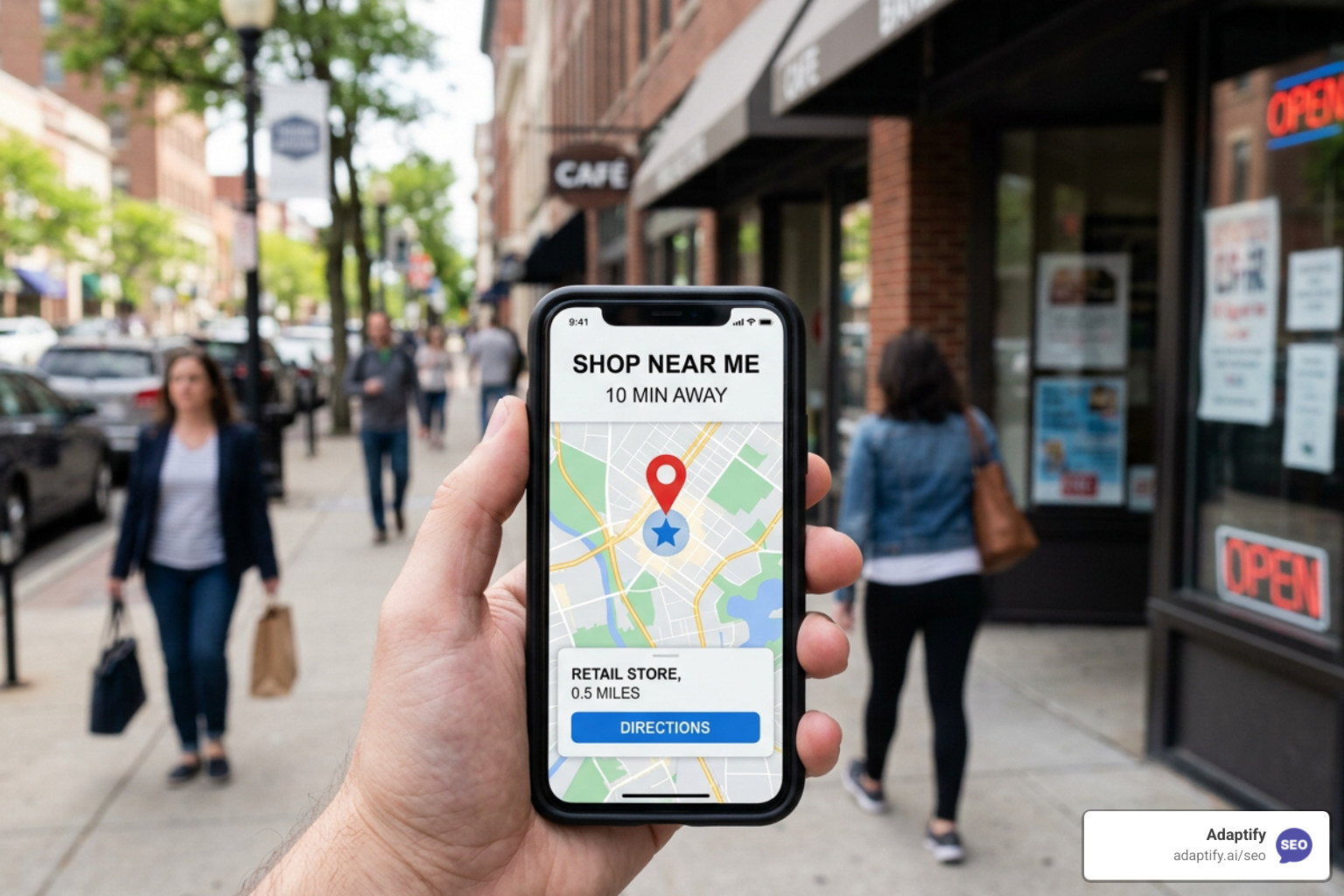
Master local retail SEO to drive foot traffic from Google with proven strategies for GBP, reviews, and AI search optimization.

Learn how to build a clean off-page SEO proposal that wins clients without raising red flags, using white-hat digital PR and transparent l...
Join 1,000+ agencies already delivering SEO and AI visibility from a single platform without increasing their headcount.Join 1,000+ agencies already delivering SEO and AI visibility from a single platform without increasing their headcount.