From Low Traffic to Domination: Real eCommerce SEO Case Studies

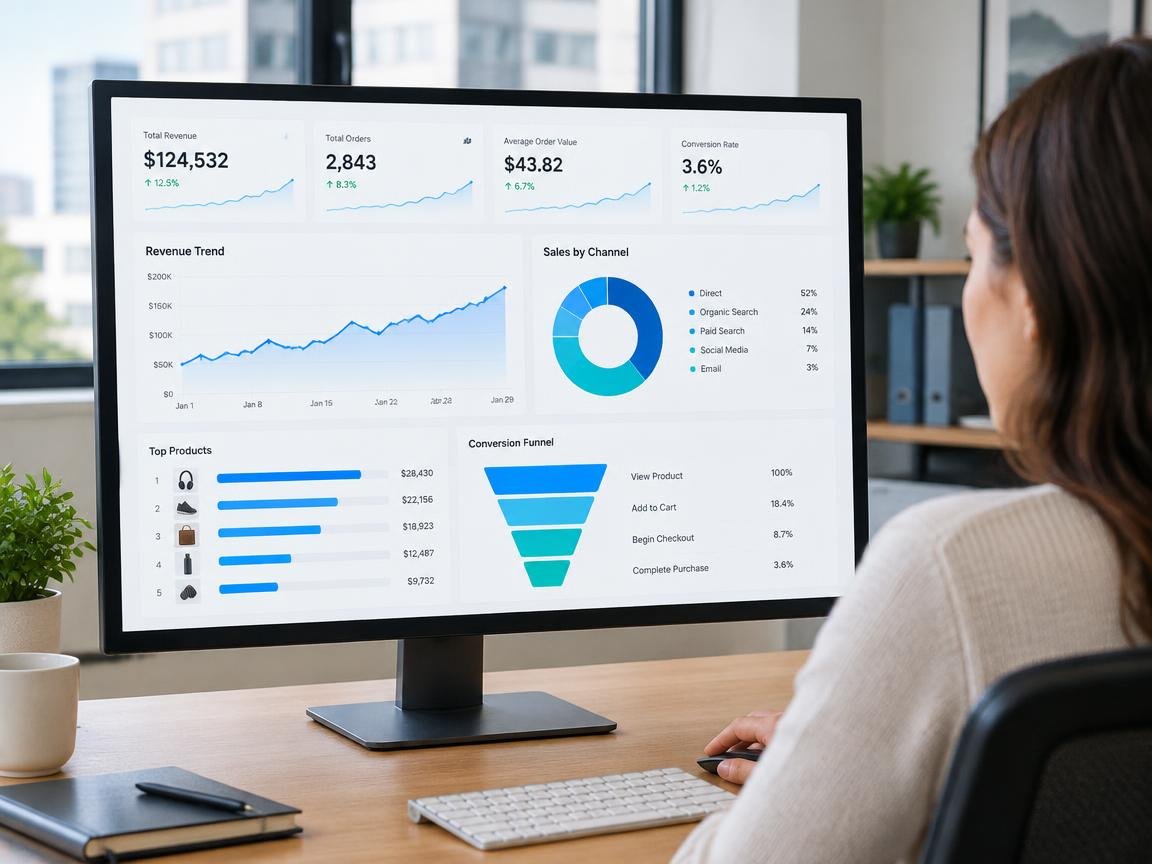

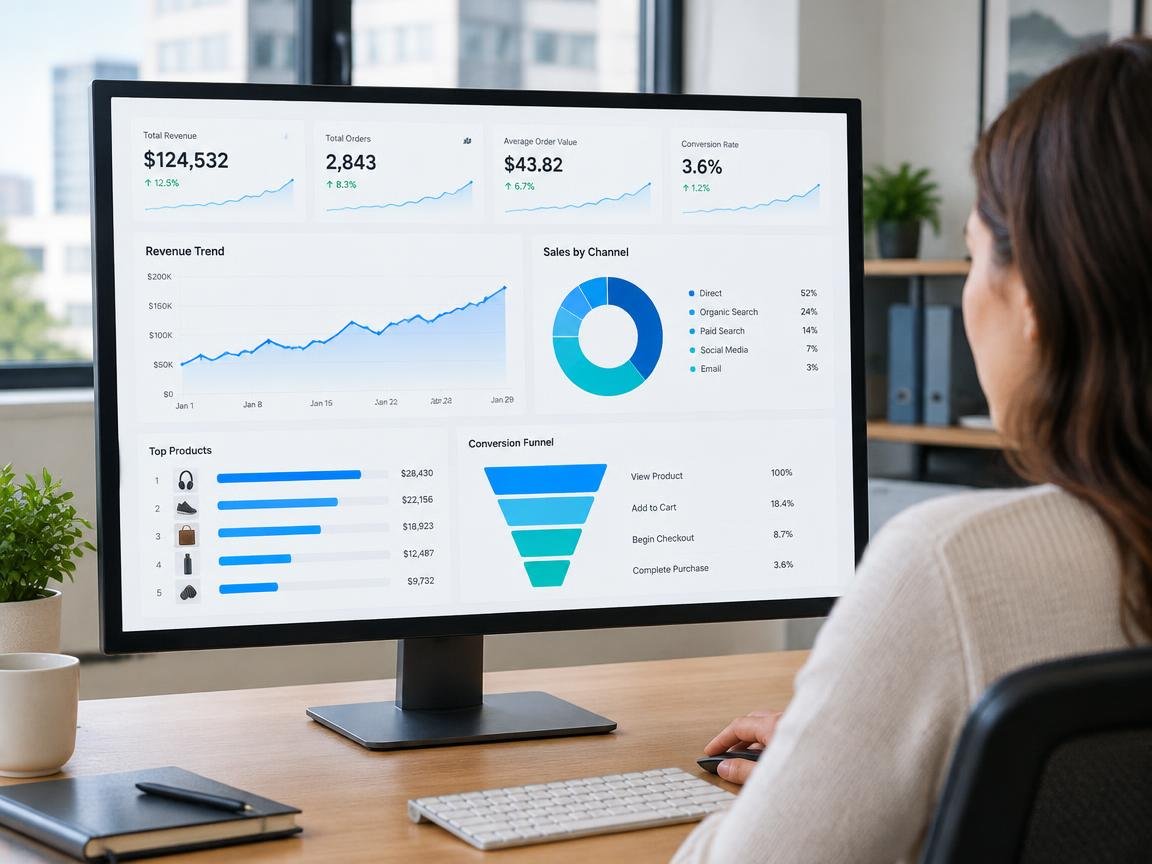
A useful seo ecommerce case study shows what changed, how long it took, and whether the extra traffic led to sales. The strongest examples in this collection pair technical fixes with pages that match shopping intent. One store reported 312% more organic traffic in 90 days after work on crawling, indexing, and conversion. Another reported 2.25 times more organic revenue after improving its category pages and buying guides.
These results are not promises. They show why agencies should check whether search engines can reach key pages before scaling content or link building, then measure revenue alongside clicks and rankings.
Luke Heinecke is Adaptify’s Chief Revenue Officer and has more than nine years of experience in marketing and agency operations. He brings that growth-focused perspective to each seo ecommerce case study in this collection, starting with the tactics behind the results.
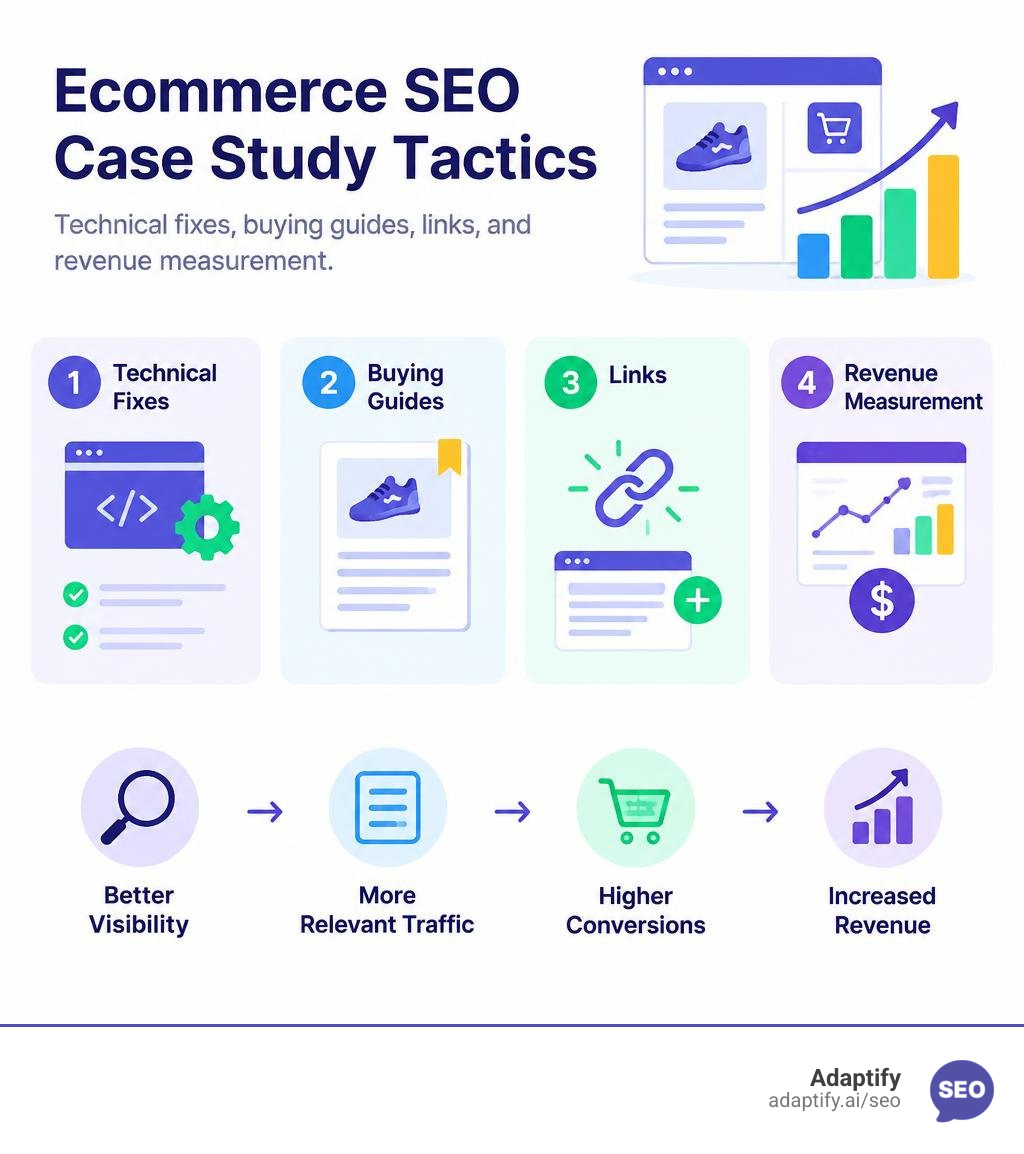
Analyzing empirical performance data across retail niches highlights how technical fixes, structured content, and link acquisition combine to drive revenue. High-performing campaigns avoid treating organic search as an isolated traffic metric; instead, they build foundational site health to support commercial discovery.
The table below contrasts the outcomes of technical remediation versus content-led initiatives across representative retail brands:
| Strategy Focus | Primary Focus Areas | Traffic Impact | Commercial Outcome |
|---|---|---|---|
| Technical Foundation | Crawlability, robots.txt, canonicalization, click depth | +312% sessions in 90 days | Indexed URLs grew from 12 to 176; revenue up 747% |
| Content & Buying Guides | Hybrid category pages, FAQs, comparison articles | +80% to +428% organic traffic | 2.25x revenue boost; CAC reduced by 82% |
| Authority & Outreach | Backlink gap closing, E-E-A-T building, tier-1 links | +100% organic traffic in 7 months | 91,000 new ranking keywords across collection pages |
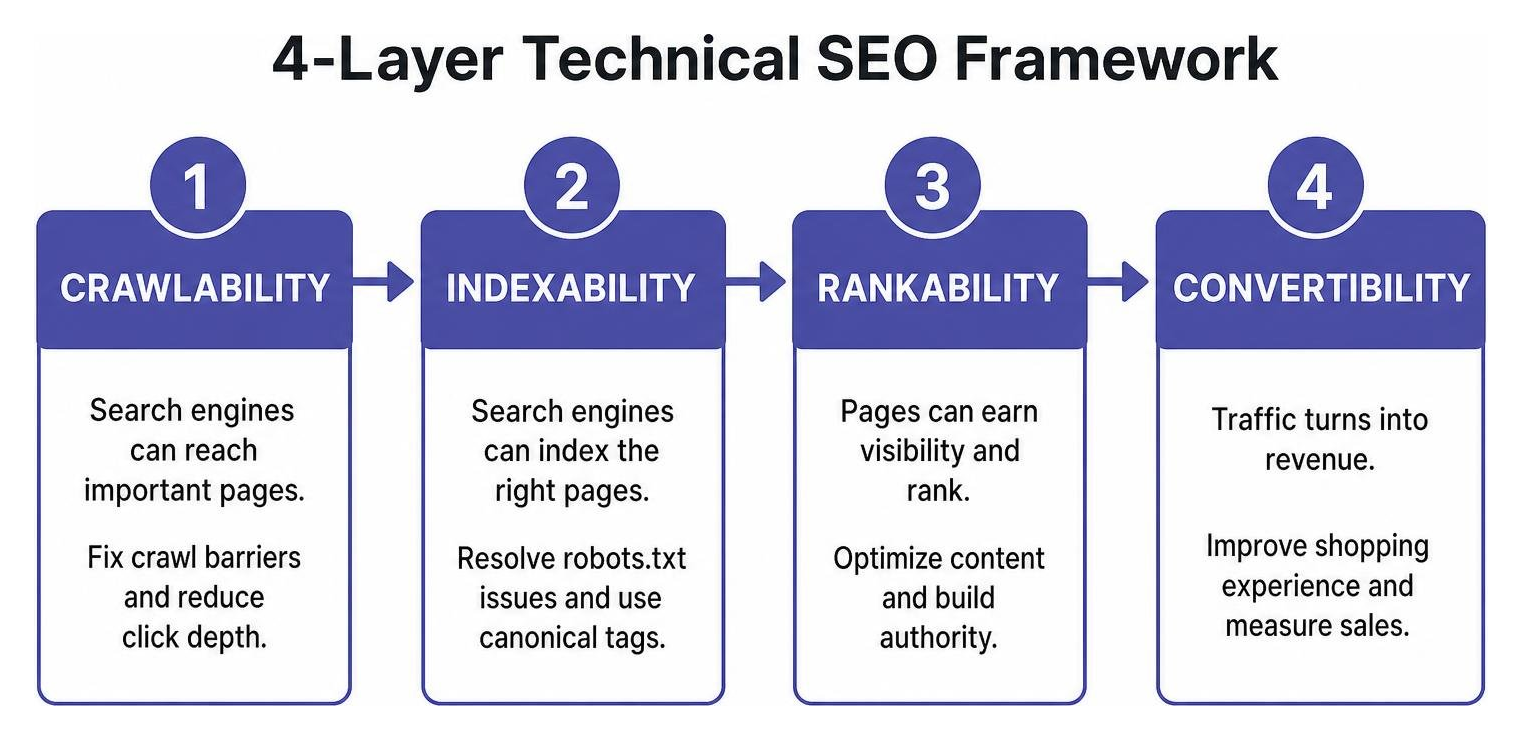
Executing technical remediation requires a disciplined build sequence: crawlability, indexability, rankability, and convertibility. Publishing editorial content on an unoptimized website architecture wastes resources because search engine bots encounter crawl barriers before reaching core product lines.
In an illustrative study, the 4-Layer Foundation That Scaled Traffic 312% demonstrated how resolving robots.txt misconfigurations and flattening click depth from 5.7 down to 2.1 clicks increased Google's crawl rate by 340% within two weeks. Implementing canonical tags across 340+ variant parameter URLs allowed search bots to consolidate ranking equity onto master URLs. Similar technical considerations are vital during complex ecommerce platform migrations, where redirect mapping and canonical logic prevent severe organic ranking drop-offs.
Off-page equity remains essential for commercial ranking stability. Search engines assess authority and trust signals through external citations. According to industry analyses, the top-ranking organic result averages 3.8 times more backlinks than positions two through ten, yet roughly 95% of web pages have zero external links.
Closing competitive link gaps requires targeted outreach rather than generic directory submissions. In a campaign for a curated apparel marketplace, auditing backlink deficits and securing contextual links on relevant digital publications drove a 100% traffic increase and secured 91,000 new keyword rankings over seven months. When evaluating competitive agency case studies, off-page authority building consistently distinguishes sites that dominate competitive non-brand keywords from those that stall.
Standard category pages often feature basic product grids with minimal contextual copy. A direct-to-consumer eyewear brand restructured conventional collection pages into comprehensive buying guides.
By integrating lifestyle benefit blocks, purchase FAQs, and trust badges directly above and below collection grids, the brand resolved internal keyword cannibalization and captured high-intent commercial queries. This strategy achieved a 2.25x organic revenue growth and an 80% boost in organic traffic.
Launching an online store without historical domain authority requires precise page-level targeting. A new fragrance retailer in Switzerland built an organic footprint from scratch by treating every product detail page as a dedicated SEO asset.
Configuring precise hreflang tags across German, French, and English, combined with comprehensive Product schema markup, enabled the store to generate 350,000 impressions and 7,940 organic clicks within 16 months. Over 40% of all organic clicks came directly through rich snippet results, proving that structured data can secure search visibility even in competitive markets.
Relying exclusively on paid social ads exposes retail margins to rising acquisition costs. An apparel brand shifted from a paid-dependent model to an organic-first strategy.
The initiative resolved 3,200+ crawl errors, rewritten 84 category hubs, and mapped long-tail consumer queries into editorial buying guides. Within 12 months, the brand achieved 428% organic traffic growth, with organic search revenue expanding from 8% to 31% of total sales. Most notably, the customer acquisition cost for organic search was $12 compared to $67 for paid social—an 82% cost reduction that allowed the brand to trim paid ad spend by 18% without sacrificing top-line volume.
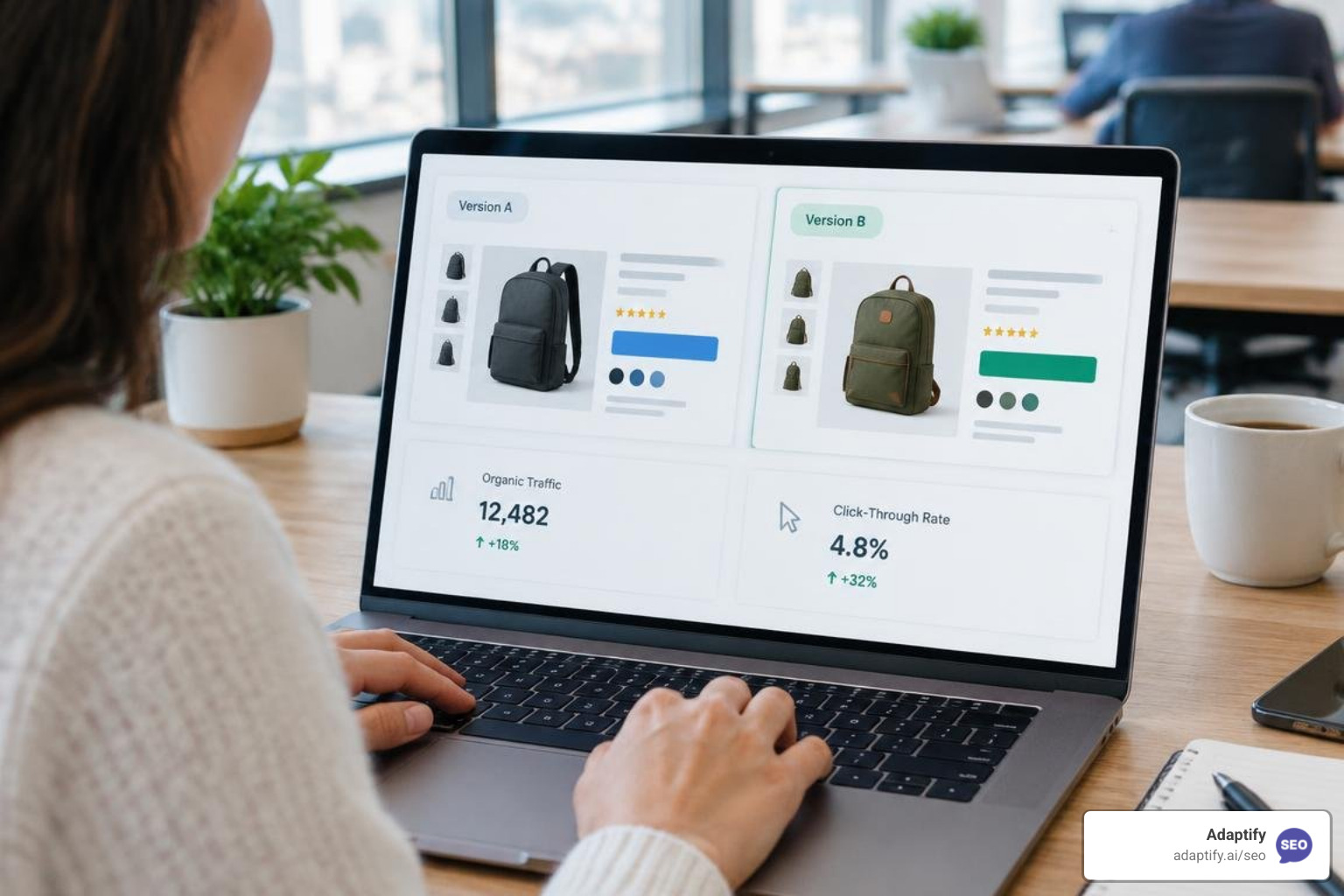
Empirical testing across retail sites demonstrates that minor adjustments to metadata and page architecture yield substantial organic growth.
Split-testing metadata reveals specific formatting adjustments that improve organic visibility:
Search engines favor content that is immediately accessible in the primary HTML DOM. Testing confirms that revealing content hidden behind accordions and tabs delivered a 12% increase in organic sessions, while un-hiding mobile content increased visits by 7.5%.
Maintaining breadcrumb navigation is equally critical; removing breadcrumb link structures caused an immediate 5.5% drop in organic traffic due to weakened internal link equity. Deploying JSON-LD Product and Offer schema ensures prices, review ratings, and inventory status appear directly in search results, lifting click-through rates by up to 34%.
Retail search spans traditional search engines, conversational AI platforms, and localized geographic discovery. Incorporating local retail search optimization strategies and consulting a broader directory of proven business case studies helps businesses expand multi-channel touchpoints.
Answer Engine Optimization (AEO) prepares product catalogs for inclusion in conversational engines like Google AI Overviews, ChatGPT, and Perplexity. Generative engines favor pages that provide concise answers to natural language questions, such as "What is the best material for winter running jackets?" Structuring collection pages with explicit question-and-answer modules and factual product entity definitions ensures online stores appear in both traditional search rankings and AI-synthesized recommendations.
Traditional physical retailers often fail to maximize search visibility when entering digital retail. In one study of a 20-year-old artisan bakery, transforming basic homepage menus into dedicated, indexable ecommerce product cards increased mobile organic traffic from 171 to 785 monthly visits—a 460% increase in seven months. Pairing optimized Google Business Profiles with localized schema markup and structured category pages enables local stores to capture high-intent geographic and national shopping searches simultaneously.
Measurable ranking and traffic increases typically appear between four and seven months. Initial improvements stem from technical error resolution and indexing fixes in months one and two. Traffic velocity accelerates in months four through seven as content matures and link authority accumulates, delivering compounding revenue growth over multi-year horizons.
Technical fixes ensure that search engines crawl and index product pages efficiently, unlocking consistent streams of non-brand search traffic. Because organic visits do not incur incremental cost-per-click charges, scaling non-brand visibility diversifies the acquisition mix, reduces dependency on volatile paid ad channels, and lowers blended customer acquisition costs.
The most common execution errors include:
Scaling an ecommerce store requires continuous execution across technical site architecture, keyword-targeted landing pages, on-page optimization, and authoritative backlink acquisition. Success relies on fixing crawl and indexation foundations before deploying high-intent buying guides, Product schema, and strategic internal links.
Modern growth strategies leverage automation to execute these systems consistently. By streamlining topical mapping, content production, and digital PR link building, online retailers and agencies can eliminate manual bottlenecks, capture sustainable non-brand search volume, and drive durable revenue growth. To explore enterprise execution in detail, examine proven ecommerce organic scaling strategies that turn organic search into a predictable growth channel.
Explore enterprise case studies with solutions across industries, plus a step-by-step guide to crafting credible, high-impact business pro...

From Magento to Shopify: An eCommerce SEO Migration Case Study - Learn about ecommerce migration seo case study
Explore real SEO agency case studies that delivered revenue growth, lead generation, and organic traffic wins.
Join 1,000+ agencies already delivering SEO and AI visibility from a single platform without increasing their headcount.Join 1,000+ agencies already delivering SEO and AI visibility from a single platform without increasing their headcount.