The Janitor's Guide to a Squeaky Clean Backlink Profile

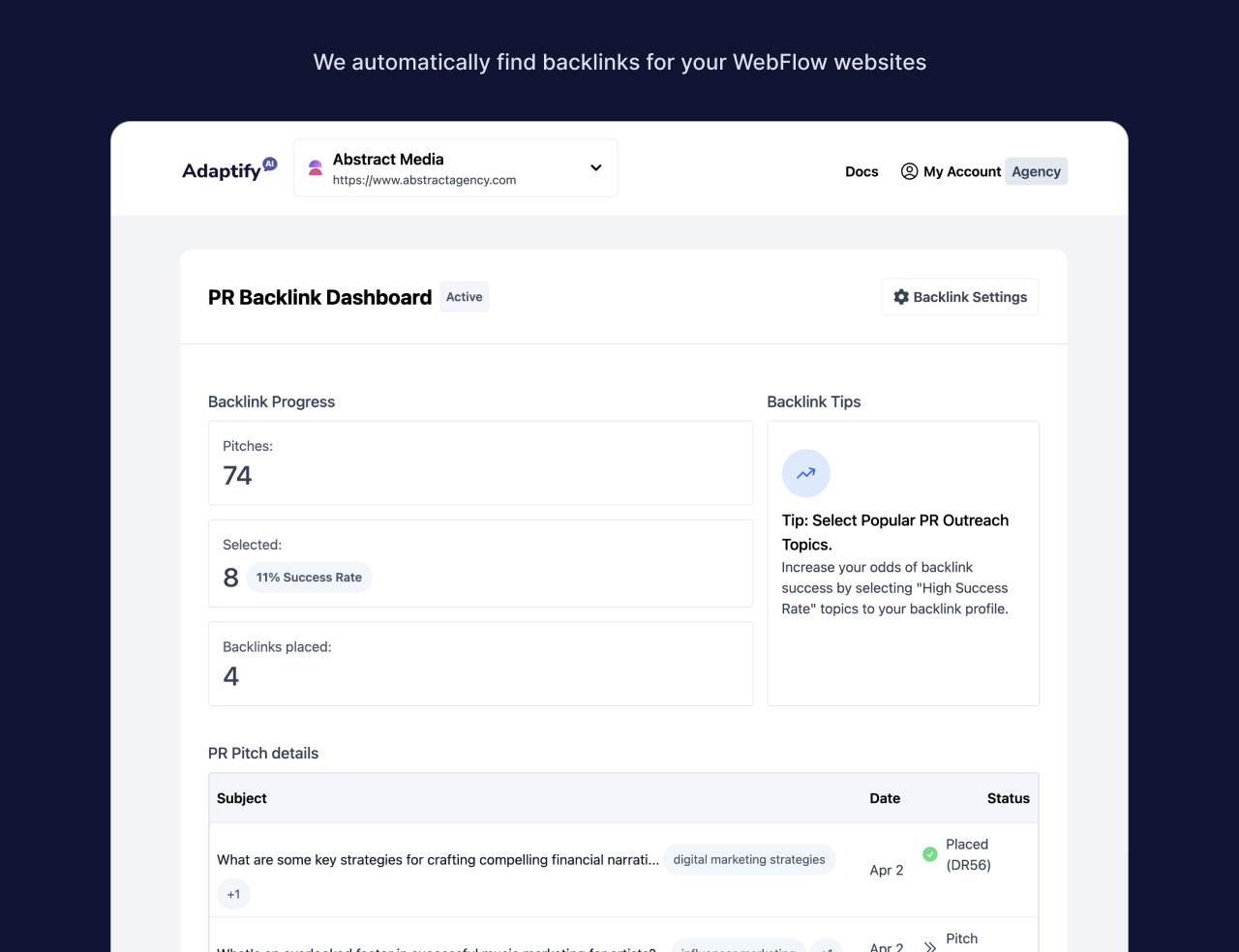


Backlink profile cleanup is the process of auditing all the links pointing to your website, identifying harmful or low-quality ones, and removing or disavowing them to protect your search rankings.
Here is a quick overview of the core steps:
Every link pointing to your site is a vote of confidence — or a red flag. When those votes come from spam farms, hacked pages, or irrelevant foreign domains, Google does not just shrug. In 2026, with Google's SpamBrain actively detecting patterns of low-quality links across entire networks, a cluttered backlink profile can quietly drag your domain authority down without a single warning in your inbox.
The challenge is that most site owners only notice the damage after rankings have already dropped. By then, the cleanup is harder and the recovery takes longer.
Think of your backlink profile like a restaurant's reputation. One bad review might not hurt you. But if hundreds of fake accounts are posting suspicious reviews, people — and algorithms — start to notice. The same logic applies to your links.
I'm Hansjan Kamerling, a product designer and marketing consultant who has worked across SaaS platforms and digital growth projects, and I've seen how a neglected backlink profile can quietly undermine even the best SEO strategy — making backlink profile cleanup one of the highest-ROI technical tasks you can tackle. Let's walk through exactly how to do it right.
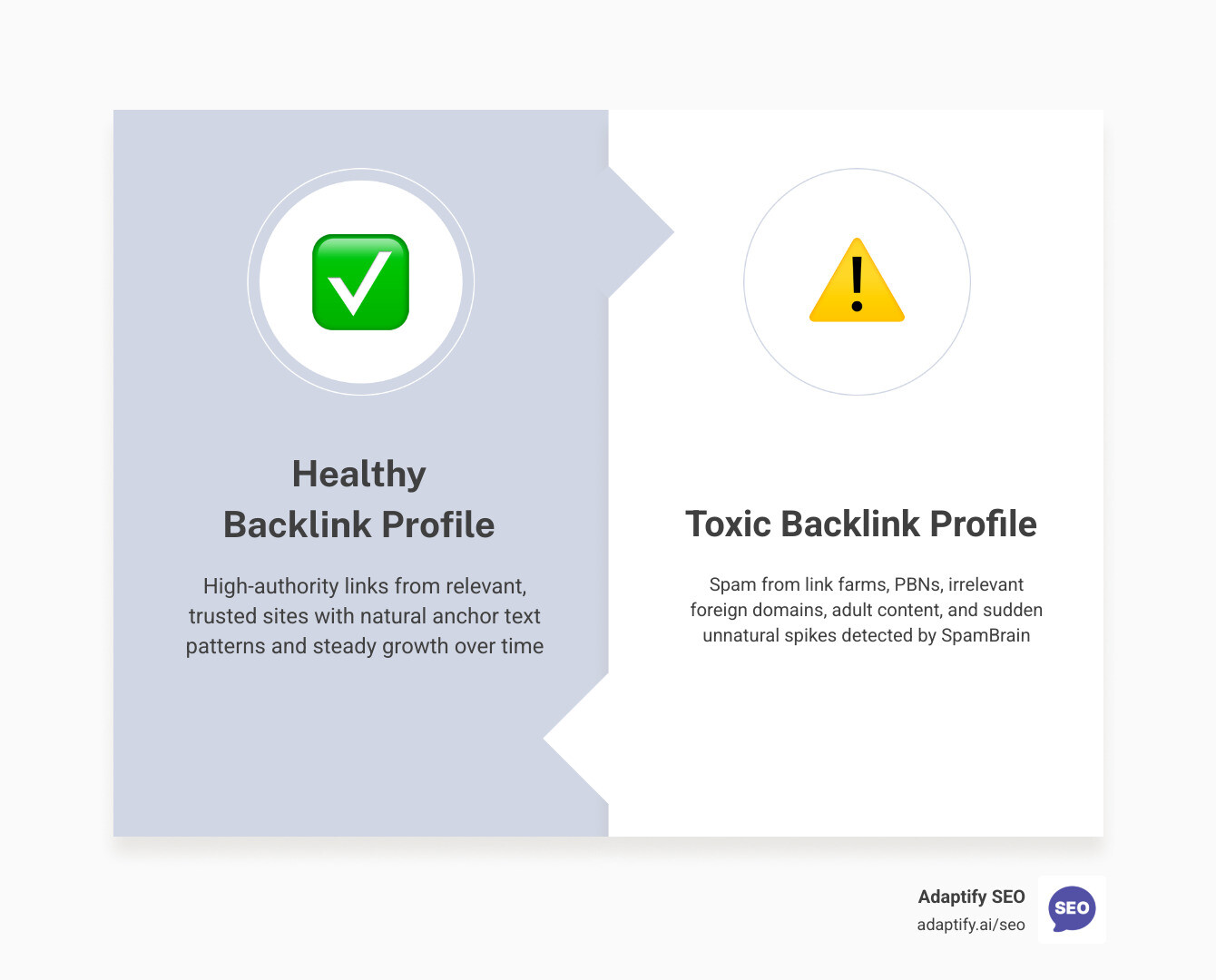
If you think Google just "ignores" bad links these days, I have some news for you. While it’s true that Google’s algorithms have become better at devaluing spam, the game changed significantly with the 2024 and 2025 core updates. In April 2026, we are dealing with a much more sophisticated version of SpamBrain AI.
This AI doesn't just look at a single link; it looks at patterns. If your site has a high concentration of links from "link neighborhoods" (groups of sites owned by the same entity) or sites with zero traffic, SpamBrain flags your entire domain reputation.
Before you start scrubbing, you need to know what "dirt" looks like. Here are the common signs of a link that needs to go:
A backlink profile cleanup starts with a massive data dump. No single tool sees the whole internet. To get a "squeaky clean" result, I recommend aggregating data from at least three sources: Google Search Console (GSC), and two major third-party tools like Ahrefs or Semrush.
Managing this manually can be a nightmare for agencies. This is where automated backlink management becomes a lifesaver, allowing you to track these connections without losing your mind in Excel.
Once your list is ready, it’s time to play detective. You’re looking for "clusters."
Don't go "delete-happy." Removing a link that is actually helping you (even if it looks a bit "ugly") can cause your rankings to drop.
For agencies managing dozens of clients, using white-label SEO services can help standardize this categorization process, ensuring that human judgment is applied where tools might fail.
There are two ways to get rid of a link: asking nicely or telling Google to ignore it.
Before you touch the Disavow tool, Google wants to see that you tried to fix it yourself.
If the webmaster ignores you (which happens 90% of the time with spam sites), it’s time for the heavy machinery. You will create a .txt file in UTF-8 format.
Example format:
# Contacted owner on April 10, 2026 - no response
domain:spammy-link-farm.com
https://shady-site.net/bad-page.html
| Feature | Manual Removal | Google Disavowal |
|---|---|---|
| Effort | High (Emailing, tracking) | Medium (File creation) |
| Success Rate | Low (Spammers don't care) | High (Google ignores the link) |
| Risk | Zero | High (Can accidentally "delete" good links) |
| Google's Preference | Preferred first step | Last resort |
I only recommend using the Disavow tool in three specific scenarios:
Disavowing is irreversible in terms of the time it takes for Google to re-process your links. If you disavow a good link, it might take months for the "link juice" to return after you remove it from the file.
Cleaning up isn't just about taking out the trash; it’s about finding the "lost treasure."
A solid SEO content strategy ensures that while you're cleaning the old links, you're constantly earning new, high-quality ones to replace them.
In 2026, a "set it and forget it" approach is dangerous. I recommend a quarterly review (every 3 months) for most businesses. However, if you are in a high-competition niche like finance, legal, or health, you should have monthly monitoring or automated alerts set up to catch negative SEO attacks as they happen.
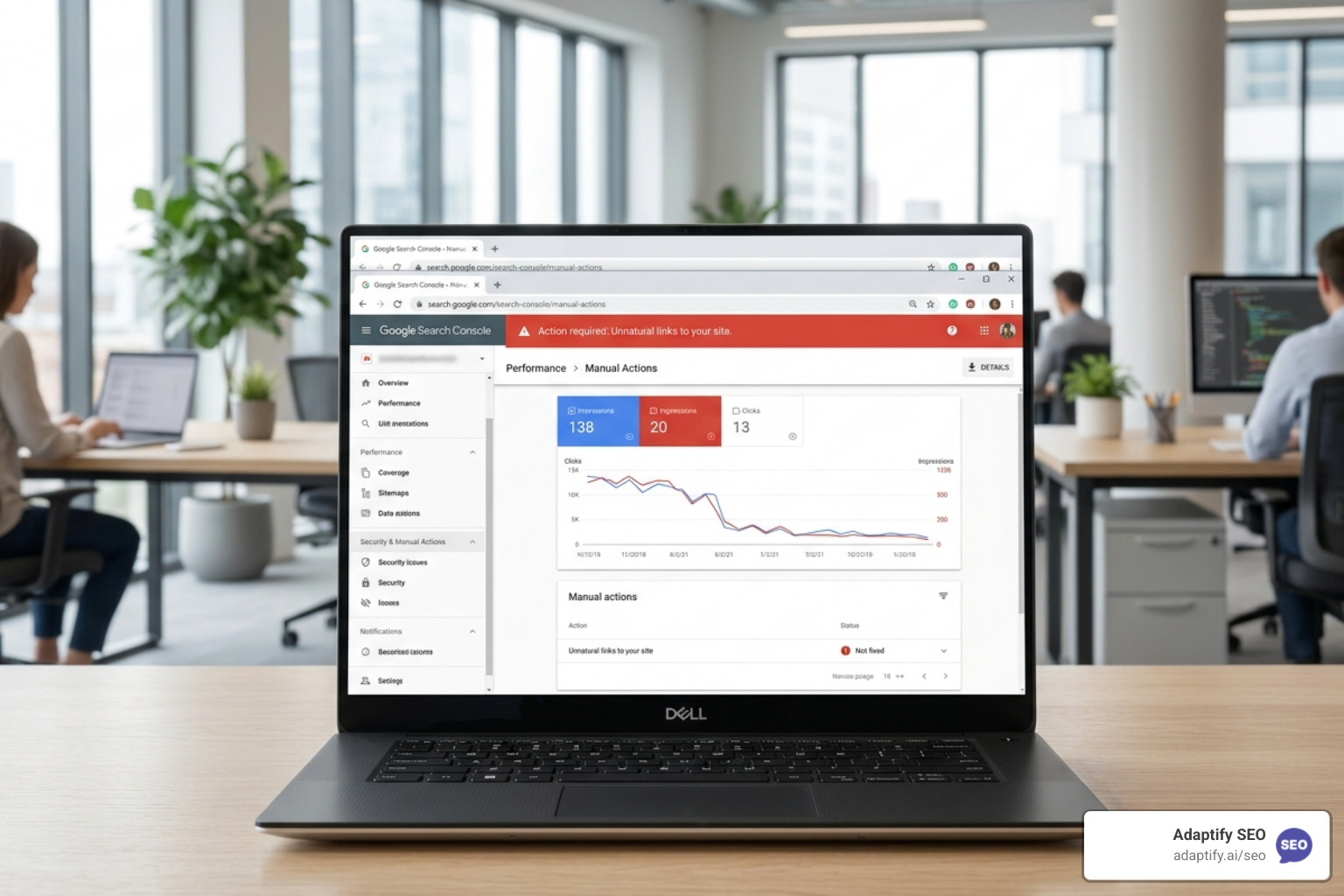
Yes. It can happen in two ways. A Manual Action is a "hard" penalty where your site is removed or demoted by a human. An Algorithmic Devaluation is a "soft" penalty where SpamBrain simply stops counting your links, causing your rankings to tank because your "authority" was built on a house of cards.
Rarely. Disavowing stops the negative impact, but it doesn't add positive value. If 50% of your rankings were supported by "gray hat" links that you just disavowed, your rankings might actually drop further initially. You must pair a backlink profile cleanup with a fresh link-building campaign to see a recovery.
A backlink profile cleanup is the digital equivalent of spring cleaning. It’s tedious, it’s manual, and it requires a keen eye for detail—but it’s the only way to ensure your website's foundation is solid. In an era where AI-driven search engines like Google are prioritizing "trust" and "reputation" above all else, you cannot afford to have skeletons in your backlink closet.
At Adaptify SEO, we believe in automated efficiency. While the initial audit requires human oversight, our tools help agencies scale their SEO efforts by streamlining strategy and PR link building. By letting AI handle the heavy lifting of content and monitoring, you can focus on the high-level decisions that grow your clients' businesses.
Don't wait for a "Manual Action" notification to start your cleanup. Start your journey with Adaptify SEO today and build a backlink profile that Google—and your customers—can trust.

Stop being invisible: discover what the best local SEO strategies for small businesses are to dominate Google Maps, reviews, and AI search...
Master localized SEO to rank your local business in Google Maps and drive more in-store visits.
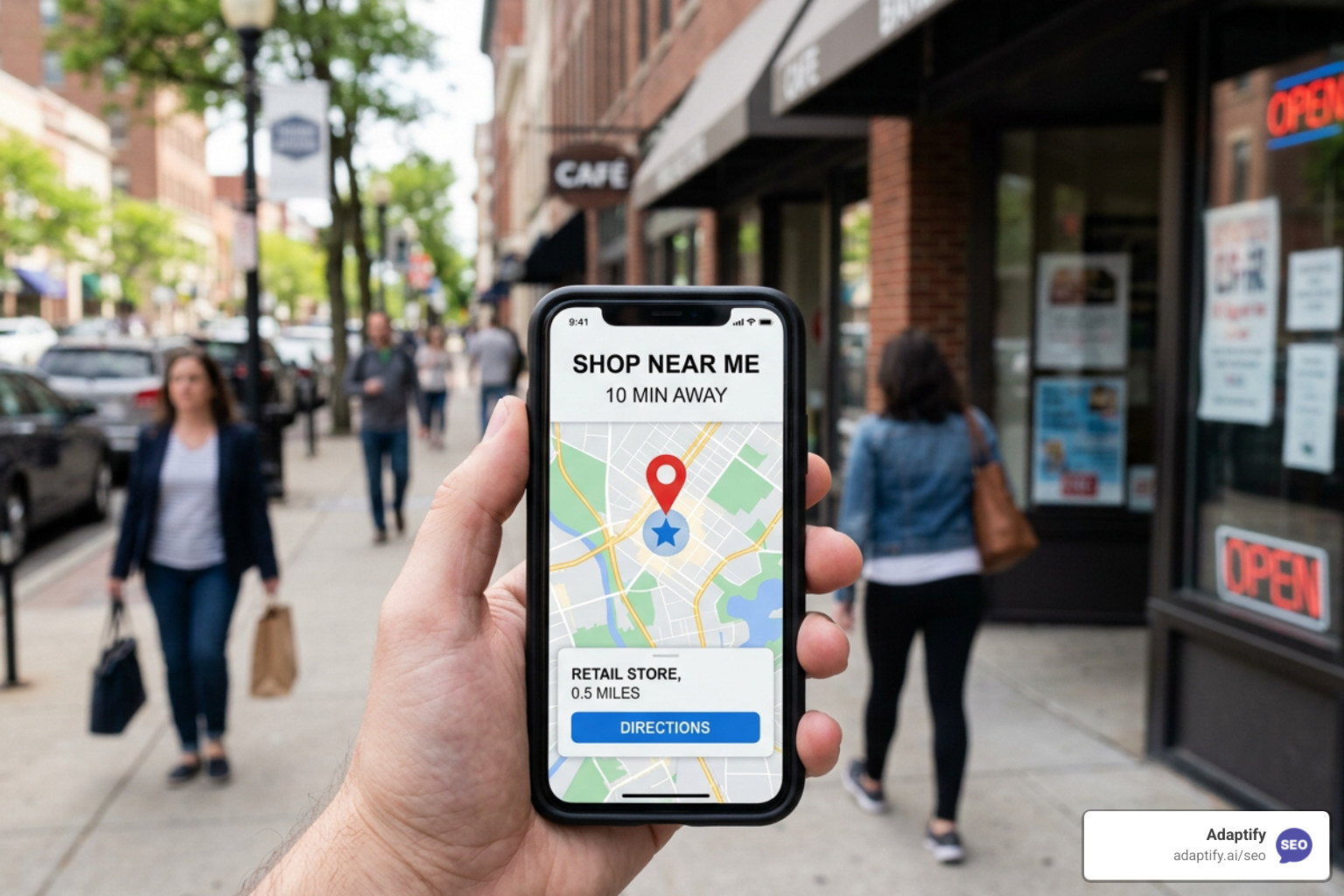
Master local retail SEO to drive foot traffic from Google with proven strategies for GBP, reviews, and AI search optimization.
Join 1,000+ agencies already delivering SEO and AI visibility from a single platform without increasing their headcount.Join 1,000+ agencies already delivering SEO and AI visibility from a single platform without increasing their headcount.