Choosing Your Digital Partner: Top Medical SEO Companies Explained

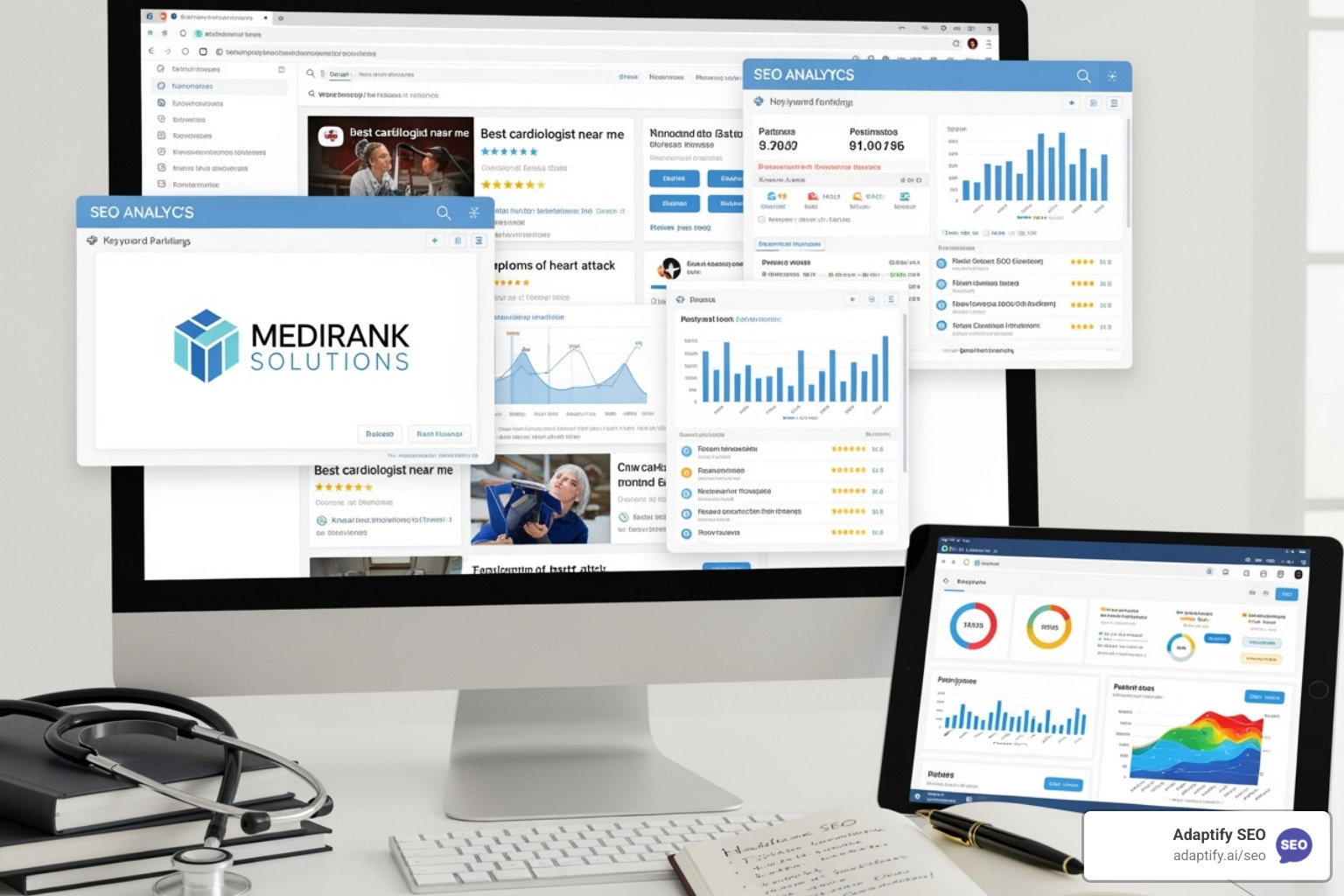

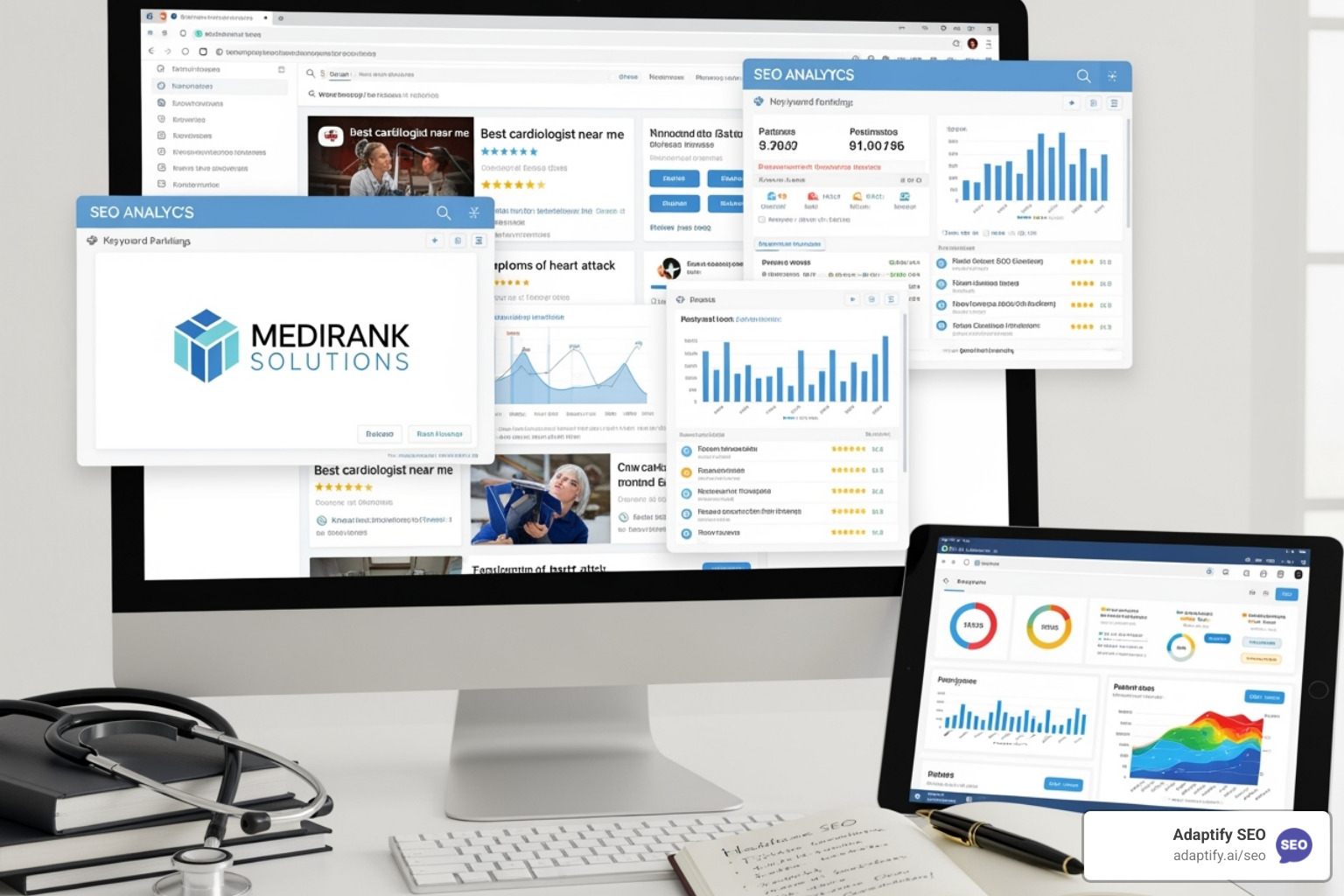
Medical SEO companies specialize in helping healthcare practices attract new patients through search engine optimization. These agencies understand the unique challenges of marketing medical services online, including strict regulations, patient privacy concerns, and the need to build trust with potential patients.
Key services medical SEO companies provide:
The numbers paint a clear picture. According to industry data, out of 3,450 medical clinics in the USA, only 148 have a results-driven online marketing plan. This leaves a massive opportunity for practices willing to invest in their digital presence.
When patients need medical care, they search online. For example, one successful medical practice saw 85% of its 809 monthly leads come directly from Google Medical SEO. Another practice achieved similar results, with 85% of its 1,101 December leads originating from organic search.
The reality is stark: "If Patients Can't Find You Online, You Don't Exist." This isn't just marketing hyperbole; it's the new standard for how healthcare consumers find providers. When someone searches for "doctor near me," you want your practice to appear at the top of those results.
Medical SEO is about connecting patients with the care they need, building trust through authoritative content, and growing your practice with qualified leads that convert into long-term patients.
I'm Hansjan Kamerling, and I've helped healthcare startups and medical platforms scale their digital presence. Through my work with various medical SEO companies and health tech platforms, I've seen how the right digital strategy can transform patient acquisition.
You might wonder if medical SEO companies really offer something different from regular SEO agencies. After all, isn't SEO just about getting websites to rank higher on Google?
While the basic principles of SEO remain, medical SEO operates in a different world, requiring specialized skills to steer safely.
Google's E-E-A-T standards (Experience, Expertise, Authoritativeness, Trustworthiness) are absolutely critical for healthcare websites. Google classifies medical content as "Your Money or Your Life" (YMYL) content because it can directly impact someone's health, safety, or financial well-being. Google holds these sites to a much higher standard. Let's break down what E-E-A-T means in a medical context:
The Google Medic Update in 2018 drove this point home, penalizing health websites that lacked credibility. Many sites saw their rankings plummet because they hadn't built the necessary authority and trust signals.
Understanding patient intent goes much deeper than typical keyword research. When someone searches for "chest pain," they might be scared or seeking immediate answers. Medical SEO companies excel at crafting content that addresses these urgent needs with empathy and accuracy, providing clear, calm, and helpful information.
Patient-centric communication is key. It means avoiding impenetrable medical jargon while remaining accurate, and structuring content to answer real patient questions rather than just listing clinical definitions.
HIPAA compliance adds another layer of complexity. Every digital touchpoint, from contact forms and appointment schedulers to live chat widgets, must be designed to protect sensitive patient health information (PHI). A breach can result in devastating fines—up to $50,000 per violation—and an irreversible loss of patient trust. A specialized agency understands how to implement HIPAA-compliant analytics, forms, and communication tools.
Building patient trust through SEO means showcasing medical credentials, encouraging genuine patient reviews, and providing transparent, helpful information. Your online presence needs to demonstrate competence and compassion before a patient ever steps into your office.
Local search intent is especially powerful in healthcare. When patients search for "doctor near me," they want immediate, location-specific results, making local SEO crucial for capturing these high-intent searches.
Google's SEO team explains these principles clearly in this helpful video about how SEO works. They emphasize that effective SEO is about understanding search algorithms and user needs.

The bottom line? Medical SEO requires specialized knowledge of healthcare regulations, patient psychology, and Google's quality standards. It's why many successful agencies partner with platforms that understand these unique requirements and can automate complex processes while maintaining high standards.
So what exactly do medical SEO companies do to transform your practice's online presence? Think of it as a comprehensive health checkup for your digital footprint. They start with a thorough diagnosis, then create a customized treatment plan to get your practice thriving online.
The magic happens through three interconnected pillars of medical SEO. Each one builds on the others, creating a strong foundation that attracts patients and grows your practice sustainably.
Before you can attract patients, your website needs to be in perfect health. This is the behind-the-scenes work that makes everything else possible.
A website audit is the first step, identifying issues like broken links, crawl errors, and missed opportunities that hurt your rankings and user experience.
Site speed and Core Web Vitals (CWV) are critical. A site that loads quickly and provides a smooth experience is essential. Google's CWV metrics—Largest Contentful Paint (LCP), First Input Delay (FID), and Cumulative Layout Shift (CLS)—measure how fast your page content appears, how quickly it becomes interactive, and how visually stable it is. Patients in need of information won't wait for a slow or clunky site.
Mobile-first design isn't optional. The vast majority of patients search for healthcare on their phones, often in moments of urgency. Google prioritizes mobile-friendly sites in its rankings accordingly.
A good user experience (UX) is vital. Patients must be able to easily find information, understand your services, and book appointments. Good UX keeps users engaged and signals value to Google.
Medical schema markup is a secret weapon for standing out in search results. This structured data helps Google understand your practice's details—like specialties, conditions treated, and accepted insurance—which can lead to rich snippets and enhanced visibility in search results.
ADA compliance ensures your website is accessible to everyone, including patients with disabilities. This is often a legal requirement and expands your potential patient base by demonstrating inclusivity.
Secure hosting with HTTPS protects patient data and builds trust, signaled by the lock icon in the browser bar. This is a baseline requirement for any medical website.
Most practices aren't equipped to handle these technical details. Platforms like Adaptify.ai help agencies streamline these complex processes, ensuring a rock-solid technical foundation. Our SEO proposals show how we tackle these challenges systematically.
Healthcare is local. Patients are looking for the best doctor they can actually see, making local SEO the heartbeat of medical marketing.
Google Business Profile (GBP) optimization is your digital storefront. This is often a patient's first impression. Top agencies optimize your GBP with current photos, accurate hours, detailed service descriptions, and regular updates via Google Posts.
NAP consistency is vital. Your practice's Name, Address, and Phone number must be identical across all online directories to avoid confusing Google and potential patients.
Local citation building creates a web of trust. Every legitimate mention of your practice online, especially in reputable medical and local directories, acts as a vote of confidence.
Online review management is critical for reputation and rankings. Reviews heavily influence patient decisions. Smart practices implement systems to encourage positive reviews (e.g., post-appointment SMS or email prompts) and respond thoughtfully to all feedback. A professional response to a negative review can often win over prospective patients by demonstrating accountability and care.
Geo-targeted landing pages help you capture patients searching in specific neighborhoods. A page optimized for "orthopedic surgeon in Lincoln Park" can attract highly qualified patients who might otherwise overlook your practice.
The ultimate goal is ranking in the Google Maps 3-Pack. As Susan Luscombe from Healing Oasis shared, "We were not showing up on the first page on Google search, and now we are #2 in the Google Maps 3-Pack for Wellness Centers." This visibility can dramatically increase patient inquiries.
Content is your opportunity to demonstrate expertise, build trust, and answer patient questions. In healthcare, it's about genuinely helping people.
A solid content strategy addresses real patient needs by answering the questions they search for and ask during appointments, covering the entire patient journey from symptom awareness to treatment options.
Medically accurate service pages explain conditions and treatments in clear, accessible language. Each core service needs a dedicated, comprehensive page that is both medically sound and easy for patients to understand.
E-E-A-T focused blog posts, written and reviewed by medical professionals, showcase expertise and provide fresh, educational content that helps your community and boosts SEO.
Patient education materials like downloadable guides, video FAQs, and infographics provide tremendous value, building trust and positioning you as a caring, knowledgeable provider.
High-quality backlinks from medical directories, health publications, and associations act like professional referrals, telling Google that other authorities respect your content.
Content creation and link building are time-intensive. Many agencies partner with platforms like Adaptify.ai to automate this work, ensuring content is optimized and identifying valuable link opportunities. Learn more about our content and backlink services.
These three pillars work together. Technical optimization ensures patients can use your site, local SEO connects you with your community, and content builds trust. When medical SEO companies execute all three effectively, the results can transform your practice.
Choosing the right medical SEO companies is like picking a surgeon – you want a specialist with proven results. With countless agencies claiming to be experts, how do you separate the real deal from the pretenders?
This decision will likely shape your practice's growth for years. Get it right, and you'll have a steady stream of qualified patients. Get it wrong, and you might waste money with little to show for it.
When evaluating partners, I look for specific qualities that separate specialists from generalists. These are essential for success in healthcare marketing.
Healthcare industry specialization is at the top of the list. A general SEO agency lacks the specific knowledge for healthcare. They may not understand HIPAA compliance, how to write compelling medical content that meets E-E-A-T standards, or the urgent, emotional state of a patient searching for symptoms online.
The best agencies live and breathe healthcare. They understand the empathy required when marketing to patients facing serious health challenges, a nuance that cannot be faked.
A proven track record is more than just case studies. Look for specific metrics like patient acquisition numbers, ranking improvements for competitive terms (like "orthopedic surgeon [city]"), and evidence of long-term client relationships.
When Todd Wylie, OD, FCOVD, says "I'm so thankful for our relationship... I heartily, heartily recommend and am so grateful and thankful for their tremendous help," you're hearing from someone whose practice has genuinely benefited.
HIPAA-compliant processes are critical. Any agency handling your website or patient data must have rock-solid compliance procedures. Ask them to explain their process and if they will sign a Business Associate Agreement (BAA). If they hesitate, walk away.
Transparent reporting dashboards are a must. A professional agency provides clear reports tracking meaningful metrics like patient inquiries, appointment requests, and ROI, not just vanity metrics like traffic or impressions.
Finally, a dedicated account manager makes a world of difference. You need an advocate within the agency who understands your specific goals and challenges and can translate technical work into business outcomes.
Once you start collecting proposals, the real detective work begins. The details reveal who is truly equipped to deliver.
Customized strategy versus generic packages is a key differentiator. A dermatology practice in Miami faces different challenges than an orthopedic clinic in rural Montana. Your agency should conduct a thorough audit of your site, competitors, and market before proposing a strategy.
Smart agencies focus on ROI, not vanity metrics. The goal is more qualified patients and booked appointments, not just traffic. They should speak your language: patient acquisition cost, patient lifetime value, and revenue growth.
Avoid unrealistic promises. Guarantees of "#1 rankings in 30 days" are a major red flag. Meaningful SEO results take 4 to 12 months to build, as confirmed by Google's own staff.
Long-term contracts with no exit clause should be concerning. Confident agencies know their results will keep you around voluntarily and often offer shorter-term agreements or performance-based structures.
A simple test: check the agency's own SEO performance. If a company claiming to be an expert can't rank for relevant terms like "medical SEO agency" or "healthcare marketing," how can they help you?
The landscape of medical SEO companies ranges from boutique specialists to full-service powerhouses. Here are a few notable players and what they're known for:
Cardinal Digital Marketing positions itself as a top agency for growth-focused healthcare organizations. They are known for their strength in multi-location strategies for larger healthcare systems and for integrating paid media with SEO for a holistic digital approach.
iHealthSpot has a long history in the market, combining SEO-focused web design with reputation management. They are a good fit for practices needing an integrated, all-in-one solution from a single vendor, often bundling design, hosting, and marketing.
Sequence Health focuses on advanced SEO strategies and patient engagement. Their background in medical call centers and patient management software informs their marketing, allowing them to build strategies that connect top-of-funnel searches with bottom-funnel conversions.
Scorpion is a premium, full-service digital marketing agency that serves the medical and legal industries. They are known for combining their proprietary marketing technology platform with high-touch service, making them a choice for well-funded practices in highly competitive markets.
DoctorLogic operates as a technology-first company with its "Patient Acquisition Platform." They provide SEO-optimized websites, content creation tools, and reputation management software, positioning themselves as a software-with-a-service (SaaS) solution for practices that want powerful tools.
Niche specialists like Meros Media excel in specific areas, such as regenerative medicine marketing. If your practice aligns with their specialty, you can benefit from their focused expertise.
Full-service agencies like REQ combine branding, advertising, and SEO for a comprehensive marketing overhaul, valuable for established practices looking to refresh their brand.
Web-design focused firms like Officite cater to smaller practices in specialties like audiology or cardiology, often offering more affordable, foundational services.
The key is finding an agency whose strengths, service model, and budget align with your specific needs and growth goals. Choose the partner who demonstrates a genuine understanding of your practice.
Understanding the investment and the expected returns is crucial for any business decision, and medical SEO is no exception. Let's talk numbers and patience.

The cost of medical SEO services varies widely based on complexity, expertise, and desired outcomes.
This is an investment in your practice's future patient pipeline, not just a marketing expense.
How do medical SEO companies measure success? It’s all about focusing on Key Performance Indicators (KPIs) that impact your bottom line.
This is a common question where expectations need careful management. SEO is a long-term investment.
To truly grasp the patience required, I highly recommend watching this video directly from Google: Watch this video from Google on SEO timelines. It reinforces that SEO is a continuous process of optimization and growth.
Choosing the right medical SEO companies isn't just another vendor decision – it's about finding a partner who truly understands that behind every search query is a person seeking care, comfort, or answers about their health.
Throughout this guide, we've explored why medical SEO demands such specialized expertise. The combination of Google's strict E-E-A-T requirements for health content, HIPAA compliance needs, and the unique psychology of patients searching for medical care creates a landscape that general marketing agencies simply can't steer effectively.
The three pillars of success we've discussed – specialization in healthcare, proven compliance processes, and measurable ROI – aren't just nice-to-haves. They're the foundation of any partnership that will actually move the needle for your practice. When Susan Luscombe saw her wellness center climb to #2 in the Google Maps 3-Pack, or when that pain practice generated 85% of their leads through organic search, it wasn't luck. It was the result of working with agencies that understood the unique challenges of medical marketing.
The digital health of your practice mirrors the physical health of your patients – it requires ongoing attention, expert care, and the right tools to thrive. Many of today's top-tier medical SEO companies have recognized this, which is why they're increasingly partnering with platforms like Adaptify.ai to automate their technical SEO processes. This technology partnership allows their medical marketing experts to focus on what matters most: crafting patient-centered strategies, building trust through authoritative content, and ensuring every optimization serves the ultimate goal of connecting patients with quality care.
The future of medical SEO isn't just about ranking higher – it's about creating digital experiences that reflect the same level of care and expertise patients expect when they walk into your office. When agencies can automate the technical heavy lifting, they can dedicate more time to understanding your patients' needs, your practice's unique value, and the local community you serve.
Your practice deserves a digital presence that's as healthy and robust as the care you provide. The right partnership, supported by the right technology, can make that vision a reality.
To see how the future of SEO can directly benefit your practice's growth, Book a Demo.

Stop being invisible: discover what the best local SEO strategies for small businesses are to dominate Google Maps, reviews, and AI search...
Master localized SEO to rank your local business in Google Maps and drive more in-store visits.
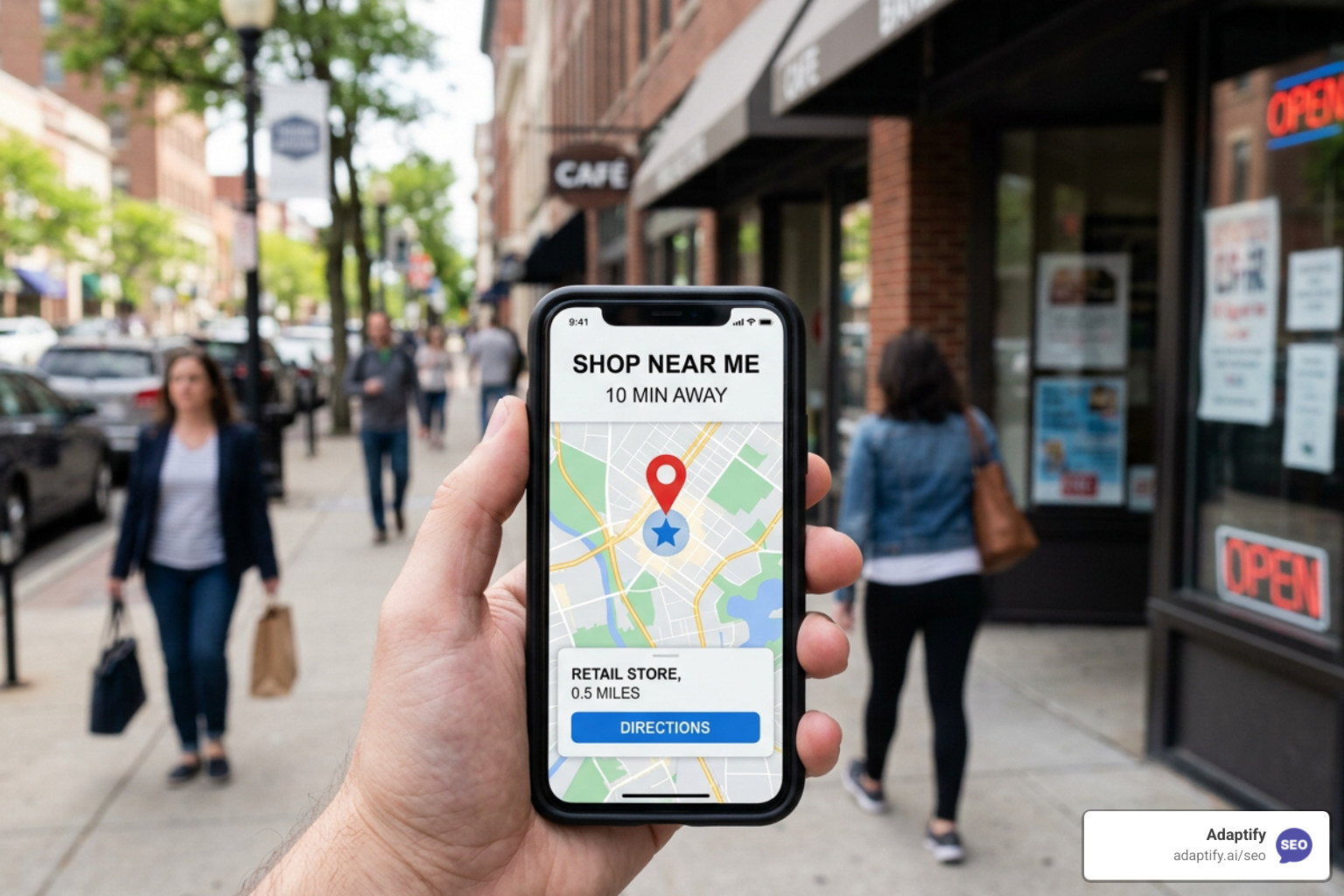
Master local retail SEO to drive foot traffic from Google with proven strategies for GBP, reviews, and AI search optimization.
Join 1,000+ agencies already delivering SEO and AI visibility from a single platform without increasing their headcount.Join 1,000+ agencies already delivering SEO and AI visibility from a single platform without increasing their headcount.