Don't Let Your Revenue Unsubscribe: Picking the Right Email Marketing Agency




An email marketing agency for ecommerce could be the single highest-ROI decision you make for your store this year. Here's a quick look at what to know before you choose one:
What top ecommerce email agencies deliver:
| Factor | What to Expect |
|---|---|
| Revenue from email | 25–45% of total store revenue |
| Channel ROI | Up to 40x return on spend |
| Time to first results | 30–60 days after onboarding |
| Monthly cost range | $1,500–$15,000+ per month |
| Key platform | Klaviyo (industry standard for ecommerce) |
| Core services | Automation flows, segmentation, campaigns, SMS, copywriting |
Most ecommerce brands are leaving serious money on the table. Email consistently outperforms paid ads, social media, and SEO when it comes to customer retention and lifetime value. Yet the gap between a store earning 1% of revenue from email and one earning 40% almost always comes down to strategy and execution — not the platform they're using.
The problem is clear enough: running a high-performing email program takes real expertise. Klaviyo segmentation, lifecycle automation, deliverability management, A/B testing, conversion-focused design — it's a full-time job. For most ecommerce operators, that's not where their energy should go.
That's why the right agency partner matters so much. This guide breaks down the top agencies, what they do, what they cost, and exactly how to pick the right one for your brand.
I'm Hansjan Kamerling, a product designer and marketing consultant who has worked across SaaS platforms, fintech, and high-growth digital products — including direct work on data-driven marketing systems where understanding the right email marketing agency for ecommerce made the difference between stagnant retention and compounding revenue growth. The sections below give you a clear, no-fluff framework to make the right call.
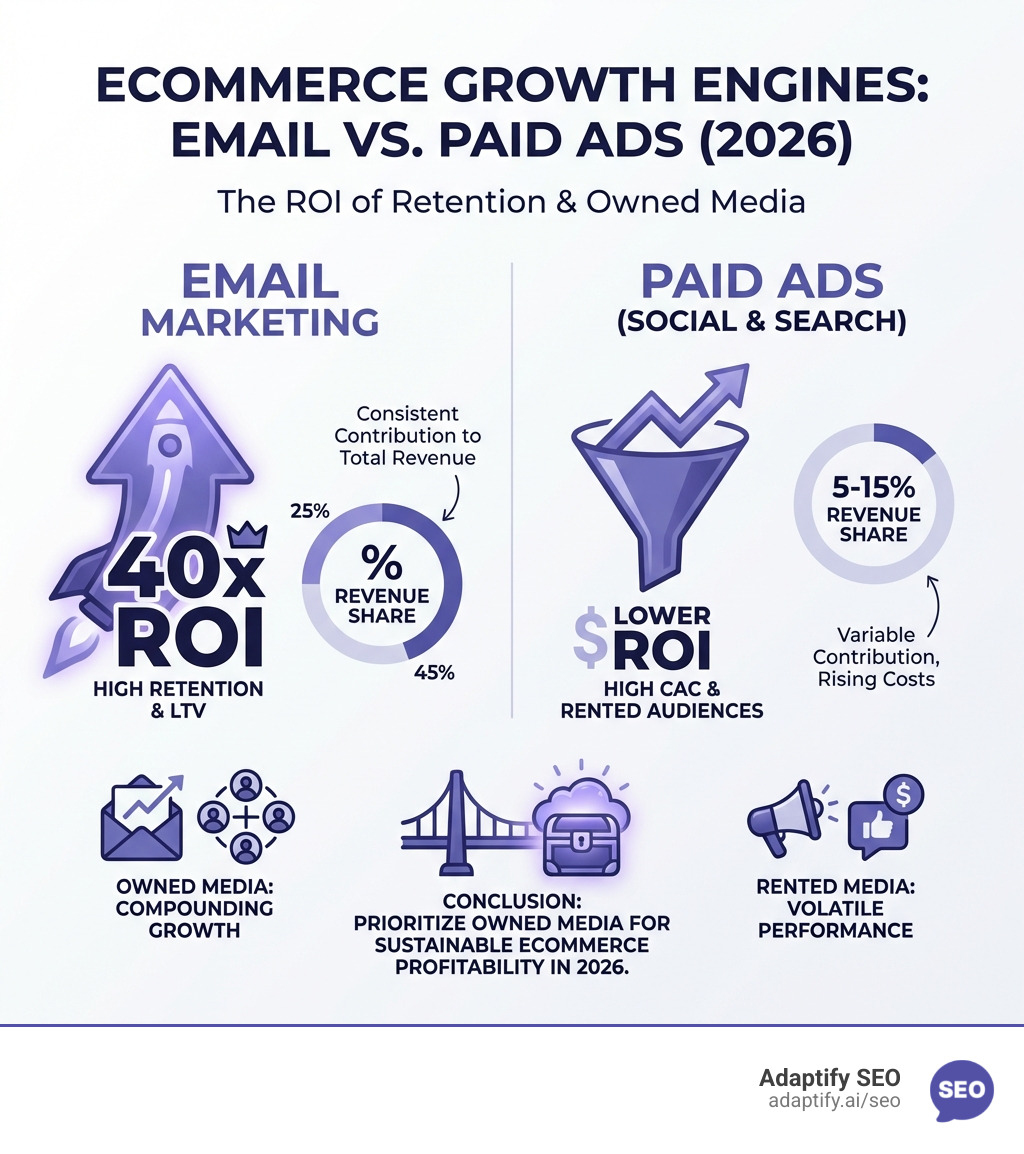
If you’ve spent any time looking at your customer acquisition costs (CAC) lately, you’ve probably noticed they aren't exactly going down. In 2026, relying solely on the "rented" audiences of Meta or Google is a recipe for thin margins. This is why "Owned Media"—the lists you actually control—has become the holy grail of ecommerce.
When I look at a high-performing revenue dashboard, the email attribution isn't just a side note; it's the heartbeat of the business. Top-tier agencies are helping brands achieve 25–45% of all store revenue from email alone. Some specialized partners like Marketing LTB or Hustler Marketing have even seen lifecycle flows account for up to 30–50% of total revenue.

This isn't just about sending "blasts." It's about sophisticated lifecycle automation strategies. We’re talking about a 4x4 Retention Matrix™—a system that engineers revenue by compounding customer value and aggressively reducing churn. By using behavioral analytics and zero-party data (info your customers voluntarily share), an agency can predict when a customer is about to leave and trigger a win-back sequence before they’ve even closed the tab.
Klaviyo mastery is no longer optional in this landscape. The best agencies leverage predictive analytics within these platforms to determine the "next best product" for a customer, turning a one-time buyer into a lifelong fan. This predictable revenue stream is what allows you to scale your paid ads more aggressively, knowing that your backend retention is solid.
I often get asked: "Can't I just have my social media manager do this?" The short answer is: sure, if you want "okay" results. But there is a massive chasm between a generalist and a specialist.
If you are already scaling your store's traffic through SEO content services, an email agency is the "closer" that ensures that traffic actually turns into repeat revenue.
Choosing a partner is hard because everyone claims to be the "best." Based on my research into revenue generated, client satisfaction, and platform expertise, here is how the top players stack up for 2026.
| Agency | Best For | Key Strength | ESP Expertise |
|---|---|---|---|
| Marketing LTB | Scaling DTC Brands | 25-45% Revenue Guarantee | Klaviyo |
| SmartMail | Mid-Market Ecommerce | $187M+ Revenue Generated | Klaviyo, Braze |
| Flowium | Full-Service Strategy | 97% Satisfaction Rate | Klaviyo |
| Hustler Marketing | High-Volume Stores | 30-50% Lifecycle Revenue | Klaviyo, Omnisend |
| Chronos Agency | Retention Specialists | 3500% Average ROI | Klaviyo Elite Partner |
| InboxArmy | Enterprise Execution | 5,000+ Brands Served | 40+ ESPs |
| Rejoiner | High-Growth Brands | Deliverability & Retention | Proprietary/Klaviyo |
| Essence of Email | DTC Lifecycle | Predictable Cost Structure | Klaviyo |
| Wavebreak | CRM & SMS | Long-term LTV Focus | Klaviyo |
| 1Digital® Agency | Shopify Stores | Goal-Centric Structuring | Klaviyo, Mailchimp |
What exactly are you paying for? A top-tier email marketing agency for ecommerce doesn't just "send emails." They build an ecosystem.
For agencies looking to offer these types of high-level results to their own clients without the manual labor, white-label SEO for agencies can be a perfect complement to an email offering.
When you're vetting an email marketing agency for ecommerce, you need to look past the flashy website. Here is my checklist for finding a partner that actually moves the needle:
Let’s talk numbers. How much is this going to set you back?
Most ecommerce email agencies charge between $1,500 and $15,000+ per month. The wide range depends on your store's size, the number of campaigns per week, and whether you need SMS management included.
What results can you expect? Most brands start seeing measurable improvements in open rates and flow revenue within 30–60 days. In the long run, the goal is a 3500% average ROI. If your email channel isn't delivering at least 25-30% of your total revenue, you have a massive growth opportunity sitting right in your inbox.
Small businesses might find boutique services for $1,500 to $3,000/month, while mid-market and enterprise brands should expect to pay $5,000 to $20,000+/month. The price usually scales with the complexity of your automation and the frequency of your manual campaigns.
While technical "quick wins" (like fixing an abandoned cart flow) can happen in week one, it typically takes 30 to 60 days to see a significant shift in your overall revenue attribution. This allows time for onboarding, audits, and A/B testing to gather meaningful data.
Klaviyo remains the undisputed gold standard for ecommerce due to its deep integration with Shopify and advanced segmentation. However, Omnisend is a strong contender for those wanting a more user-friendly interface with built-in SMS, and Braze is often preferred by massive enterprise-level brands.
In 2026, your email list is your most valuable asset. It's the only audience you truly own, and it’s the key to sustainable growth. By hiring a specialized email marketing agency for ecommerce, you aren't just buying "emails"—you're investing in a revenue system that works while you sleep.
Whether you choose a powerhouse like Chronos Agency or a specialized boutique like Flowium, the goal is the same: stop letting your revenue unsubscribe and start engineering a lifecycle that keeps customers coming back.
If you’re ready to stop the manual grind and want to see how automation can transform your entire digital presence, check out how we help brands scale your agency with automated SEO at Adaptify.ai. We handle the heavy lifting of search so you can focus on building those customer relationships.

Stop being invisible: discover what the best local SEO strategies for small businesses are to dominate Google Maps, reviews, and AI search...
Master localized SEO to rank your local business in Google Maps and drive more in-store visits.
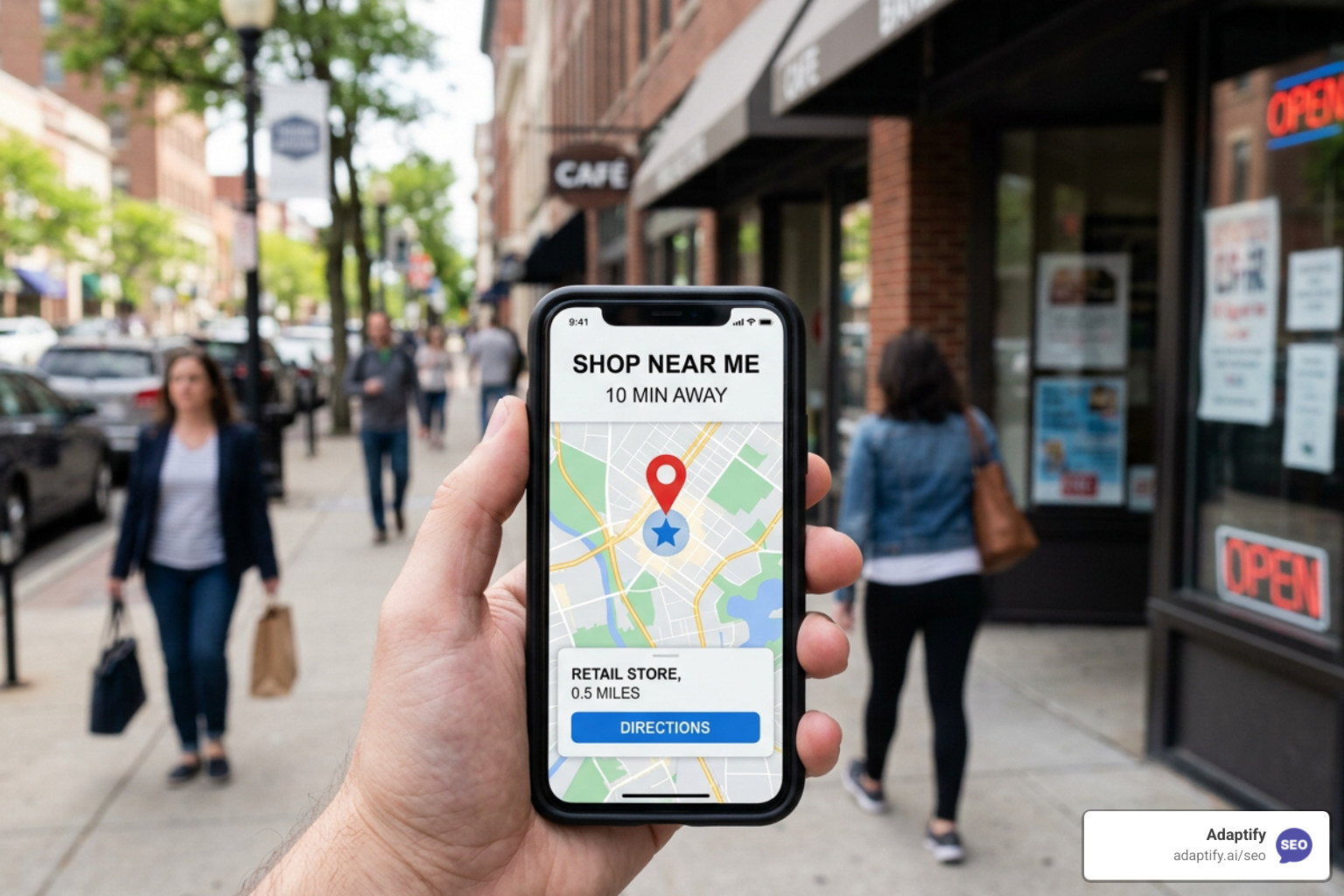
Master local retail SEO to drive foot traffic from Google with proven strategies for GBP, reviews, and AI search optimization.
Join 1,000+ agencies already delivering SEO and AI visibility from a single platform without increasing their headcount.Join 1,000+ agencies already delivering SEO and AI visibility from a single platform without increasing their headcount.