How to Automate Your Content Distribution Without Losing Your Soul

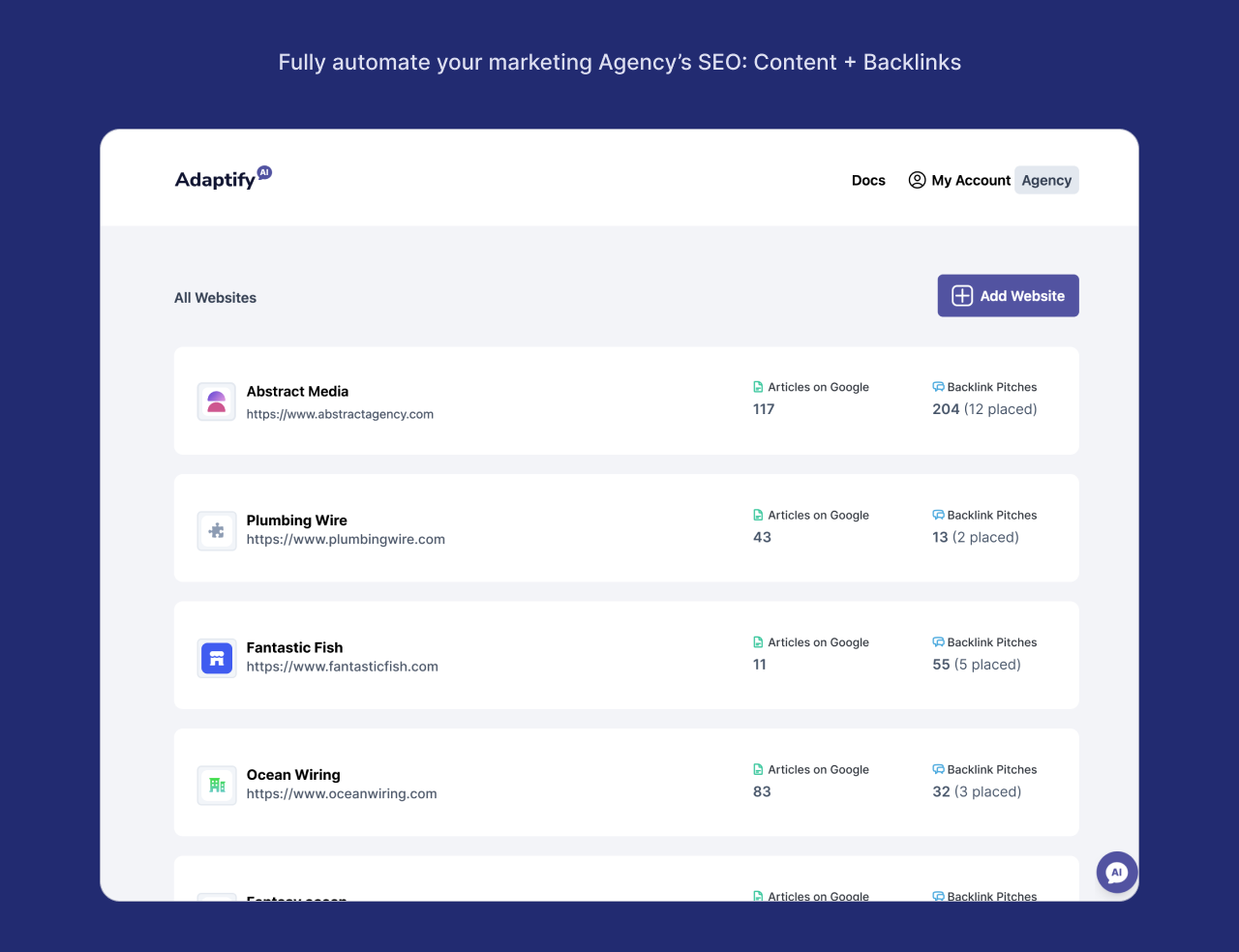

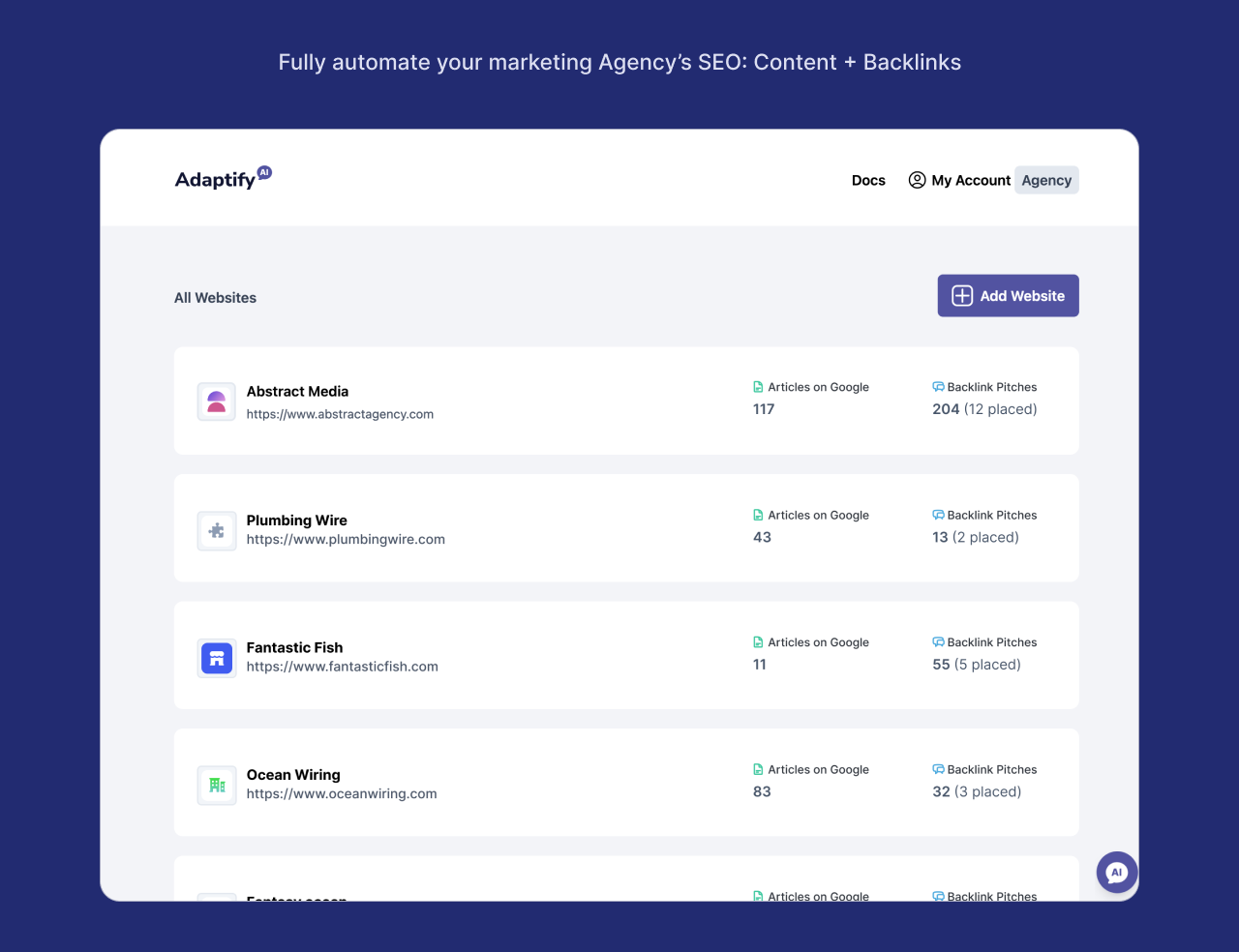
Automated content distribution is the process of using software and AI to publish, repurpose, and schedule your content across multiple channels — automatically, without manual copy-pasting or platform-by-platform posting.
Here's a quick breakdown of what it means in practice:
| What It Does | How It Helps |
|---|---|
| Publishes to multiple channels at once | No more logging into 5 platforms manually |
| Repurposes one piece into many formats | Blog becomes tweet thread, email, and LinkedIn post |
| Schedules posts at optimal times | AI picks when your audience is most active |
| Tracks performance across channels | One dashboard instead of scattered reports |
| Recycles evergreen content automatically | High-performing content keeps working for you |
You already know the feeling. You spend hours writing a great blog post. You hit publish. Then... silence. Not because the content is bad — but because you ran out of time to actually distribute it.
This is more common than you'd think. Around 60% of content created by marketing teams never gets used, largely because distribution is an afterthought. Meanwhile, marketers who actively repurpose content report 106% better results than those who don't. The gap isn't about content quality. It's about reach.
The internet is brutally crowded. Hundreds of hours of video are uploaded to YouTube every minute. Six new websites go live every second. Getting your content seen requires showing up — consistently, on multiple channels, at the right time. That's nearly impossible to do by hand without burning out.
That's exactly where automation changes the game.
I'm Hansjan Kamerling, a product designer and marketing consultant who has built and scaled digital products — from fintech platforms to marketplaces used by millions — and automated content distribution is one of the highest-leverage shifts I've seen agency owners make to reclaim their time and scale their output. In the sections below, we'll walk through the top tools, strategies, and workflows to help you do exactly that.

At its heart, Automated content distribution is about leverage. It is the shift from "creating content" to "building a content engine." Instead of manually uploading a video to TikTok, then downloading it to re-upload to Reels, and then writing a separate LinkedIn post about it, you build a system where one action triggers a cascade of others.
To understand why this matters, we look at the PESO model: Paid, Earned, Shared, and Owned media.
Manual distribution usually hits one or two of these. Automation allows you to blanket all four. According to McKinsey research on marketing productivity, generative AI and automation could increase marketing productivity by 5% to 15% of total marketing spend. That isn't just "writing faster"—it is the ability to scale your message across the entire ecosystem without a proportional increase in headcount.
The benefits are clear:
I often hear people say, "I already use a scheduler." But there is a massive difference between a basic social media scheduler and a true distribution engine.
A scheduler is a digital filing cabinet; you put a post in a slot, and it opens at a certain time. A distribution engine, however, uses workflow automation and API integrations to transform the content. For example, HubSpot's State of Marketing report highlights that 82% of marketers invest in content, but the winners are those who sync their distribution with their CRM.
A distribution engine can see that you published a new YouTube video, automatically strip the audio for a podcast, generate a blog transcript, create five LinkedIn snippets, and sync the resulting engagement data back to your lead scoring system. It’s the difference between a single-shot pistol and a fully automated assembly line.
The "content waste" problem is the silent killer of marketing budgets. Demand Metric data shows that 60% of content created by marketing teams is never used after the initial launch. It sits in a CMS, gathering digital dust.
This is a tragedy for your ROI. CoSchedule repurposing stats show that marketers who repurpose content see 106% better results. When you automate, you force your assets to work harder. You aren't just creating more; you are ensuring that what you've already created reaches its maximum potential audience. It’s about smart resource allocation—spending 20% of your time on creation and letting automation handle the 80% that is distribution.
Choosing the right tool depends on your specific medium and team size. Here is how the top players in 2026 stack up:
| Feature | Repurpose.io | Distribution.ai | Omni-Publisher |
|---|---|---|---|
| Primary Focus | Video & Stories | AI Repurposing | Developer/Open Source |
| Best For | Creators & SMBs | Marketing Agencies | Technical Teams |
| Key Strength | Watermark removal | Brand voice matching | Modular adapter pattern |
| Automation Level | High (Set and forget) | High (AI-driven) | Custom (Code-based) |

If video is your primary driver, Repurpose.io is a leading standard. It solves the platform-specific "watermark" problem. You can set up workflows that take a TikTok video, remove the watermark, resize it for Instagram Reels, and push it to YouTube Shorts—all without you touching a single file.
They are an official YouTube Partner and support advanced "Stories" repurposing for Facebook and Snapchat. It’s a true "publish once, distribute everywhere" solution for the visual age.
For those who focus on written and thought-leadership content, Distribution.ai excels at "theme extraction." It doesn't just copy-paste your blog; it analyzes the core ideas and generates platform-native posts that match your specific brand voice.
It can turn one podcast episode or blog post into 40+ assets in seconds. If you’re looking to set your LinkedIn profile "on fire" with consistent, high-value posts that don't sound like a robot wrote them, this is a powerful option.
If you prefer a "build-it-yourself" approach or need to distribute to developer communities like Dev.to or Hashnode, check out the GitHub repository for Omni-Publisher.
This tool uses a "modular adapter pattern," meaning it's incredibly extensible. It supports Markdown natively, making it a favorite for technical founders and those who use static site generation. It’s a developer-first way to ensure your company blog reaches every relevant forum and CMS simultaneously.
We are moving past simple "if-this-then-that" automation. Today's workflows use Generative AI and predictive analytics to make distribution smarter. McKinsey’s work on AI-powered marketing suggests that organizations investing in AI see a revenue uplift of 3% to 15%.
AI doesn't just post; it adapts. It knows that a LinkedIn audience wants professional insights, while an X (Twitter) audience wants punchy, controversial takes.
The "Content Multiplier" effect is where the magic happens. A single long-form blog post can be automatically sliced into:
By using More info about automated SEO content, you can ensure these derivatives are also optimized for search. This "evergreen recycling" keeps your best ideas in front of new followers who missed the original post six months ago.
When is the best time to post? The answer changes every week based on engagement signals. A famous Hootsuite experiment on scheduling found that scheduled posts often outperformed native ones, likely because the tools were better at hitting peak engagement windows than humans were.
Modern tools use posting-time heatmaps and predictive analytics to navigate global timezones. They ensure your post goes live when your specific followers are most likely to see it, not just based on a generic "best time to post" infographic.
Implementing Automated content distribution looks different depending on your scale.
You can't manage what you can't measure. Every automated link should be tagged with UTM parameters. By using a Google Analytics integration, you can track exactly which distribution channel is driving the most referral traffic and conversion lift.
This creates a "performance loop." If the data shows that your automated X threads are driving 5x more traffic than your LinkedIn snippets, you can refine your distribution rules to double down on what works.
The biggest fear with automation is "losing your soul"—becoming a bot that just spams the internet. To avoid this, you need "Human-in-the-loop" systems.
ScienceDirect research on omnichannel marketing notes that 73% of shoppers use multiple channels. If they see the exact same robotic message on every channel, they tune out.
This is a persistent myth. Platforms like Instagram and LinkedIn don't punish third-party tools; they punish boring content. If your automated posts are relevant and drive engagement, the algorithm will promote them. In many cases, the consistency provided by automation actually boosts reach over time.
The secret is in the templates. Don't use the "default" AI settings. Customize your prompts to include your specific tone (e.g., "Write like a helpful, slightly sarcastic mentor"). Most importantly, use automation to handle the distribution, but keep a human hand in the ideation.
Use a phased approach:
At Adaptify SEO, we believe that the future of marketing isn't about working harder; it's about building smarter systems. Automated content distribution is the bridge between having a great idea and having a great brand.
By scaling your output without burning out, you free up your creative energy to focus on the strategic growth that actually moves the needle. You don't have to choose between your productivity and your soul. With the right tools and a solid "Human-in-the-loop" strategy, you can have both.
Ready to see how automated SEO and distribution can transform your agency? Start your SEO proposal today and let's build your content engine together.

Stop being invisible: discover what the best local SEO strategies for small businesses are to dominate Google Maps, reviews, and AI search...
Master localized SEO to rank your local business in Google Maps and drive more in-store visits.
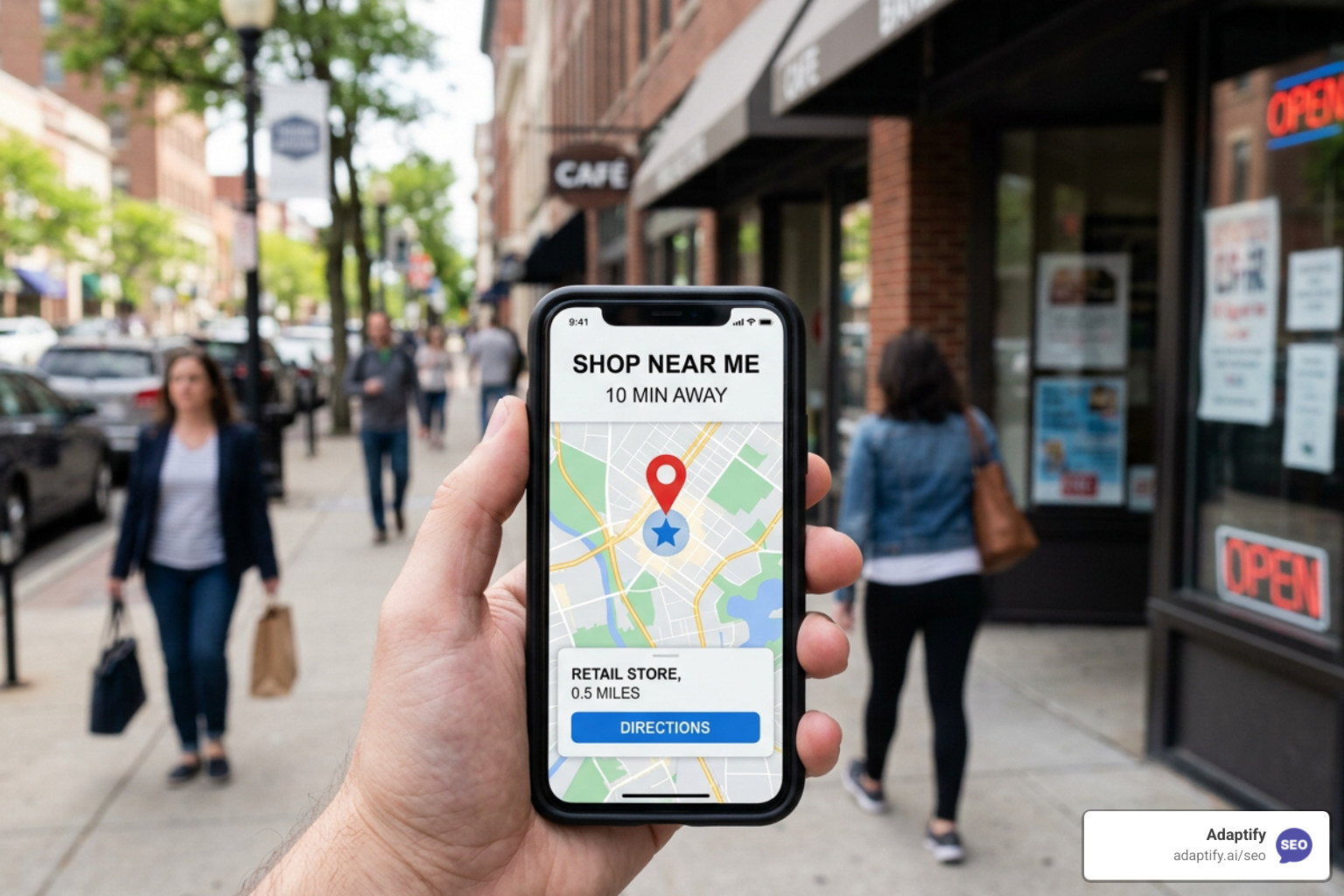
Master local retail SEO to drive foot traffic from Google with proven strategies for GBP, reviews, and AI search optimization.
Join 1,000+ agencies already delivering SEO and AI visibility from a single platform without increasing their headcount.Join 1,000+ agencies already delivering SEO and AI visibility from a single platform without increasing their headcount.