How to Set Up Automated SEO Monitoring for Success


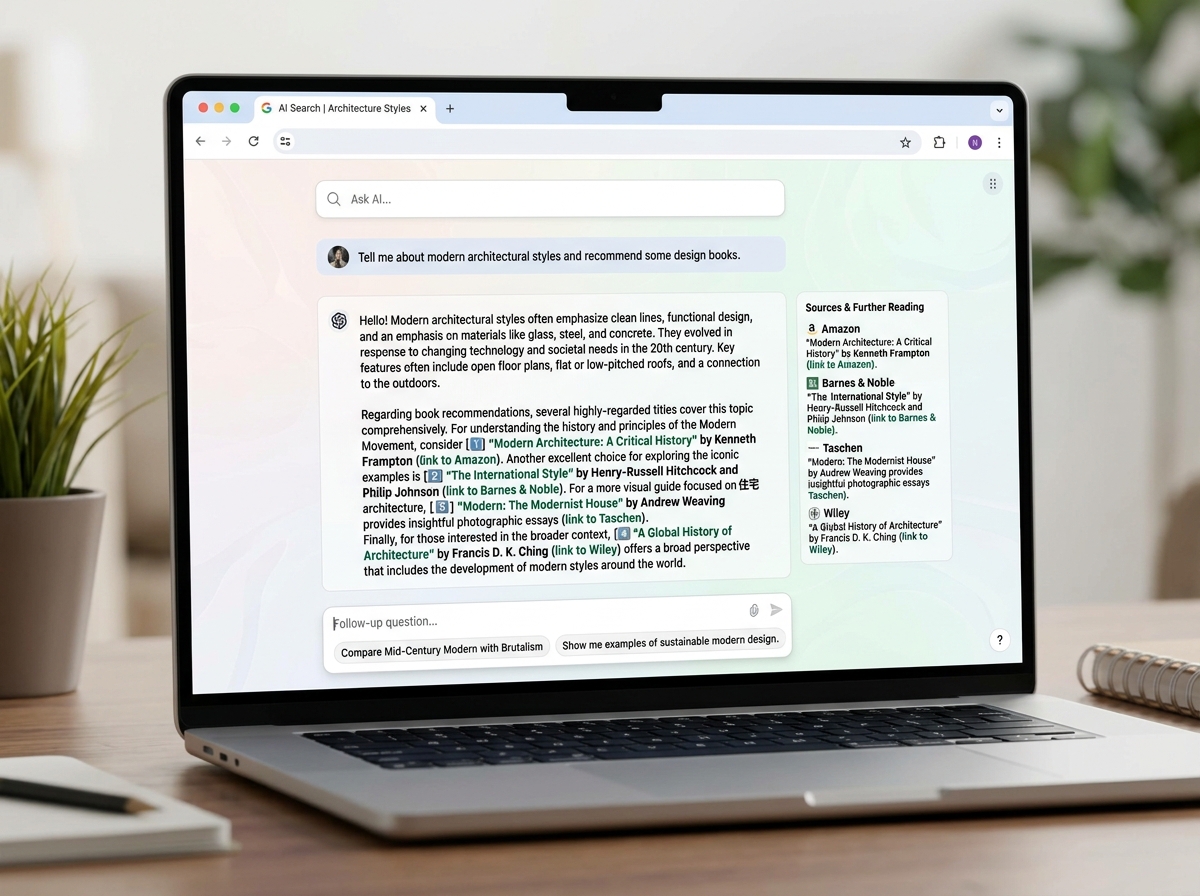
If you feel like the ground is shifting under your feet every time Google announces a core update, you aren't alone. In 2026, the search landscape isn't just a list of ten blue links anymore; it is a fragmented ecosystem of traditional search, AI Overviews (SGE), and LLMs like ChatGPT, Gemini, and Perplexity. The speed at which these engines update their indexes and change their ranking algorithms has reached a point where manual oversight is no longer a viable strategy.
The volatility is relentless. Websites today are updated continuously through CMS automation, developer releases, and AI-assisted content workflows. Without automated seo monitoring, you are essentially flying blind. I've seen cases where a well-meaning developer pushes a "minor" code update that accidentally adds a noindex tag to a site's highest-converting landing pages. If you're checking manually once a week, that's seven days of zero organic revenue. In a competitive niche, those seven days can result in a permanent loss of market share as competitors swoop in to fill the vacuum.
We are now in the era of Generative Engine Optimization (GEO). It isn't enough to rank #1 on a SERP; you need to be the cited source in an AI's response. Research shows that 90% of AI-generated questions eventually turn into search engine queries. This means your monitoring must bridge the gap between "where do I rank on Google?" and "is ChatGPT recommending my brand?" This requires a level of data processing that human teams simply cannot match without the help of sophisticated AI agents. For a broader reference point on how search engines discover and evaluate pages, Google's own Search Central documentation is a useful external resource alongside your internal monitoring workflow.
To stay ahead, you need a comprehensive SEO change monitoring and auditing system that acts as a 24/7 watchdog. Modern systems are achieving 99.9% rank accuracy compared to the old industry average of 82.5%, providing the precision needed to make million-dollar decisions. This precision is vital because even a minor fluctuation in Core Web Vitals or a slight change in header structure can trigger a significant drop in AI visibility scores.
| Feature | Manual Monitoring | Automated SEO Monitoring |
|---|---|---|
| Check Frequency | Weekly or Monthly | Real-time or Daily |
| Data Accuracy | High risk of human error | 99.9% Precision |
| AI Search Tracking | Impossible to do at scale | Tracks mentions in LLMs (ChatGPT, etc.) |
| Technical Audits | 15+ hours per week | Automated 24/7 scanning |
| Competitor Alerts | Reactive (after they win) | Proactive (instant notification) |
The "magic" behind these systems is actually a sophisticated, multi-layered intelligence cycle. It starts with site crawls. Modern monitors don't just look at your HTML; they render the page just like a browser (and Googlebot) would. This is crucial because it helps detect "rendered vs. fetched" discrepancies-issues that only appear after JavaScript executes. For modern frameworks like React or Next.js, this is the only way to ensure your content is actually visible to search engines.
Next is performance tracking. The system monitors your Core Web Vitals, uptime (often with 1-minute checks), and keyword positions across 190,000+ locations down to the zip-code level. This hyper-local data is essential for businesses that rely on local search intent, as rankings can vary significantly from one neighborhood to the next.
Finally, we have the newest layer: AI visibility checks. The tool simulates user interactions with LLMs to measure your "Share of Voice" in AI responses. It looks for brand mentions, citations, and the sentiment of the AI's recommendation. This data is then funneled into a central dashboard, providing real-time updates so you can pivot your strategy before the day is over. By the time a manual audit would have caught a trend, an automated system has already alerted you and suggested a course of action.
The biggest headache for any SEO lead is the fragmented stack. Most enterprises have data sitting in silos—marketing has the CMS, devs have the GitHub repo, and the SEO team is stuck in a spreadsheet. Automated seo monitoring acts as the glue, integrating with your existing workflows to provide a "single source of truth." When everyone is looking at the same real-time data, the friction between departments vanishes, and execution speed increases exponentially.

One of the most significant wins is the reduction in manual labor. On average, SEO teams using automation turn a 20-hour manual process into a 2-hour data-driven decision-making session. This frees up your brainpower for high-level strategy rather than hunting for broken links or checking for missing meta descriptions. In the market of 2026, the ability to reallocate human talent to creative and strategic tasks is a major competitive advantage.
Automation also enforces quality gates and brand compliance. For large organizations with hundreds of stakeholders, it’s easy for regional variants of a site to drift away from brand standards or accessibility requirements. Automated tools provide defensible audit trails, showing exactly who changed what and when. This is particularly important for regulated industries where compliance is not just a marketing preference but a legal requirement.
For agencies, this is about content services that scale. Instead of manually checking if a client's new blog post is indexed or if the schema is correct, the system does it for you. This allows you to scale from 30 to 80+ client sites without needing to double your headcount. It solves the "real-time detection" problem—if a client’s site goes down or a competitor launches a massive backlink campaign, you know within minutes, not weeks. This proactive approach transforms the agency-client relationship from one of reactive troubleshooting to one of strategic growth partnership.
Choosing the right tool depends entirely on your specific needs, but in 2026, a few names stand out for their automation prowess.

For agencies looking to maintain a premium feel, white-label services are a non-negotiable. You want a tool that allows you to send automated, branded reports that prove ROI to your clients without you having to touch a single Chart.js file. When looking at SEO pricing, don't just look at the monthly cost—calculate the hours of manual labor saved. A $500/month tool that saves 40 hours of a specialist's time is actually a massive profit generator, allowing your team to focus on high-value consulting.
When I evaluate a tool for a client, I look at three things: Scalability, Integration, and Workflow.
We are moving beyond simple "trackers" toward Agentic AI. These aren't just tools that tell you something is broken; they are agents that can autonomously execute fixes. This represents a paradigm shift from passive observation to active management.
Imagine an AI agent that detects a ranking drop, analyzes the competitor who took your spot, identifies the content gap, and drafts a revision for your approval—all while you’re asleep. Early data shows that sites using AI SEO agents see a 68% average ranking improvement within 60 days. These agents also handle backlink services by identifying 50-200 high-quality link opportunities per month and managing the initial outreach. This shift from "monitoring" to "autonomous execution" is the biggest trend to watch as we head deeper into 2026, as it allows brands to respond to market changes at the speed of AI.
SEO monitoring is a subset of automation. Monitoring is the "eyes"—it tracks data, scans for technical errors, and alerts you to changes in rankings or site health. SEO automation is the "brain and hands"—it includes the monitoring, but also the automated creation of content, technical fixes, schema generation, and complex reporting. Monitoring tells you there is a problem; automation helps you solve it.
Yes! Modern tools simulate user prompts in LLMs to see if your brand is mentioned or cited. They provide a "Share of Voice" or "AI Visibility Score" to help you understand your performance in generative search. This is critical because AI engines often pull from different sources than traditional Google search results, requiring a specialized tracking approach.
It improves ROI in two primary ways: Cost Reduction (reducing manual hours by up to 90%) and Revenue Protection (detecting technical issues or ranking drops instantly so they can be fixed before they impact the bottom line). One agency reported doubling their monthly recurring revenue (MRR) simply by using automation to handle the "grunt work," allowing them to take on more clients with the same team size while maintaining higher service quality.
While the underlying technology is complex, most modern platforms are designed for ease of use. Setup typically involves connecting your domain, integrating your Google Search Console, and selecting the keywords or competitors you want to track. For enterprise-level setups, API integrations can further streamline the process by pulling data directly into your existing business intelligence tools.
The days of manual SEO are officially over. When AI search engines process billions of signals in milliseconds, trying to keep up with a spreadsheet is like bringing a toothpick to a rocket launch. The complexity of the 2026 search landscape demands a more sophisticated, automated approach to stay competitive.
By setting up automated seo monitoring, you unify your data, break down team silos, and create a proactive defense for your rankings. Whether you are a solo consultant or a global enterprise, the goal is the same: move from "finding problems" to "scaling solutions." This transition allows you to focus on the creative and strategic aspects of marketing that truly drive growth.
At Adaptify SEO, we specialize in this transition. We provide the tools and agentic AI needed to turn complex SEO workflows into streamlined, automated engines of growth. If you're ready to stop doing robot work and start seeing real ROI proof, it's time to start your automated SEO journey.

Stop being invisible: discover what the best local SEO strategies for small businesses are to dominate Google Maps, reviews, and AI search...
Master localized SEO to rank your local business in Google Maps and drive more in-store visits.
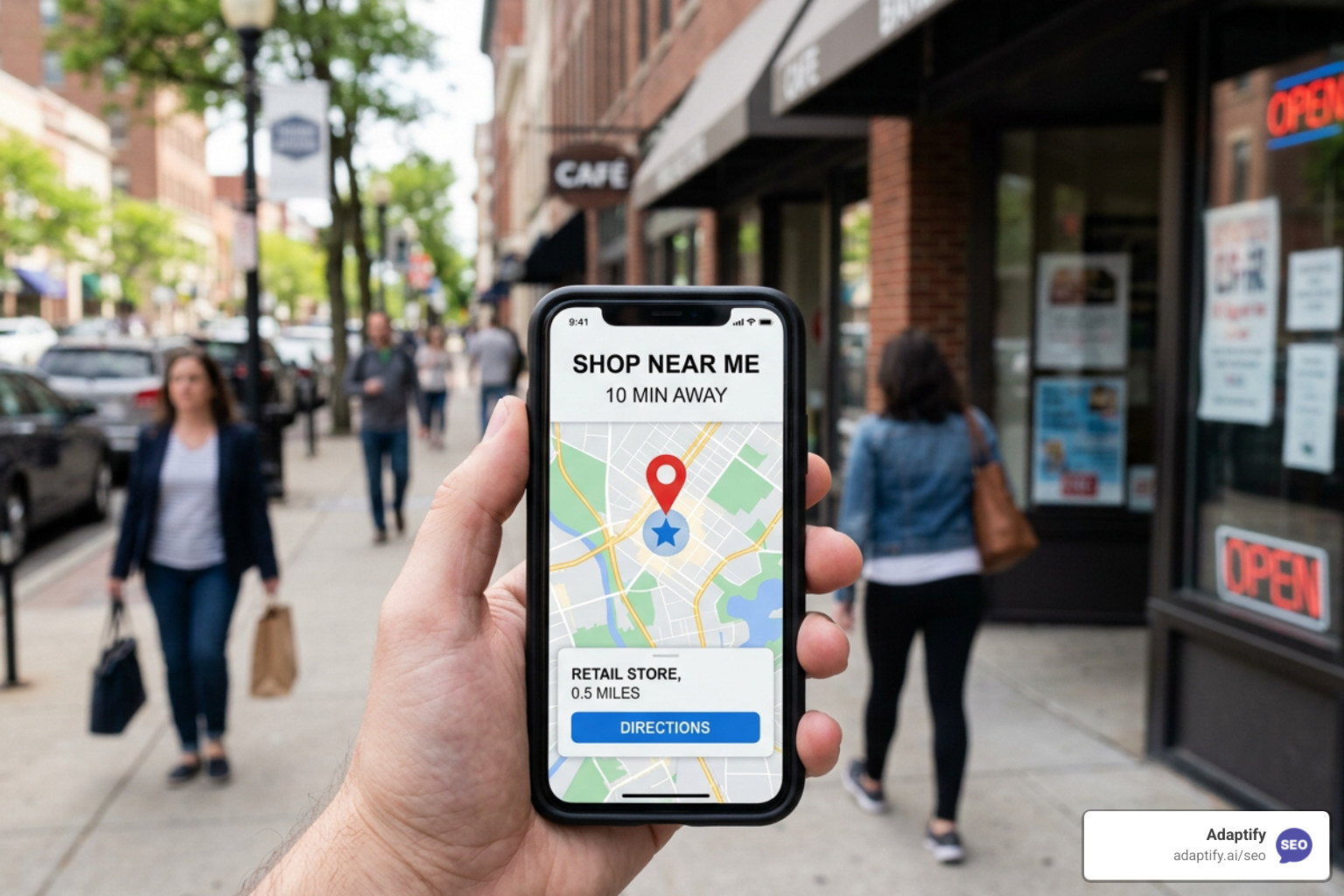
Master local retail SEO to drive foot traffic from Google with proven strategies for GBP, reviews, and AI search optimization.
Join 1,000+ agencies already delivering SEO and AI visibility from a single platform without increasing their headcount.Join 1,000+ agencies already delivering SEO and AI visibility from a single platform without increasing their headcount.