Professional Tools for GEO: Why Manual Tracking is a Losing Game

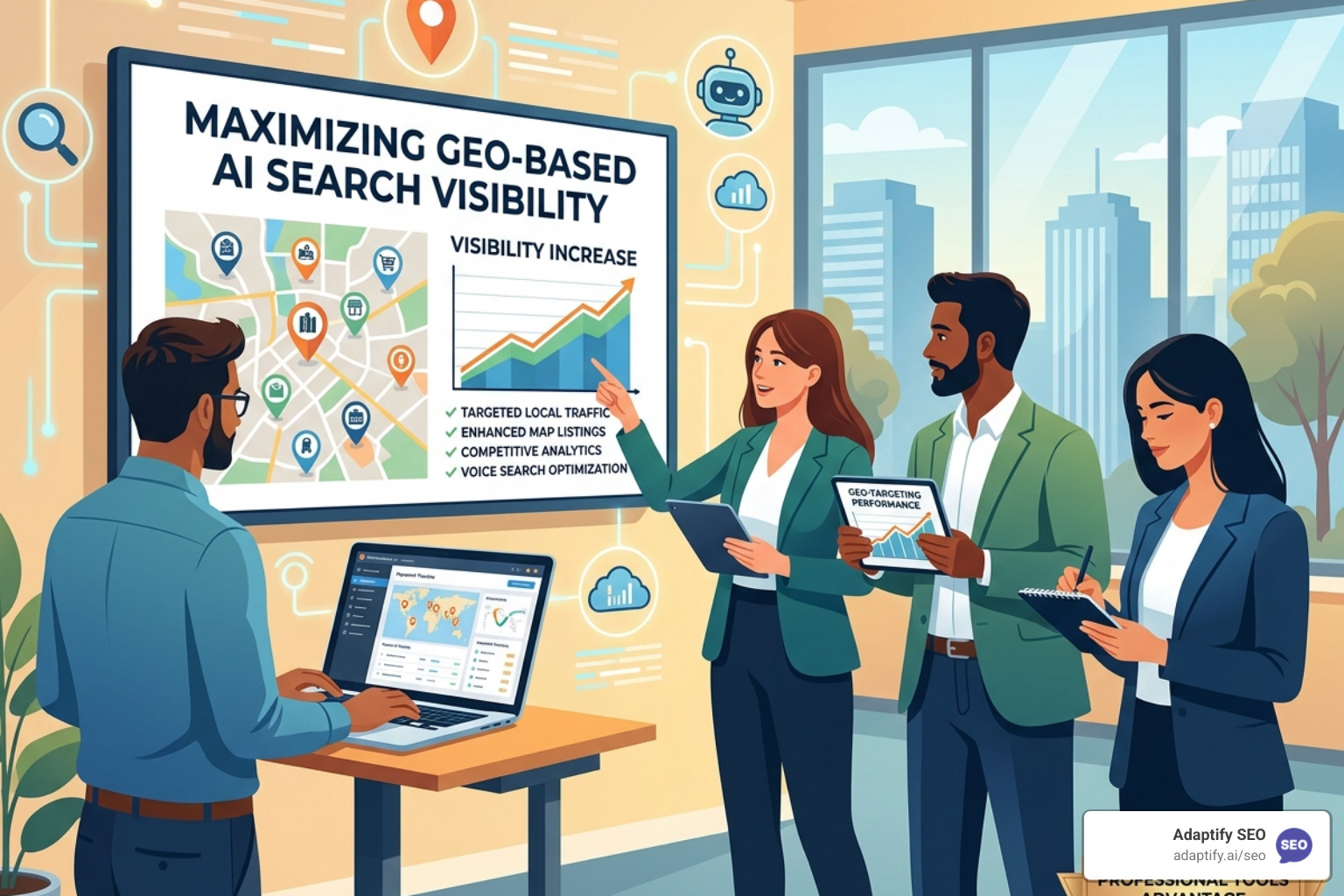

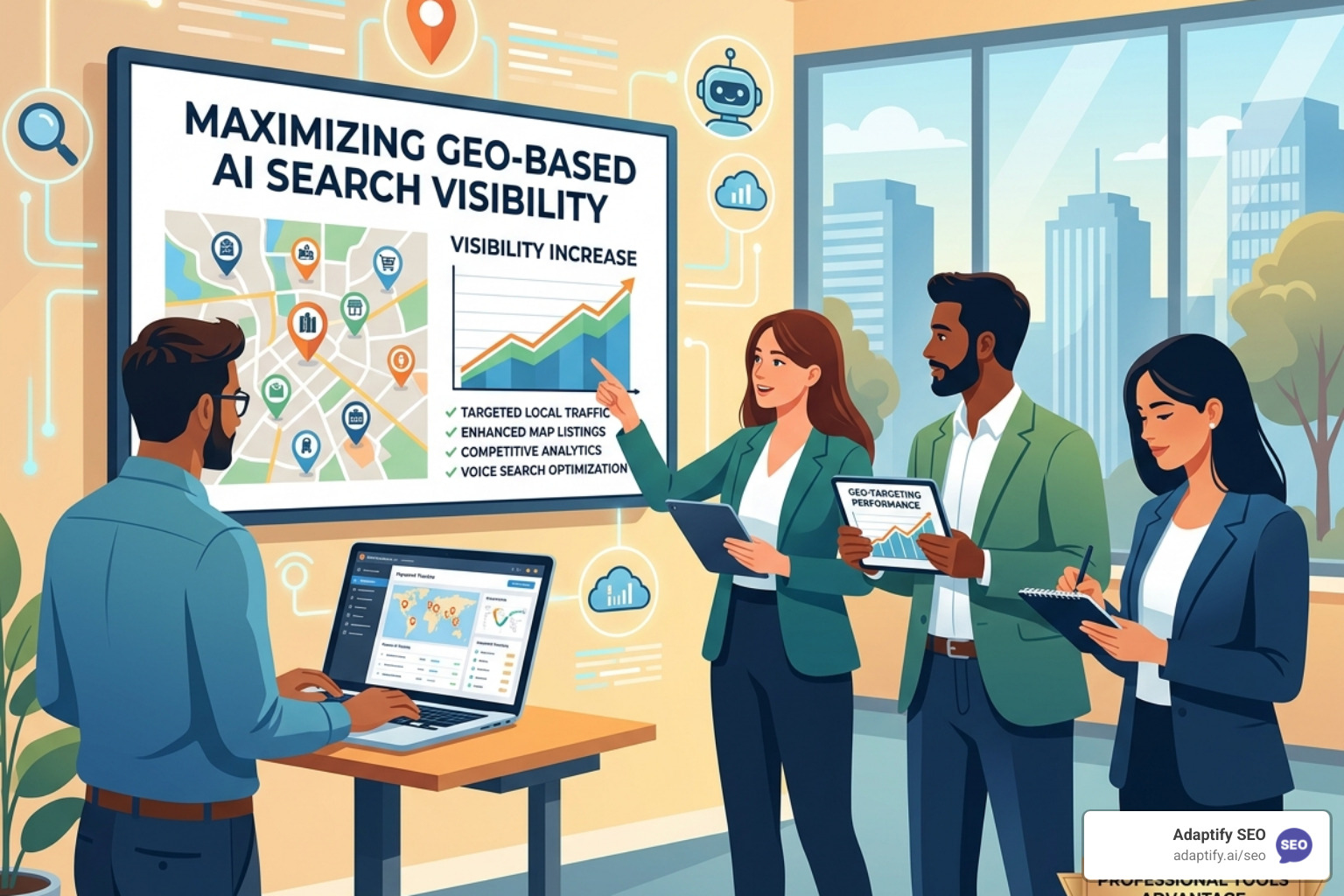
In 2026, the digital landscape has moved beyond the "blue link" era. When I look at how LLMs (Large Language Models) like ChatGPT, Perplexity, and Google AI Overviews behave, it’s clear that the old rules of ranking #1 are being replaced by the necessity of being cited. The benefits of professional tools for geo-based ai search visibility start with understanding that AI search is probabilistic, not deterministic.
Traditional SEO was like a library catalog; you wanted your book on the front display. GEO is more like a conversation at a dinner party. If someone asks for a recommendation, the AI (the host) synthesizes information from multiple sources to give a single, coherent answer. If your brand isn't mentioned in that synthesis, you don't exist in that user's journey.
Professional tools analyze the "semantic vector space"—the mathematical map AI uses to connect ideas. They don't just check if you show up; they perform sentiment analysis to see how you are being discussed. Are you the "affordable option" or the "premium leader"? Manual searching can’t give you that macro-view. As noted in The Rise of GEO in AI Search: Why Location Matters More Than Ever, location context is now the foundation of these AI responses. If a user asks for "the best sustainable coffee in London," the AI isn't just looking for keywords; it's looking for verified entities with local authority.
To stay ahead, businesses are increasingly turning to specialized SEO content services that prioritize machine-readability and factual density over mere keyword stuffing.
Why am I so adamant about this shift? The statistics from early 2026 are staggering. Research shows that 84% of decision-makers are now making purchasing decisions based on the AI's first suggestion. If you aren't that suggestion, you've lost the lead before they even hit your website.
Furthermore, while traditional search volume has seen a decline, the quality of AI-driven traffic is significantly higher. AI-referred traffic converts at 4.4x the rate of traditional search traffic. This is because the AI has already "pre-qualified" the user by answering their preliminary questions. By the time they click a citation link to your site, they are ready to buy.
Executives are taking note: nearly half of all business leaders believe AI will completely replace Google for business research by 2030. This makes building brand authority and securing high-quality backlinks more important than ever, as these serve as the "trust signals" that AI engines use to decide which sources are credible enough to cite.
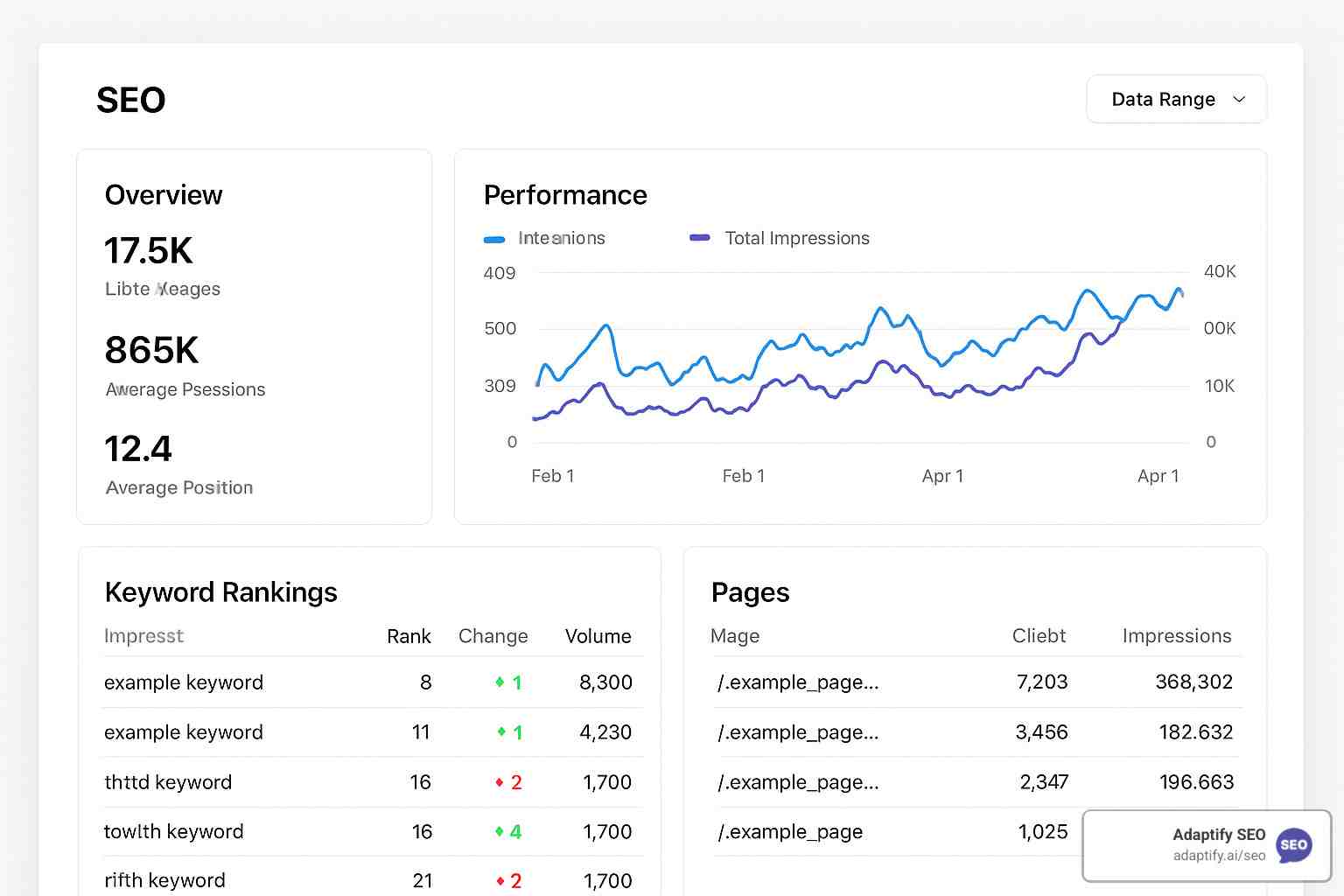
When you move from manual "poking around" in ChatGPT to using a professional platform, the first thing you notice is the depth of data. One of the primary benefits of professional tools for geo-based ai search visibility is the ability to track "citation velocity"—the rate at which your brand is being picked up by different models over time.
Professional tools provide:
As highlighted in the GEO Tools Guide 2026: GEO Optimization for Local Visibility, these platforms act as a "readiness audit" for your site, identifying technical blockers that prevent AI crawlers from parsing your data. For agencies, this level of automation is essential for white-label SEO reporting, allowing them to show sophisticated AI visibility metrics without spending forty hours a week on manual research.
How do you know if you're winning? You look at Share of Voice (SoV). In the AI era, SoV isn't about how many keywords you rank for; it's about what percentage of AI responses for a specific topic include your brand.
Professional tools allow for "persona sampling." This means the tool can simulate a search from a "35-year-old CTO in New York" versus a "small business owner in Austin." Because AI answers are personalized, your visibility might look great to one person and non-existent to another. Manual tracking can't account for these variables. By using specialized GEO integration tools, I can monitor sentiment shifts in real-time. If an AI starts associating a client's brand with "high costs" instead of "high value," we can adjust our content strategy immediately to course-correct the LLM's "opinion."
This is where it gets exciting. Professional tools offer "co-citation analysis." If the AI says, "The top three CRM tools are Salesforce, HubSpot, and [Your Client]," that is a co-citation.
By analyzing who else is being cited alongside you, you can identify partnership targets and niche dominance gaps. If a competitor is consistently cited for "best customer support," you can look at the sources the AI is using to make that claim—often Reddit threads or LinkedIn articles—and build a PR strategy to intercept those signals. As explored in Boost Visibility in 2026 Leveraging the Best GEO tools, this competitive intelligence allows you to replicate the tactics of top-cited sites, whether that's through specific schema implementations or strategic earned media.
The gap between manual effort and professional software is most visible in the implementation phase. Manual GEO is a guessing game; professional GEO is an engineering task.
| Feature | Manual Tracking | Professional GEO Software |
|---|---|---|
| Prompt Volume | 5-10 per week | 500+ daily |
| Engine Coverage | Usually just ChatGPT | Multi-engine (Claude, Gemini, Perplexity, etc.) |
| Schema Validation | Manual check per page | Automated site-wide audit & JSON-LD generation |
| Reporting | Screenshots in a doc | Live dashboards & API integrations |
| Historical Data | None | Trend analysis and citation velocity tracking |
Professional tools automate the creation of machine-readable formats. This includes generating llms.txt files (a new standard in 2026 for guiding AI crawlers) and complex robots.txt directives that ensure your best content is prioritized by GPTBot and other crawlers. This level of technical precision is a core requirement for generating accurate SEO proposals that actually reflect the complexity of the modern search environment.
The content that wins in 2026 isn't just "good"—it's structured for extraction. Professional tools perform audits to ensure you are using an Answer-First structure. This means the direct answer to a user's likely prompt is in the first 50 words of a section.
Key optimization factors tracked by these tools include:
Agencies can use these insights to justify premium SEO pricing, as the level of expertise required to optimize for neural networks is significantly higher than traditional keyword optimization.
How do you measure the ROI of GEO? It’s not about clicks anymore; it’s about attribution. Professional tools allow us to see the "Assisted Conversion" value of an AI mention. Even if the user doesn't click the link in the AI Overview, they might see your brand name, trust it, and then perform a direct branded search on Google later.
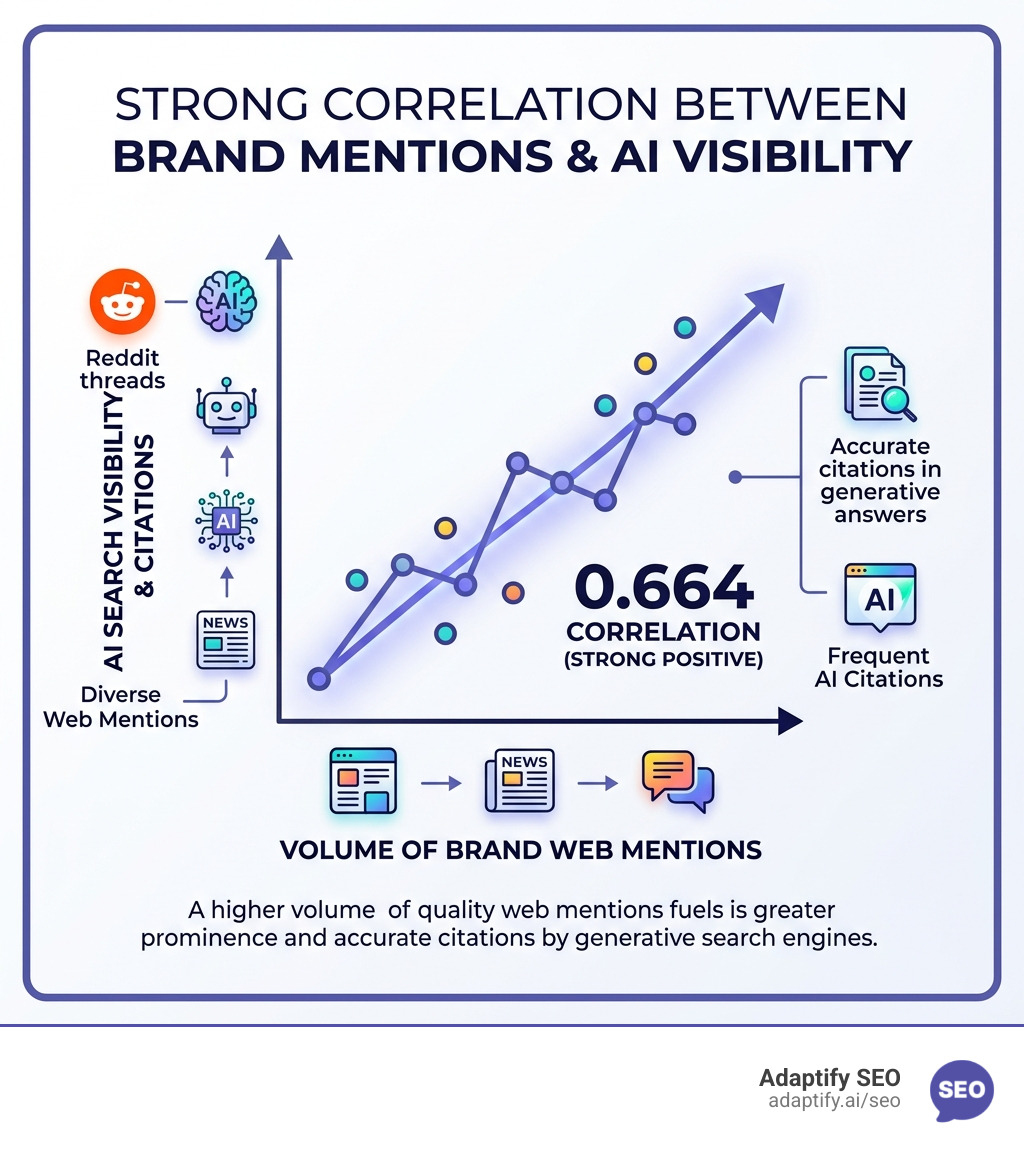
By 2027, we expect predictive search to become the norm. AI will suggest products before the user even finishes their prompt. To stay visible, you need to monitor "off-site signals." Professional tools now scrape Reddit, LinkedIn, and niche forums because these are the primary data sources for LLMs. If your brand has a strong "Quotation Share" on Reddit, your visibility in Perplexity will skyrocket.
SEO (Search Engine Optimization) focuses on ranking a URL in a list of results. GEO (Generative Engine Optimization) focuses on getting your brand's information cited within an AI-generated answer. SEO targets algorithms; GEO targets neural networks. While SEO cares about backlinks and keywords, GEO cares about entity authority, factual density, and structured data.
These tools use "headless browsers" to interact with AI interfaces just like a human would. They run thousands of prompts, capture the text output, and use NLP (Natural Language Processing) to identify if your brand was mentioned, if a link was provided, and what the overall sentiment of the response was.
Absolutely. In fact, AI search is a "great equalizer." Because AI engines prioritize niche authority and specific, factual answers, a local expert with highly structured, data-rich content can often out-cite a national brand that relies on generic, high-volume content. Professional tools help small businesses find these "citation gaps" where national competitors are weak.
The era of manual search tracking is over. When AI responses are personalized, probabilistic, and updated in real-time, relying on a few manual ChatGPT prompts is like trying to map the ocean with a magnifying glass.
The benefits of professional tools for geo-based ai search visibility lie in their ability to turn the "black box" of AI into a transparent, manageable marketing channel. For agencies, this isn't just about saving time; it's about survival. You cannot optimize what you cannot measure, and you cannot measure AI visibility without automation.
At Adaptify.ai, we specialize in helping agencies navigate this shift. By automating the SEO process—from strategic PR link building to AI-optimized content creation—we allow you to focus on high-level strategy while our tools handle the heavy lifting of machine-readability and citation tracking. The 2026 competitive edge belongs to those who embrace the machine to beat the machine.
Get started with Adaptify SEO today and stop playing a losing game with manual tracking.

Stop being invisible: discover what the best local SEO strategies for small businesses are to dominate Google Maps, reviews, and AI search...
Master localized SEO to rank your local business in Google Maps and drive more in-store visits.
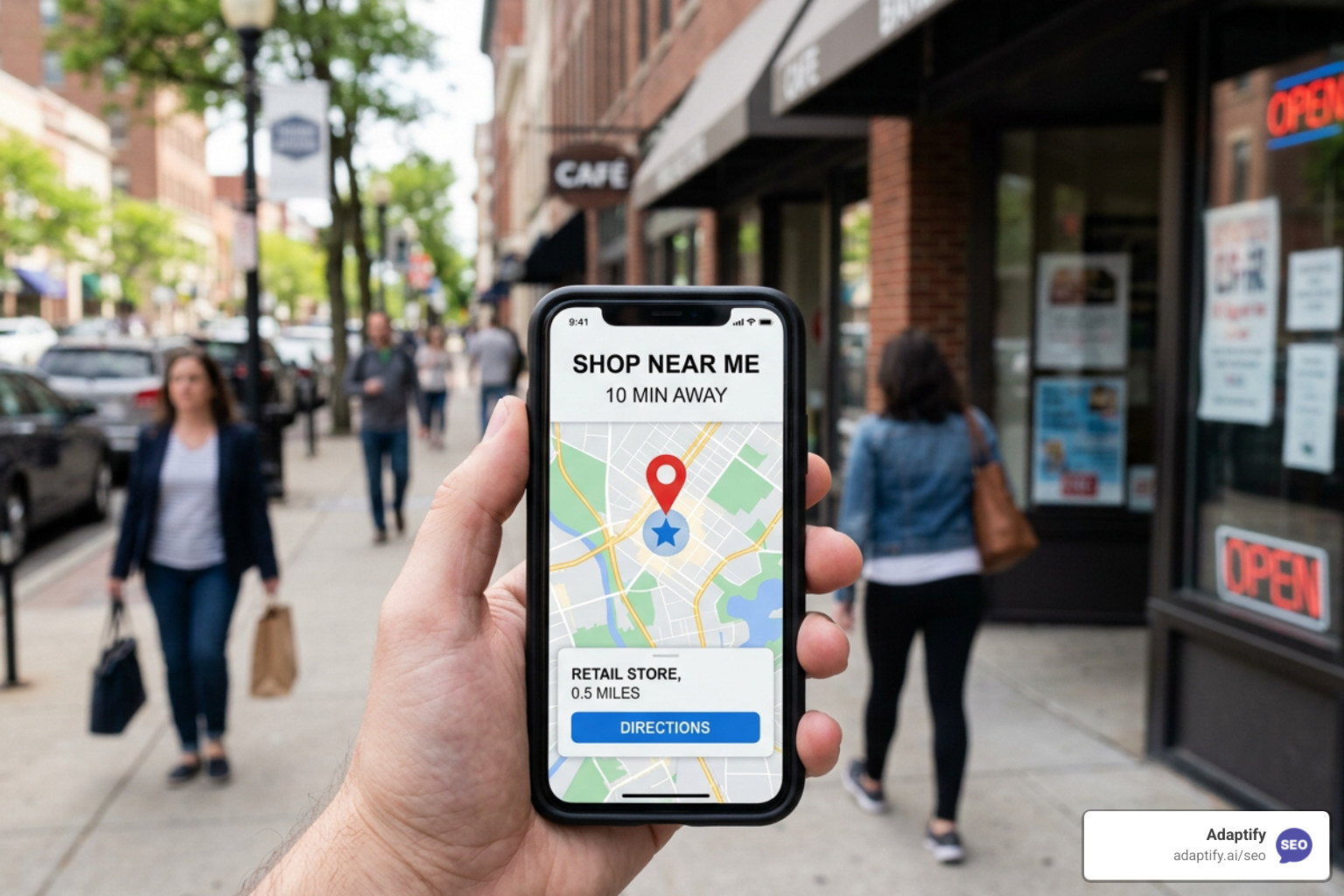
Master local retail SEO to drive foot traffic from Google with proven strategies for GBP, reviews, and AI search optimization.
Join 1,000+ agencies already delivering SEO and AI visibility from a single platform without increasing their headcount.Join 1,000+ agencies already delivering SEO and AI visibility from a single platform without increasing their headcount.